
Lufthansa Cargo opens first phase of €600m Frankfurt hub upgrade
The ALPHA phase adds automated warehouses and smart cargo systems as Lufthansa Cargo advances its plan to create Europe’s most modern hub by 2030.
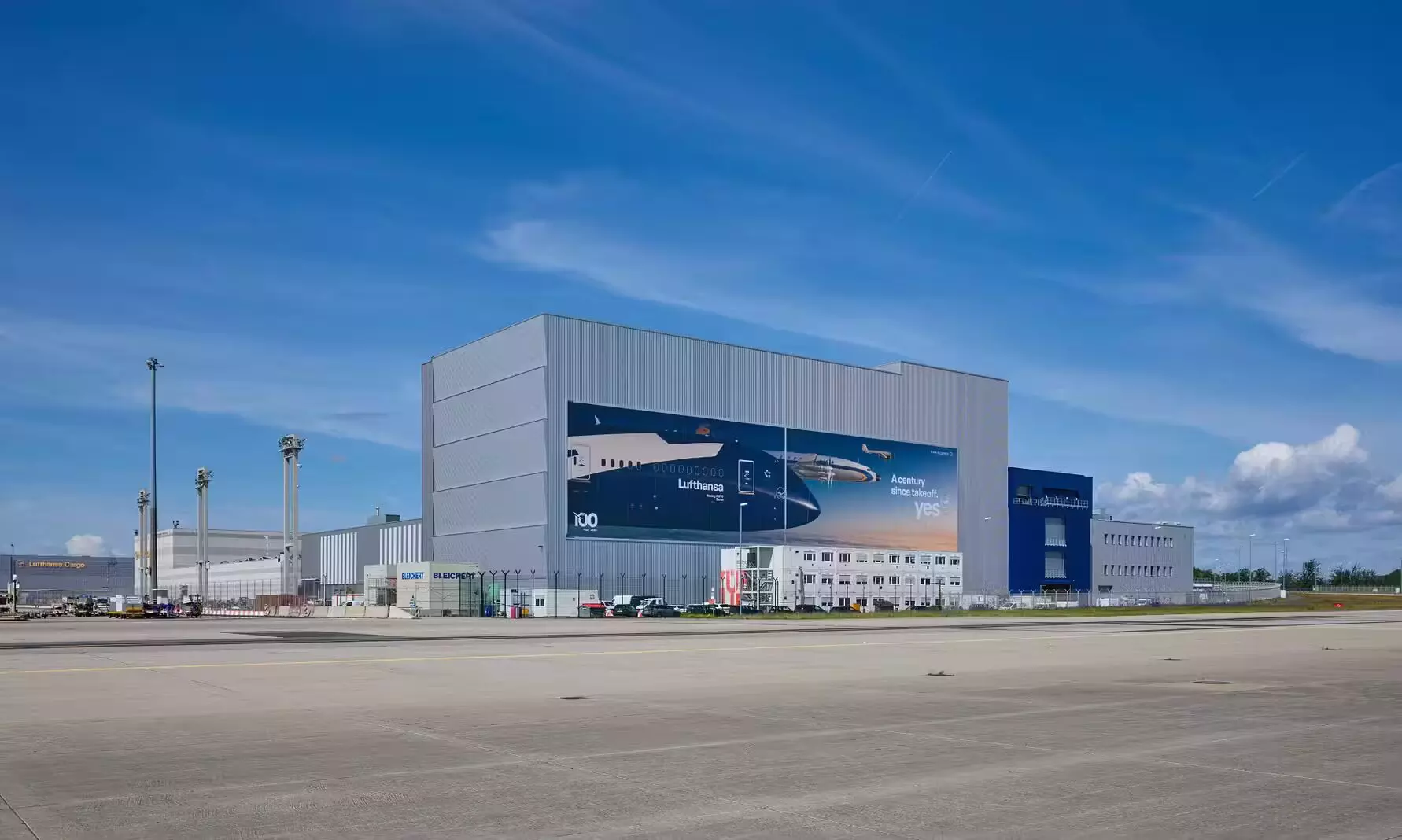
Lufthansa Cargo has started operations at the first and most important phase of its LCCevo infrastructure project at Frankfurt Airport, marking a major step in its plan to build Europe’s most modern air cargo hub by 2030. Backed by an investment of around €600 million, the project will introduce automated processes, smarter cargo handling and modern warehouse facilities to improve speed, efficiency and service quality.
The completion of the ALPHA phase was celebrated by Lufthansa Cargo together with guests from politics, business and the aviation industry. The project covers around 80,000 square metres, roughly the size of 11 football pitches, and involves the modernisation of the company’s entire Frankfurt cargo hub while maintaining 24/7 operations.
The new infrastructure includes intelligent material flow and conveyor systems that connect different handling processes and help cargo move more efficiently through the facility. It also features a fully automated high-bay warehouse, 42 metres high, with nearly 3,000 storage positions for large cargo pallets. In addition, a new automated pallet warehouse has been built for temperature-sensitive and specialised shipments. The high-bay warehouse can carry out more than 300 storage and retrieval operations per hour, doubling capacity.
“With the launch of phase ALPHA, a vision is becoming a reality,” said Ashwin Bhat, Chief Executive Officer, Lufthansa Cargo. “LCCevo is one of the most significant investments in our company's history and a clear commitment to Frankfurt as an air cargo hub.”
Bhat said Lufthansa Cargo handles nearly every second metric tonne of air cargo at Frankfurt Airport and is investing in the hub to support its long-term growth. He added that intelligent cargo flows, modern infrastructure and automated processes will help the company meet the needs of global markets while strengthening competitiveness and creating a foundation for future growth.
Michael Niggemann, Member of the Executive Board of Deutsche Lufthansa AG, said the €600 million investment supports both Lufthansa Cargo’s position in the air freight market and the long-term success of the Lufthansa Group.
“We are investing in both modern cargo infrastructure and the largest fleet modernisation programme in our history,” Niggemann said. “With this investment, we are strengthening Frankfurt as one of our most important international hubs and investing in its long-term performance.”
Kaweh Mansoori, Hessian Minister for Economic Affairs and Transport and Deputy Minister-President, said Frankfurt Airport’s leading role in European air cargo logistics is closely linked to Lufthansa Cargo. He said investments such as LCCevo strengthen the airport’s competitiveness, improve operational processes and support future growth.
Stefan Schnorr, State Secretary at the Federal Ministry of Transport, said air freight is vital for many industries in Germany, including pharmaceuticals, mechanical engineering and semiconductors. He said the federal government welcomes Lufthansa Group’s commitment to Germany as an air cargo hub and its investment in the future of the Frankfurt hub.
The milestone comes as the Lufthansa Group marks its 100th anniversary in 2026. Lufthansa Cargo said the LCCevo project will help lay the foundation for the company's future growth and operations in the decades ahead.
Lufthansa Cargo said the next construction phases, BRAVO and CHARLIE, will follow in the coming years as work continues on the transformation of the Lufthansa Cargo Center.
Sustainability will also be a key part of the project. The company plans to install photovoltaic systems on around 19,000 square metres of roof space. Modern building technology, heat recovery systems and green roofs will also help reduce energy consumption and emissions.
The company said the project will transform the Lufthansa Cargo Center into Europe’s most modern air cargo hub by 2030.