


How Hactl is connecting fashion with global air cargo
In an exclusive interview, Frosti Lau, Chief Executive of Hactl, discusses partnership with HKTDC Hong Kong Designers Showroom in Paris, alongside AI, sustainability and Hong Kong's future as a leading global air cargo hub.
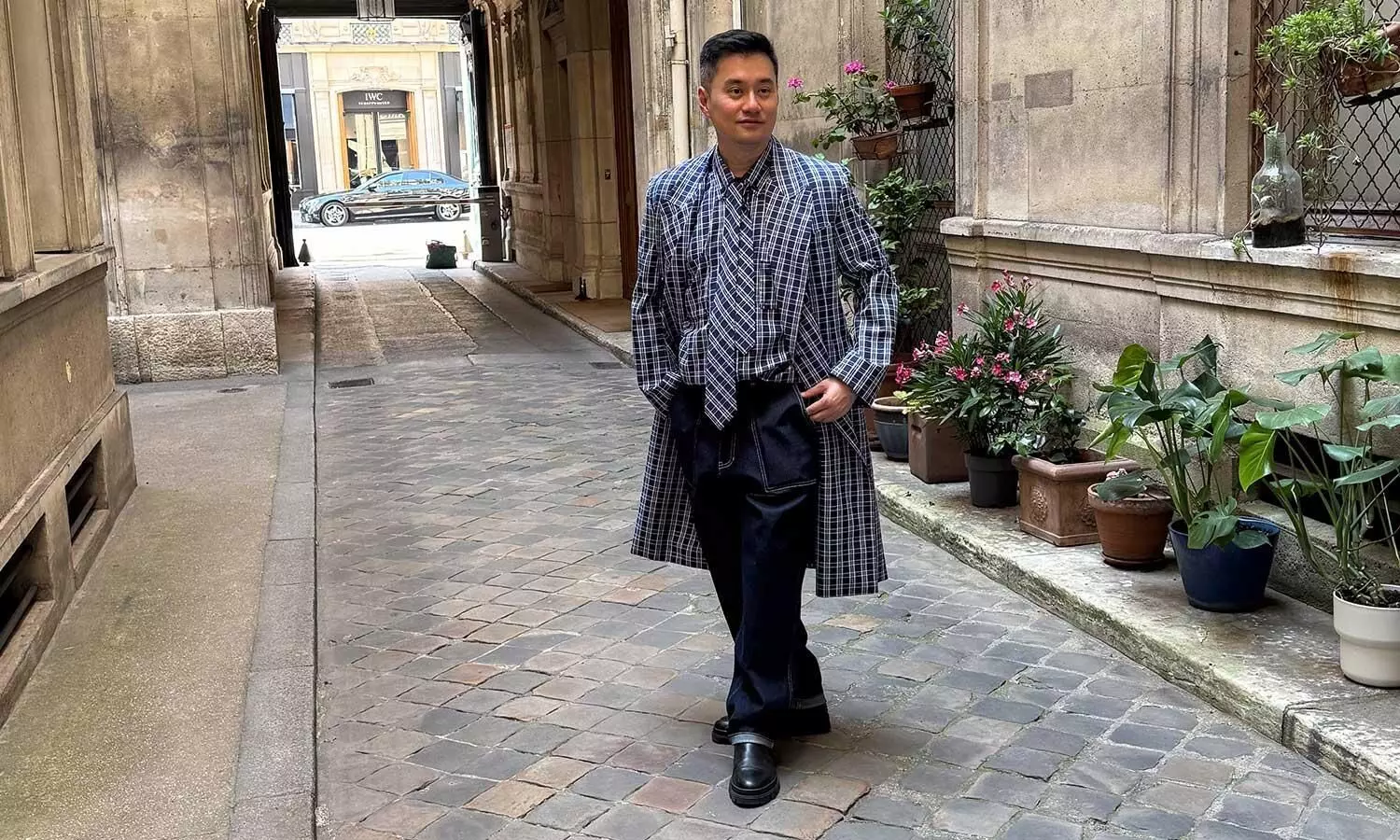
Frosti Lau, Chief Executive, Hactl
Hong Kong Air Cargo Terminals Limited (Hactl), Hong Kong's largest independent cargo handler, made its debut as the first air cargo terminal to serve as a strategic partner of the Hong Kong Trade Development Council (HKTDC) for the Hong Kong Designers Showroom at Paris Fashion Week Men's Spring/Summer 2027. The collaboration highlighted how air cargo logistics underpins the global fashion industry while promoting sustainability and Hong Kong's creative talent. In this exclusive interview, Frosti Lau, Chief Executive of Hactl, discusses the significance of this partnership, the future of air cargo, digital transformation, sustainability, and Hong Kong's evolving role as a leading global logistics hub.
Hactl is making its debut as a strategic partner of HKTDC at Paris Fashion Week. What does this collaboration mean for Hactl?
Our involvement in Paris Fashion Week is an exciting new collaboration for Hactl. This year, we teamed up with the Hong Kong Trade Development Council (HKTDC) as a strategic partner for the cross-sector Hong Kong Designers Showroom at Paris Fashion Week Men's.
The air cargo industry and the fashion industry are closely interconnected. Fashion and garments are among the key commodities transported by air cargo, enabling designers and brands to move collections quickly, respond to changing demand and meet fast-moving market trends. With the growing influence of digital platforms, KOLs (Key Opinion Leaders) and livestreaming, speed and flexibility have become even more important for fashion supply chains.
Hactl is proud to be the first air cargo terminal in Hong Kong to serve as a strategic partner of HKTDC at Paris Fashion Week. Through this collaboration, we want to highlight the important role that air cargo and logistics play in supporting global connectivity and the international fashion ecosystem by enabling the fast and reliable movement of high-value fashion goods, from luxury collections to fashion e-commerce, across global markets.
Collections at Hong Kong Designers Showroom at Paris Fashion Week Men's Spring/Summer 2027
Sustainability is another important dimension of this collaboration. The showroom features the work of Hong Kong designer Sing Lo, who designed Hactl's uniforms using eco-friendly materials. It also showcases ready-to-wear pieces created from Hactl's uniforms, alongside fashion pieces and souvenirs upcycled from retired uniforms, demonstrating how materials can be given a second life through creative reuse.
By bringing together fashion, logistics and circular design at Paris Fashion Week, we hope to show how different industries can work together to promote circularity, reduce waste and maintain global connectivity. At the same time, this collaboration helps inject fresh momentum into Hong Kong's fashion industry by giving local designers an opportunity to showcase their creativity on an international stage.
Hong Kong, being a free port, is also able to consolidate cargo from the rest of Southeast Asia and across Asia, strengthening its role as an international logistics gateway.
Beyond Fashion Hong Kong, Hactl's broader role is to facilitate global trade by ensuring the efficient, reliable and secure movement of goods between markets. We actively participate in international industry events to showcase Hong Kong's strengths as a global logistics hub. Most recently, we also participated in the Global Event Logistics Summit (GELS) in Bangkok, where we highlighted Hong Kong's growing role in event logistics, exhibitions, conventions and international business events.
Sustainability has become a key focus for Hactl. How are you bringing together sustainability, fashion and logistics?
Fashion today is increasingly focused on how materials are sourced, used and eventually given a second life.
A good example is our Zero Waste Uniform Upcycling Project. When we introduced new staff uniforms, we looked beyond simply replacing them and asked how we could avoid sending thousands of garments to landfill. Instead, we explored ways to give those materials a second life.
The initiative started by upcycling unused uniforms into bags and teddy bears in partnership with a local fashion designer and social enterprises, creating both environmental and social value. We later expanded the project by transforming retired uniforms into 5,000 reusable cups, which themselves can be recycled into new products in the future. It demonstrates how materials that would normally be considered waste can remain in circulation through creative reuse.
With more than 25 years of leadership experience across aviation and air cargo, how do you assess the current air cargo market? Looking ahead over the next three to five years, what trends do you believe will have the greatest impact on cargo volumes, trade flows and the competitive landscape for global air cargo hubs such as Hong Kong?
I believe the market has been so dynamic right now, so no one can tell you exactly what's going to happen over the next three to five years. In fact, what I say today could be very different from how I answer the same question six months from now, because global events and the overall geopolitical situation can change potential outcomes in a heartbeat.
Overall, global air cargo demand seems to be pretty resilient, although fluctuations in jet fuel prices can have an immediate impact on the market. As an operator, what's more important for us is to ensure that our infrastructure, our people, our processes and our technology are ready to cope with whatever demand the market brings. More importantly, we need to stay close to the market by talking regularly with shippers and our customers to make sure we understand the trends and their evolving requirements, so that we can fulfil those requirements as quickly as possible whenever disruptions arise.
In terms of trends, it is very clear that e-commerce is here to stay and will continue to be a mainstream part of everything our customers and we are involved in. Through our wholly owned subsidiary, Hacis, we have an on-site e-commerce fulfilment centre that provides one-stop services, enabling fast processing and seamless cargo handling. Being able to anticipate industry challenges while maintaining service efficiency will continue to be critical.
Hactl's Frosti Lau at HKTDC Hong Kong Designers Showroom in Paris
More importantly, the opening of the third runway has created new opportunities for Hong Kong to strengthen its position as a major hub, providing increased take‑off and landing capacity for new airlines. The Three-Runway System means Hong Kong International Airport will be able to handle up to 10 million tonnes of cargo annually and more than 100 flights per hour. That's transformative.
I think one other thing that's very important for Hong Kong is our proximity to the Greater Bay Area. It remains a very significant competitive advantage for us, giving us the critical mass to consolidate cargo from the GBA. More importantly, Hong Kong, being a free port, is also able to consolidate cargo from the rest of Southeast Asia and across Asia, strengthening its role as an international logistics gateway.
Ultimately, we need to remain flexible, stay on top of global developments and work closely with our customers. As we see, it's the people, the processes and the precision that make every operation successful, and nobody knows that better than the people in the logistics and air cargo industry.
Hong Kong remains a leading hub for high-value cargo. How is Hactl adapting to changing cargo flows and evolving customer requirements?
Market demand continues to evolve, and geopolitical developments certainly play a role. At Hactl, our priority is to ensure that we remain future-ready by having the right infrastructure, capabilities and operational processes in place to support whatever new demand or opportunities emerge.
Hactl is proud to be the first air cargo terminal in Hong Kong to serve as a strategic partner of HKTDC at Paris Fashion Week.
I often describe Hactl as a ‘plug-and-play’ partner. We enable airlines to establish operations quickly when they come into Hong Kong, while also listening carefully to their changing requirements. As their needs evolve, we adapt our operations and develop customised solutions to support them. Whether we're handling electronics, semiconductors, specialised dangerous goods or other high-value shipments, our strength lies in combining decades of operational expertise with digital transparency, giving customers confidence that their cargo is handled safely, securely and efficiently.
Which cargo segments do you believe offer the strongest growth opportunities for Hactl?
First of all, I think e-commerce is not going away. It will remain a mainstream part of our business. That's why we continue to develop our wholly owned subsidiary, Hacis, including fulfilment centre capabilities within the terminal itself. Reducing time to market is increasingly important, and we want to ensure we can serve our customers even better.
At the same time, the rapid growth of AI infrastructure and data centres around the world is creating increasing demand for the movement of server racks and other specialised technology equipment. Hactl has more than 50 years of experience handling these types of shipments, and that expertise remains one of our greatest strengths. To me, it's not only about experience. It's also about providing customers with greater transparency through our digital systems, giving them peace of mind and confidence whenever they ship with Hactl.
To watch the full interview, stay tuned and keep following Leaders' Speak.
Rajarshi is an editorial professional with nearly a decade of experience in writing content for print and online publications. He has hosted numerous entrepreneurship events and moderated sessions at various events, including Flower Logistics Africa. He has previously worked with reputable organizations such as YourStory, YouGov, Inc42, and Sportskeeda and has catered to a diverse range of clients, including Google, PhonePe, the Karnataka State Government, and the Rajasthan State Government. In addition to writing, he enjoys watching films, cooking, and exploring offbeat locations in India.


