


Airlink navigates logistical hurdles to deliver vital Venezuela aid
As Venezuela reels from a devastating earthquake, humanitarian logistics NGO Airlink bypasses severe airport closures to fly in critical cargo and 63 responders.
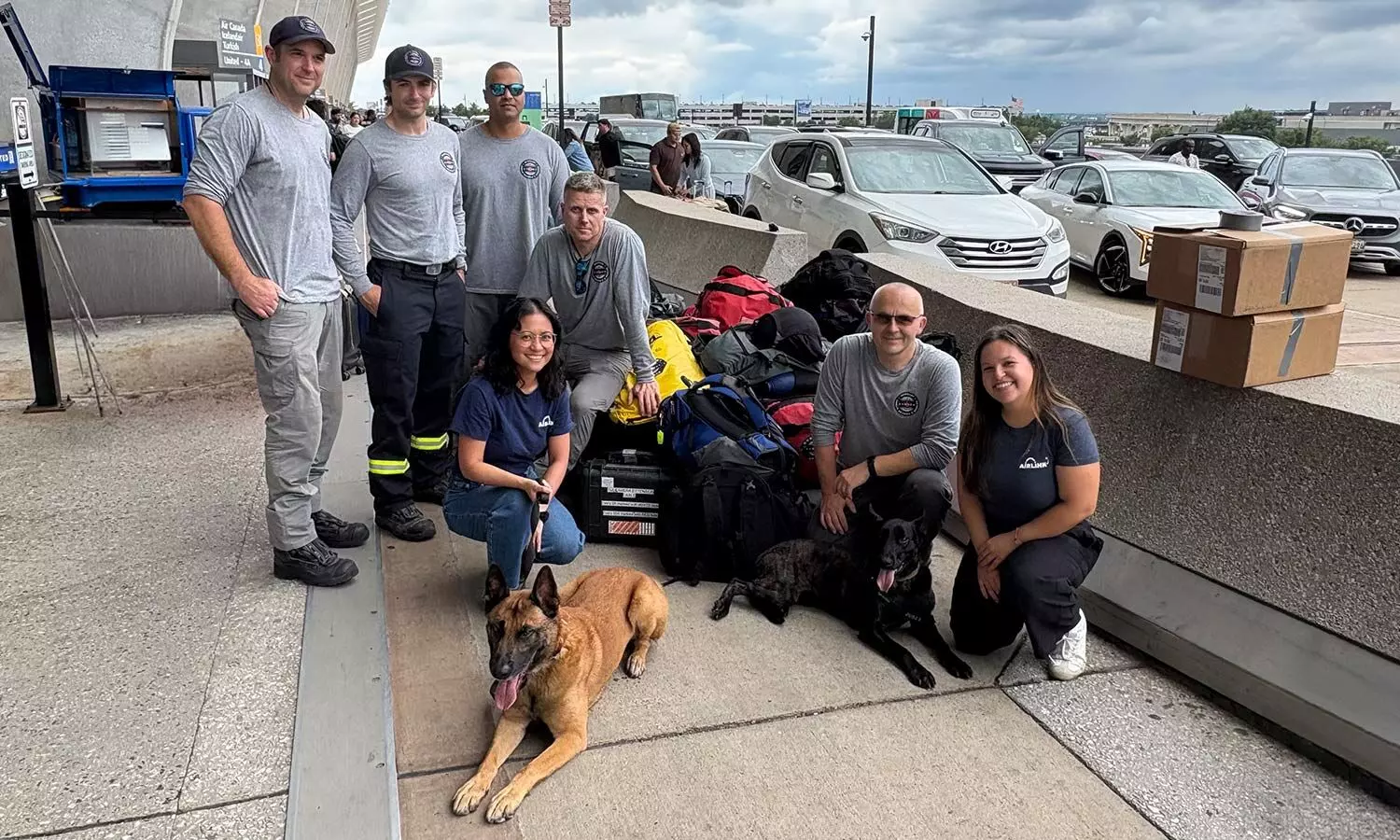
Source: Airlink
The international humanitarian community is racing against time to deliver life-saving assistance to Venezuela following a catastrophic earthquake that has devastated local infrastructure and left thousands displaced. At the forefront of this logistical battle is Airlink, a global humanitarian logistics non-profit organisation that coordinates air transport and logistics for NGOs. Operating under severely constrained conditions, the organisation is currently navigating a web of damaged transport hubs, complex bureaucratic hurdles, and soaring supply chain costs to ensure that vital aid and emergency personnel reach the areas that need them most.
A crippled transport network
The operational environment on the ground in Venezuela remains extremely challenging. According to an Airlink spokesperson, the biggest logistical hurdle is the complete closure of Simón Bolívar International Airport (CCS), Caracas's primary gateway. The airport sustained extensive earthquake damage, paralysing its ability to handle standard commercial and cargo traffic. Commercial flights to the capital are not expected to resume before 14 July at the earliest, forcing logistics teams to find alternative routes.
This closure has triggered massive congestion at Arturo Michelena International Airport in Valencia, which has suddenly become the primary focal point for arriving relief. The sudden influx of cargo and personnel has strained the regional airport’s capacity, creating a secondary bottleneck for incoming aid.
Beyond the physical damage to infrastructure, Airlink and its partners are facing severe administrative and financial obstacles. Securing landing permits and import permissions remains a complex and time-consuming process amidst the chaos of the disaster. Furthermore, humanitarians are struggling to build a clear picture of "last-mile" access, the critical final leg of the journey from regional airports to the actual disaster zones where roads and bridges may be impassable. Compounding these issues are the exorbitant costs of airfreight and commercial airfare, which have skyrocketed due to limited capacity and high demand.
Shifting priorities to healthcare
The nature of the relief operation experienced a significant shift early this week. During the first 96 hours following the disaster, the Venezuelan government strictly focused on granting access to urban search and rescue (USAR) teams to locate survivors trapped in the rubble. However, on Monday, authorities officially opened access for Emergency Medical Teams (EMTs).
According to the Airlink spokesperson, this policy change immediately shifted the priorities of the international humanitarian logistics community. The focus has rapidly transitioned from mobilising specialised search teams to deploying field hospitals, large volumes of medical supplies, medicines, water filtration units, hygiene materials, and emergency food aid. These resources are desperately needed to support the urgent medical requirements of thousands of individuals displaced by the quakes.
Access to emergency healthcare is deemed an absolute priority, particularly given the pre-existing weaknesses inherent in Venezuela’s national healthcare system. The incoming supplies are designed to serve a dual purpose: providing immediate, essential relief to those directly injured by the earthquake, and establishing long-term care for the displaced population. This includes maintaining vital services for individuals with chronic health conditions, as well as providing crucial prenatal and obstetric care for expectant mothers. Airlink’s cargo pipeline is expanding daily, with transport requests from more than 10 organisations, currently totalling over 170 tonnes of supplies, equivalent to three fully loaded chartered cargo flights.
Ingenuity in the skies
To overcome the near-total shutdown of commercial flights into Caracas, Airlink has had to rely on creative route planning and the strength of its commercial airline network. In a notable success story shared by the organisation's spokesperson, Airlink bypassed the regional flight shortage by leveraging its partnerships with major Latin American and international carriers to secure alternative transit routes.
Instead of flying directly into Venezuela, Airlink successfully routed 63 emergency responders through major regional transit hubs. Personnel were flown into Tocumen International Airport (PTY) in Panama City, Panama, and El Dorado International Airport (BOG) in Bogotá, Colombia. From these locations, Airlink utilised Latin American operators with established, specialised routes to alternative Venezuelan airfields that remain functional.
This massive coordination effort was made possible through rapid assistance from key airline partners, including Copa Airlines, Avianca, United Airlines, and American Airlines. By securing airfare quickly, Airlink ensured that these responders, specialising in Urban Search and Rescue, Shelter, WASH (water, sanitation, and hygiene), emergency medical care, and food security, could deploy before the critical window of opportunity to locate survivors closed permanently.
Airlink continues to work in lockstep with the Venezuela Logistics Working Group, All Hands and Hearts, The Salvation Army, Water Mission, and various international search and rescue organisations to streamline the supply chain and deliver targeted aid to affected Venezuelan communities.

"I bring stories to life from the heart of the air cargo, logistics, and aviation supply chain industries. As a News Correspondent at Stat Publishing Group, my focus is on delivering in-depth coverage, industry trends, and expert insights that drive conversations and shape perspectives. With a background in visual communication, photography, and content creation and storytelling, ensuring every report provides value to industry professionals.


