
Matternet, Amprius tie up to expand drone delivery range
The partnership will focus on optimising battery cell selection, thermal performance, charging rates, and cycle life for Matternet’s future aircraft platform.
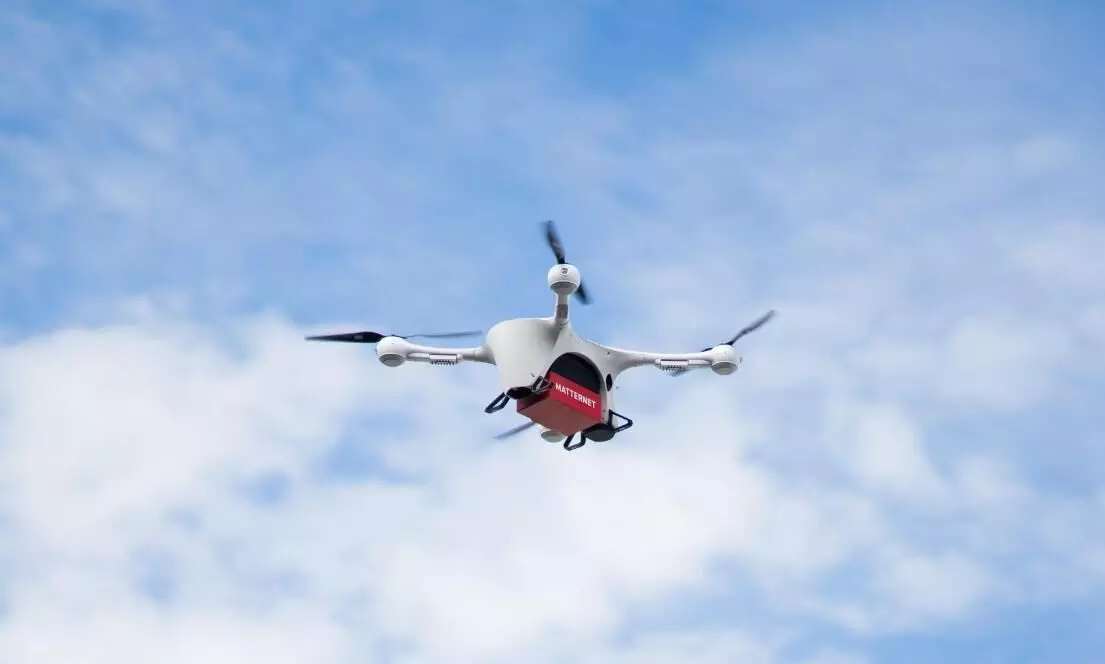
Matternet and Amprius Technologies have entered a strategic collaboration aimed at improving the performance and economics of autonomous drone delivery through the use of silicon anode battery technology. The companies said Amprius battery cells are now being used in Matternet’s M2 aircraft, and the partnership will also extend to battery systems for Matternet’s next-generation drone platform.
The collaboration comes as drone operators seek to improve aircraft range, payload capability and fleet utilisation amid growing interest in autonomous aerial logistics networks. The companies said battery systems are becoming a key factor in determining aircraft capability, network design and delivery economics as electric aircraft operations expand in urban environments.
According to the companies, Amprius’ silicon anode cells can deliver up to twice the energy density of graphite-based lithium-ion batteries. In drone operations, lower battery weight can increase flight range and payload while reducing operating costs per delivery.
“As the world's leading urban drone delivery player, we partner with the best technology companies in the world to push what's possible,” said Andreas Raptopoulos, Founder and CEO of Matternet. “Amprius delivers best-in-class battery performance, and in drone delivery that translates directly into a commercial advantage. Every additional mile of range expands our network coverage. Every minute saved in charging increases fleet utilisation. And every gram saved can translate into greater payload capacity. With Amprius, we have the opportunity to engineer that technology around our aircraft, our network model, and our cost-per-delivery targets.”
The companies said the partnership will focus on optimising battery cell selection, thermal performance, charging rates, and cycle life for Matternet’s future aircraft platform. The effort is expected to support wider service coverage, improve aircraft availability and reduce delivery costs as commercial operations scale up.
“At Amprius, we are focused on partnering with category leaders in applications where battery performance changes what is possible,” said Tom Stepien, CEO of Amprius Technologies. “Matternet is exactly that kind of partner, a company with a proven certified platform, real commercial operations, and a clear path to scale. By working closely with Matternet’s engineering team, we can optimise our silicon anode technology for their aircraft, operating models, and cost-per-delivery objectives. That kind of alignment is how battery innovation translates into real-world commercial advantage.”
The companies said Amprius battery cells are already operating in Matternet’s M2 fleet, and further integration work is underway for the next-generation aircraft platform. Amprius is targeting volume production readiness aligned with Matternet’s fleet expansion plans beginning in early 2027.
Matternet said it has conducted more than 60,000 commercial flights across urban and suburban environments in the United States and Europe. The company has worked with logistics providers including UPS and has received Federal Aviation Administration approvals related to commercial drone delivery operations.