
Ostend-Bruges hosts first electric cargo flight stopover
The aircraft's stopover at the NSAC Business Terminal formed part of a series of operational test flights designed to assess the viability of electric cargo operations across regional routes.
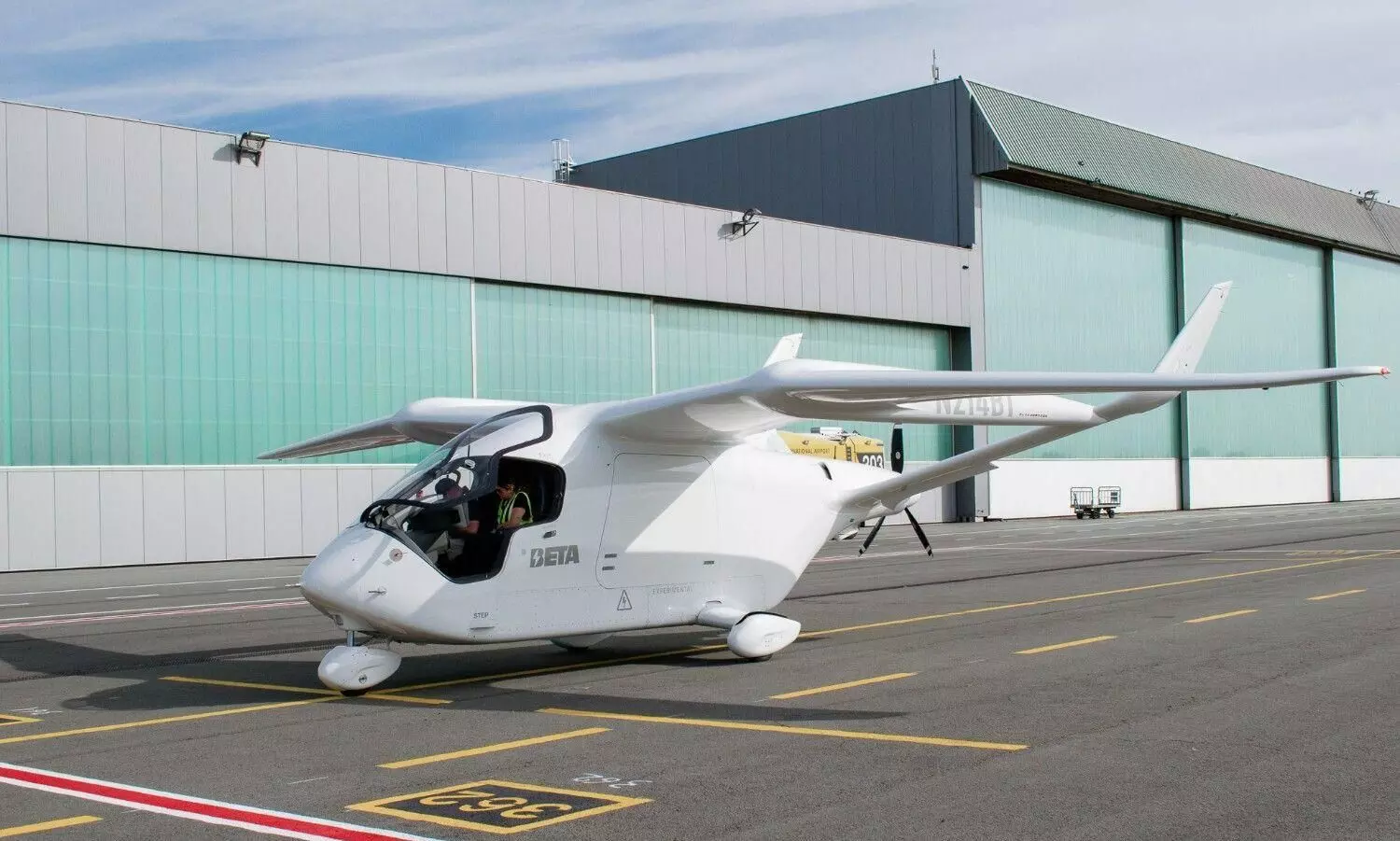
This weekend, Ostend-Bruges Airport received a fully electric cargo aircraft for the first time, marking a step in the development of low-emission aviation in the Benelux region. The aircraft's stopover at the NSAC Business Terminal formed part of a series of operational test flights designed to assess the viability of electric cargo operations across regional routes.
The demonstration flight reflects a joint effort by Ostend-Bruges Airport and Antwerp Airport to support the transition towards lower-emission air transport. Airport officials said regional airports are well positioned to test emerging aviation technologies because of their available infrastructure and operational flexibility.
"Regional airports like Ostend-Bruges and Antwerp have the necessary space and operational flexibility required to thoroughly test and further scale up new technologies such as electric flying," said Nathan De Valck, CEO of Ostend-Bruges and Antwerp Airport. "In this way, we can and want to play a pioneering role in making the aviation sector more sustainable."
The test flight also offered airport stakeholders an opportunity to examine how electric aviation could be integrated into regional transport networks. Industry participants expect electric and hybrid aircraft to reshape regional connectivity over the coming years by linking secondary cities and business centres within distances of 500 to 1,000 kilometres while reducing emissions.
Airport management believes the development could create opportunities for the airports' catchment area, which includes major economic centres across Western Europe. The geographic position of the airports places destinations in the Netherlands, France, Germany, the United Kingdom and Luxembourg within operational reach of future electric aircraft networks.
"That is where the opportunities lie for our airports," De Valck notes. "Our airports are located in the economic heart of Western Europe; the Netherlands, France, Germany, the United Kingdom, and Luxembourg are all within easy reach."
In the near term, the airports plan to target specialised cargo segments where speed and reliability are critical. These include the transportation of organs for medical procedures and the distribution of urgent medicines. The technology could also support time-sensitive e-commerce shipments and the movement of high-value cargo requiring rapid delivery.
Airport officials expect the use of electric aircraft to expand beyond freight operations as technology matures. Future applications could include scheduled passenger services and business aviation, broadening the role of electric aircraft within regional air transport networks.
"We expect the technology to be ready for a broader rollout within a few years, allowing regular passenger transport and business aviation to launch as well," said De Valck.
The flight was conducted using a BETA ALIA CTOL (CX300), an electric aircraft designed for cargo and regional transport missions. The aircraft has a cargo capacity of 560 kilogrammes, a flight range of between 500 and 600 kilometres, and a cruising speed of 283 kilometres per hour.