DSV, United Airlines partners to boost SAF use
This is the largest contracted SAF supply agreement with a single customer, DSV, in history, says United Airlines Chief Sustainability Officer.
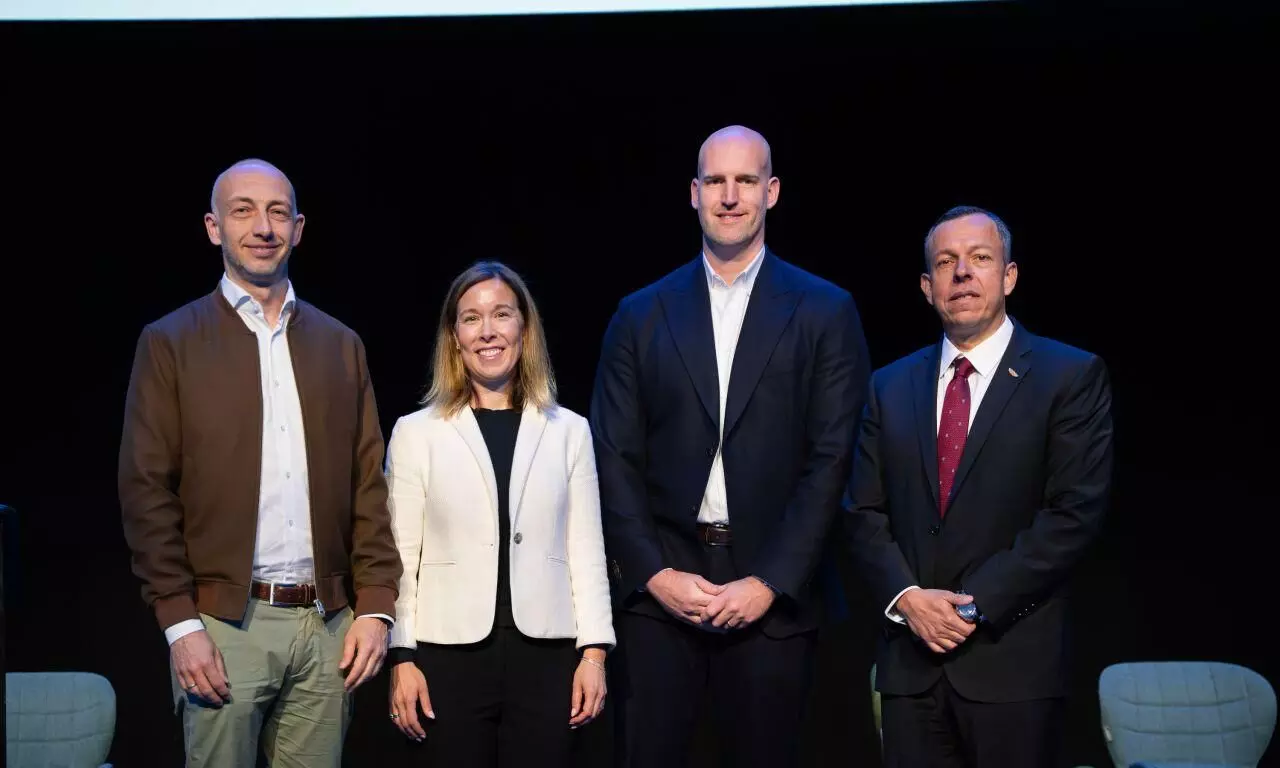
DSV has announced a partnership with Microsoft, United Airlines, and Phillips 66 to unlock 11 million gallons of sustainable aviation fuel.
The collaboration between the companies enables large-scale access to SAF, a level that would possibly be challenging for the involved firms to achieve on their own. The coming together of demand, commercial structures, and operational execution under this approach projects how SAF can be associated and coordinated for long-term agreements across the supply chain, effectively.
Under the agreement, United Airlines will utilise the fuel, whereas DSV and Microsoft will contribute through a book-and-claim methodology. The model will help to claim the verified emissions reductions linked with the SAF, without handling the fuel directly. It highlights the transparent and scalable carbon-reduction accountability.
Frank Sobotka, the CEO of Air and Sea Division, DSV, mentioned how the collaboration coordinates with an ambition of sustainability. He said, "This collaboration aligns with DSV's long-term sustainability strategy and reflects our role as a global partner helping customers access lower emission transport solutions at scale. By connecting customers, carriers, and fuel producers, we can help turn sustainability ambitions into operational outcomes."
SAF transaction follows DSV's standard process, assisted by International Sustainability and Carbon Certification (ISCC) for assurance of transparency. Governed under the Sustainable Aviation Fuel Certificate Registry (SAFc Registry), ISCC examines that the fuel is carried by an audited supply chain and is produced from sustainable feedstocks.
On the sidelines, DSV's internal book-and-claim registry, along with SAFc Registry, offers transparency that records the connected environmental attributes. This briefly looks into each tonne of CO2 emissions reduction verification and its allocation to a particular shipper.
Lauren Riley, Chief Sustainability Officer at United Airlines commented, "This is the largest contracted SAF supply agreement with a single customer, DSV, in the history of our corporate SAF program, the Eco-Skies Alliance, demonstrating the possibility of large-scale greenhouse gas reductions when the members of a value chain - from supplier to end customer - work together”.
The SAF arrangement is expected to lessen the lifecycle greenhouse gas emissions by nearly 100,000 tonnes in comparison to conventional jet fuel, which is equivalent to one freighter-flight every day of the year. This is an appropriate example of how airlines, producers, logistics integrators and corporate customers can align their efforts turn sustainiabiltity goal into reality through measurable emissions reduction.
Marco Eipper, General Manager of Cloud Supply Chain Logistics at Micosoft shared, "This collaboration builds on Microsoft's ongoing work to reduce emissions across our cloud logistics value chain and supports our broader sustainability goals. By collaborating with partners across the aviation value chain, we can help advance the adoption of sustainable aviation fuel and support the transition to lower-carbon air transport”.
Whereas, Ronald Sanchez, Vice President of Phillips 66 stated, “Phillips 66 has the integrated assets, logistics network and operational experience to deliver SAF at scale today, not years from now. With this unique collaboration across industries, we're helping turn demand for lower‑carbon aviation into reliable, real‑world supply with measurable impact”.