
Natilus appoints Composites Universal to build KONA wings
The Oregon-based manufacturer will produce carbon-fibre wings for the 3.8-tonne-capacity aircraft, with delivery planned for spring 2027 ahead of structural testing.
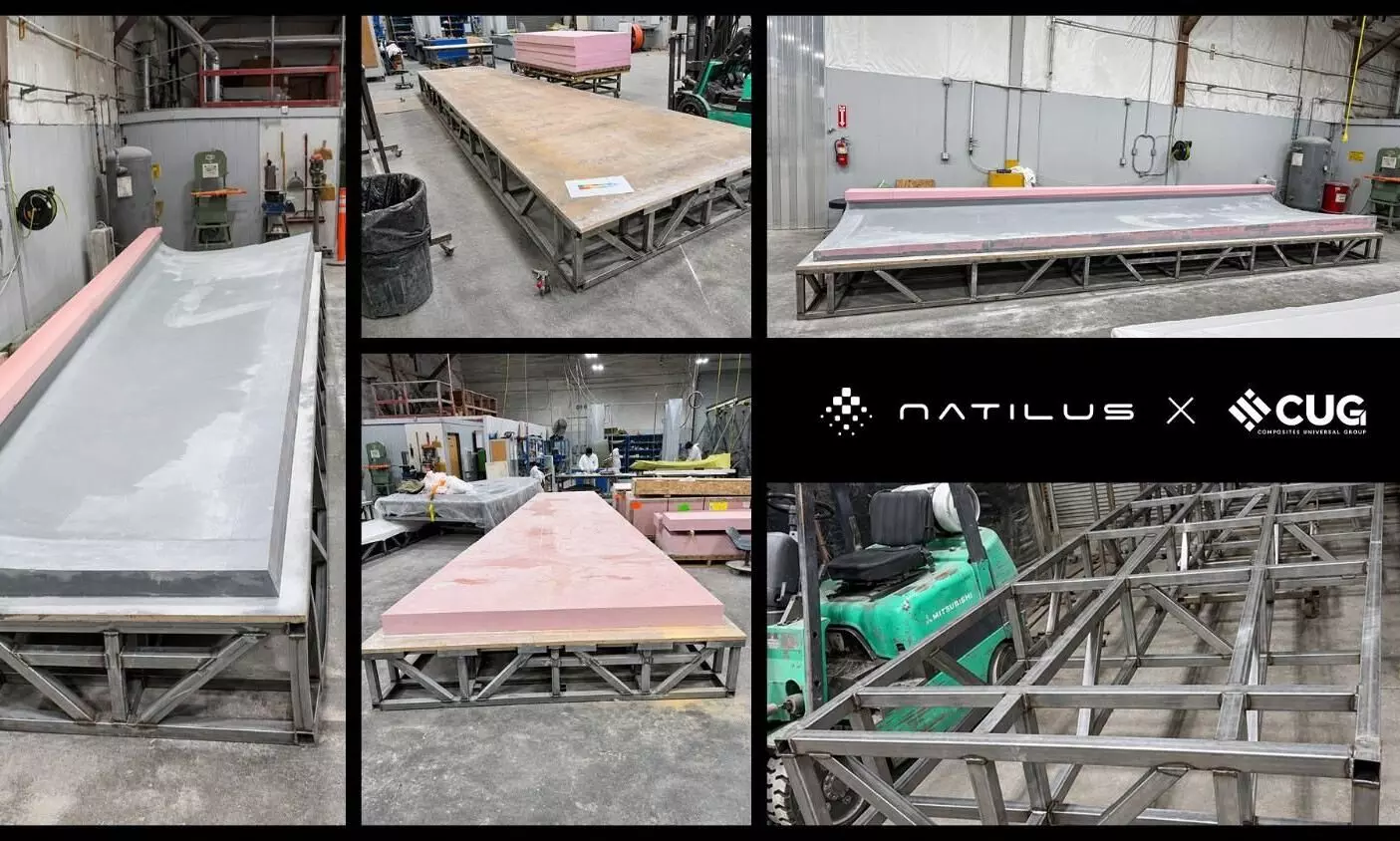
US-based aerospace manufacturer Natilus has appointed Composites Universal Group to manufacture the wings for its full-scale prototype of the KONA blended-wing-body regional freighter. The wings are expected to be delivered in spring 2027, as the company moves ahead with the aircraft's development and preparation for flight testing.
The development follows a $3.5 million investment awarded to Natilus by the US Air Force in October 2026 to advance KONA towards full-scale flight testing and an operational demonstration for military logistics. The funding is intended to evaluate the aircraft's potential for regional cargo distribution, particularly in locations with limited infrastructure and challenging fuel supply conditions.
KONA is an optionally piloted regional cargo aircraft with a payload capacity of 3.8 tonnes and a range of 800 nautical miles. It is designed to bridge the gap between smaller utility aircraft, such as the Cessna C-208, and larger military transport aircraft, including the C-130. The aircraft is also designed to operate from short runways and locations with limited infrastructure.
Natilus said KONA's blended-wing-body design is expected to reduce fuel consumption by around 30% compared with conventional aircraft. The company is developing the aircraft for both commercial cargo operations and military logistics applications.
Composites Universal Group will manufacture the wings at its facility in Oregon. The company has previously worked with Airbus Defence & Space, Boeing, Archer Aviation and SpaceX. It has also developed a tooling process aimed at reducing production costs and speeding up manufacturing.
The wings will follow a conventional structural design, using spars and ribs similar to those found in aircraft such as the Beechcraft King Air series. They will be made from carbon fibre rather than aluminium and will use aerospace materials that meet Federal Aviation Administration (FAA) standards.
The wing design will also include a conventional cable and pulley system for flight controls. Natilus said the wings would not have fuel tanks, which would help avoid additional complexity in their design.
According to the company, carbon fibre offers better resistance to corrosion and fatigue over time. The material also requires fewer parts and fasteners, reducing the need for riveted panels and drilled holes.
Once delivered to Natilus's hangar in San Diego, the wings will undergo coupon and bond joint testing, followed by limit load testing. These tests will assess their strength and durability before the full-scale demonstration flight.
Natilus is also working towards FAA Part 23 certification for KONA. The company is developing a family of blended-wing-body aircraft for cargo and passenger transportation, with its designs targeting a 30% reduction in fuel consumption, 50% lower operating costs and 40% higher payload capacity compared with conventional aircraft.
Natilus reports more than 570 aircraft pre-orders, valued at approximately $24 billion, across its aircraft programme.