
Middle East airspace disruptions tighten global air cargo capacity
Flexport’s 4 March update says flight suspensions and rerouting are disrupting air cargo flows and extending transit times.
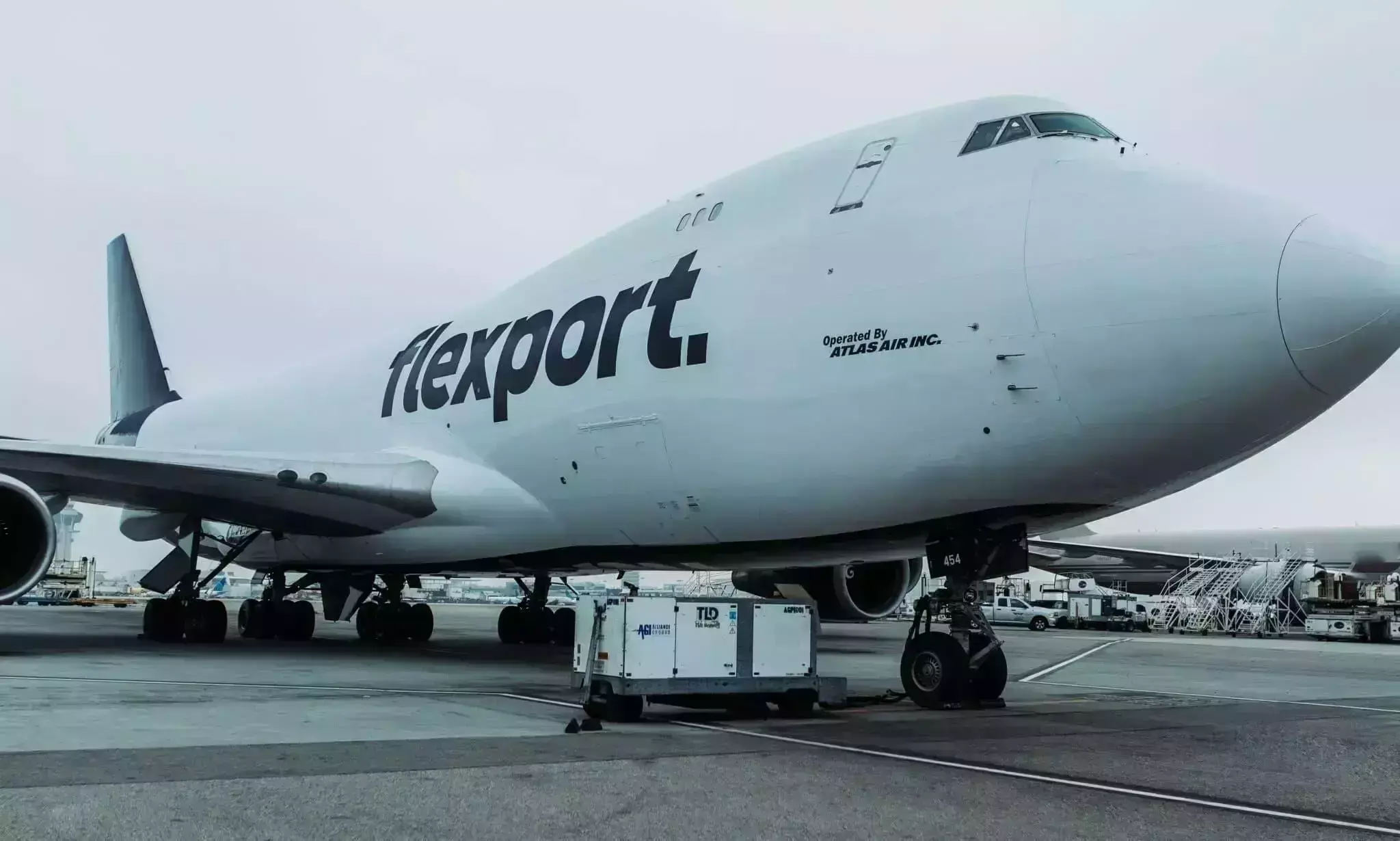
Escalating tensions in the Middle East continued to disrupt global air cargo operations as of 4 March, with airlines suspending flights, rerouting aircraft and tightening available freight capacity across key international routes, according to an update from Flexport.
Airspace closures across several Gulf states have forced airlines to cancel services and reroute aircraft around the region, affecting both passenger and cargo operations. The disruption has reduced available cargo capacity and created uncertainty across global freight networks as carriers adjust flight paths and schedules. Some airlines and logistics providers have also invoked force majeure, suspending normal service guarantees because of circumstances beyond their control.
As a result, global air freight capacity has tightened and transit times are expected to increase on routes that normally pass through Middle Eastern airspace. The closures have also affected major transit hubs in the Gulf, forcing operators to rely on longer and more complex flight corridors.
The disruption follows a sharp escalation in the region that began on 28 February, which triggered widespread airspace shutdowns and flight suspensions across the Middle East. Airlines grounded aircraft and rerouted services almost immediately, creating knock-on effects for international cargo flows.
With restrictions still affecting key hubs and flight paths, logistics providers are warning of continued volatility in air cargo capacity and freight rates as carriers adapt to the rapidly changing operating environment.