
IndiGo’s flight cancellations hit cargo movement
Domestic cancellations at IndiGo are slowing down pharma, perishables and courier cargo, leading to delays and rising costs.
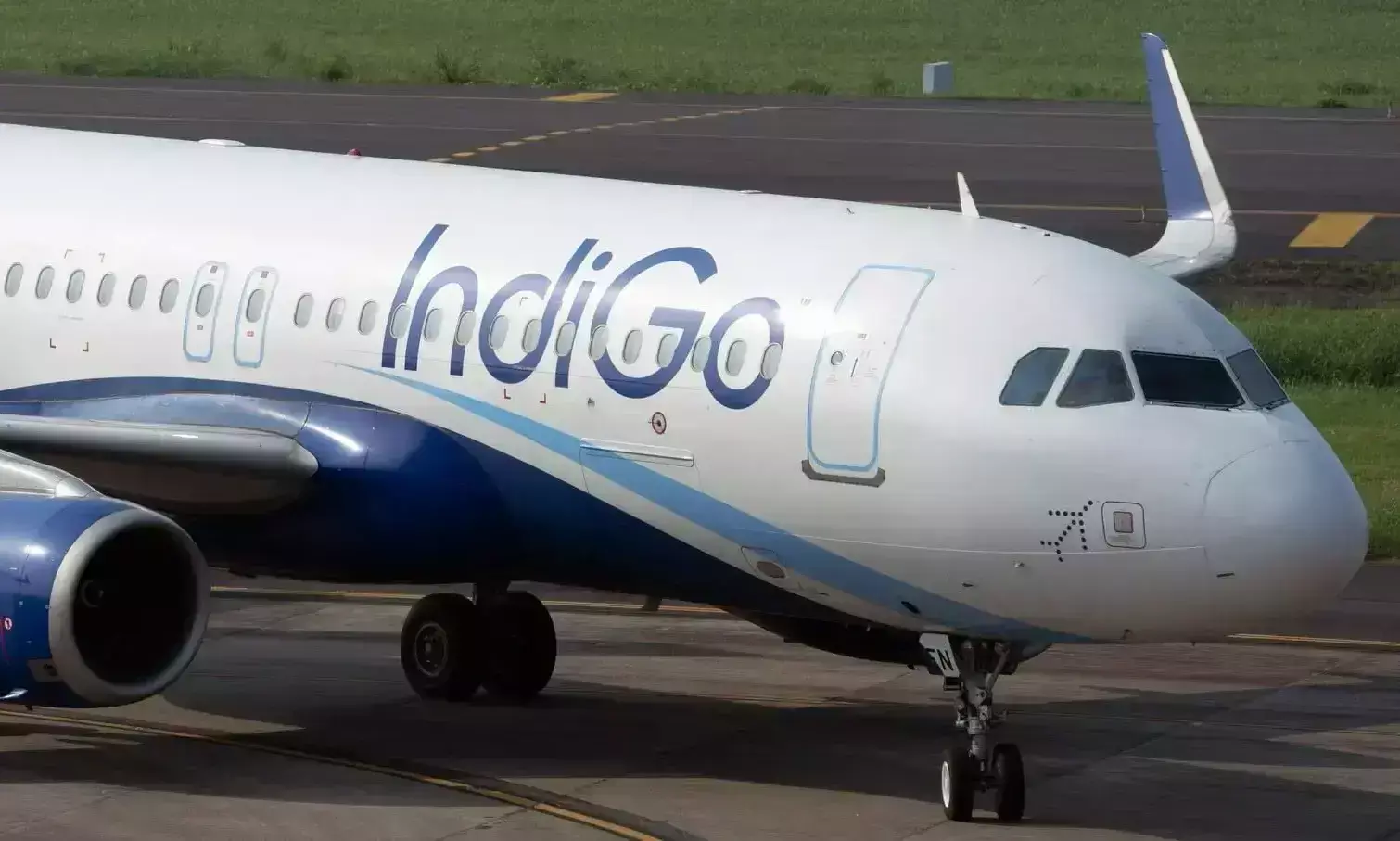
IndiGo, India’s biggest airline, has been cancelling a large number of flights since early November 2025. This has led to disruptions around the country and concerns about how cargo is being affected. International routes are mostly running as usual, but domestic cancellations have been unusually high, and industry sources say this is putting pressure on time-critical cargo such as medicines and perishables.
The root of the crisis lies in the enforcement of the Directorate General of Civil Aviation’s (DGCA) Flight Duty Time Limitations (FDTL) phase‑II regulations. These rules, which came into effect on 1 November 2025, mandate stricter duty hour caps and longer rest periods for pilots and crew, aimed at reducing fatigue and ensuring safety. The sudden need to comply with these norms, coupled with tight flight schedules and the airline’s large network, led to a sharp shortfall in crew availability.
In November alone, IndiGo cancelled 1,232 flights, with 755 of these attributed directly to crew shortages under the FDTL norms. As the cancellations escalated in early December, on-time performance plummeted, with reports showing OTP dropping as low as 19.7% on some days. On 5 December, the airline cancelled around 500 flights nationwide, including a complete suspension of domestic departures from Delhi’s Indira Gandhi International Airport.
The government responded swiftly. The DGCA temporarily withdrew certain pilot-rest norms to stabilise operations. Authorities expect the schedule to return to normal “within a few days,” with full operational restoration anticipated by 10 February 2026.
While the disruption has caused major inconvenience for passengers, the effect on cargo operations has been mixed. Industry sources suggest that international cargo has largely remained unaffected because international flights continue to operate as usual. However, domestic cargo, particularly time-sensitive goods such as pharmaceuticals, vaccines, and perishables, has faced some hurdles.
Mithilesh Shetty, Director at ISA Logistics, explained: “It doesn't actually have any impact on international cargo movement. It does have on domestic cargo movement. But domestic cargo movement is not as critical as an EXIM movement. So most of the business is moving to other airlines like SpiceJet, Air India, and Akasa. They are taking a refund, and they're moving it. There's a little bit of chaos, but it's manageable.”
Shetty highlighted the segments most vulnerable to disruption. “Pharma, perishables, anything that has a deadline domestically is vulnerable. The bigger movement domestically comes from the courier business, which is the largest. Things are moving slowly right now in terms of courier, but if this condition continues for two or four weeks, there could be a lot of delays. Other airlines will pick up the slack, and pricing may start getting a little more expensive.”
The logistical complexities extend beyond delays and pricing. Krishnakant Parab, Senior Vice President-Business Operations at Encube Ethicals, emphasised the challenges of maintaining cold-chain integrity. “Pharma, domestic pharma shipments go via air only. We send out urgent vaccines, which need to be maintained at 2–8°C, high-intensity antibiotics, insulin, and plasma products. Because of the cancellations, consignments are being held up at airports, and ice packs are being exchanged. The airport doesn't have refrigeration facilities for this, so there is a big impact at the moment.”
Parab also pointed to difficulties in switching to alternative carriers. “There are cold-chain vehicles and other airlines, but lead times cannot be maintained. For example, if we have 50 cases for Lucknow, that won't make a full truckload, so the time taken is much longer. Metro routes, which are the major business for insulin and vaccines, are severely impacted. Pharma companies were informed primarily through the media, not directly by the airline. Mitigation involves retrieving the consignment and trying to book it through other airlines, but holding times are longer, and costs are higher. Booking on platforms like Bludart is possible but one-and-a-half times more expensive.”
Vijay Shetty, Senior Vice President- Global Distribution and Supply Chain at Alkem Laboratories, expressed a different view, noting that having alternative logistics partners reduces risk. “We don't rely on one cargo operator. If IndiGo doesn't operate, we have SpiceJet, Air India, and others. We have a clear-cut backup plan. Even if IndiGo ran smoothly, capacity issues would arise at times. We always work with backups only.”
Afzal Malbarwala, Founder and Managing Director of Galaxy Freight, offered insight into the international angle. “International shipments are not delayed because the international flights are not cancelled. However, due to domestic chaos, certain cargo was offloaded from international flights as well. Perishable goods that must reach the market in time are difficult to manage. Temperature-controlled cargo, especially pharma, is very valuable and cannot risk spoilage. Metro-to-metro movement is largely unaffected for cargo, but belly-dependent cargo is more likely to face delays when passenger flights are full.”
Malbarwala also underlined the importance of diversifying logistics channels. “Exporters must never depend on a single airline. Even European or Far East carriers can face restrictions. Using multiple carriers provides flexibility. If the problem is resolved in a day or two, the impact on cargo will be minor, but passengers are clearly more affected in the short term.”
Despite the disruption, the overall picture suggests that while domestic cargo faces challenges, especially in pharma and perishable segments, forwarders and shippers have been able to manage the situation using alternate airlines, road transport, and careful planning. The key concern remains time-sensitive shipments where any delay could affect market delivery schedules and cold-chain integrity.
In the larger context, the IndiGo cancellations reflect both operational and regulatory pressures in the Indian aviation sector. Airlines with large domestic networks are particularly vulnerable to sudden enforcement of crew-rest rules, tight scheduling, and limited runway capacity at major airports. For the cargo segment, the crisis highlights the need for resilient logistics planning, multiple carriers, and contingency measures to maintain supply chain integrity.
As airlines adjust to DGCA directives and the temporary withdrawal of some FDTL rules, cargo operators remain cautiously optimistic. “The disruption is manageable, though it creates some chaos,” said Shetty of ISA Logistics. “Other carriers are stepping in, and road transport supplements air movement. Within a week, things should largely return to normal.”
With international flights unaffected, the most critical shipments continue to move, albeit with some delays at hubs like Mumbai and Delhi. Experts across the industry stress the importance of having multiple contingency plans and not relying solely on one airline for critical cargo, particularly in sectors like pharmaceuticals and cold-chain products.
The IndiGo flight cancellations have underscored the interdependence of passenger and cargo operations in India. While the immediate impact on cargo is not catastrophic, it has highlighted vulnerabilities in domestic logistics, especially for time-sensitive sectors. Stakeholders are taking proactive steps to mitigate risks, diversify transport modes, and ensure that essential goods continue to reach markets despite the turbulence in the airline industry.
Stat Trade Times has contacted IndiGo for comment, and there was no response at the time of publishing.