
IATA Introduces DG Digital for paperless dangerous goods declarations
The solution aims to replace traditional paper-based documentation with a faster and more efficient digital process
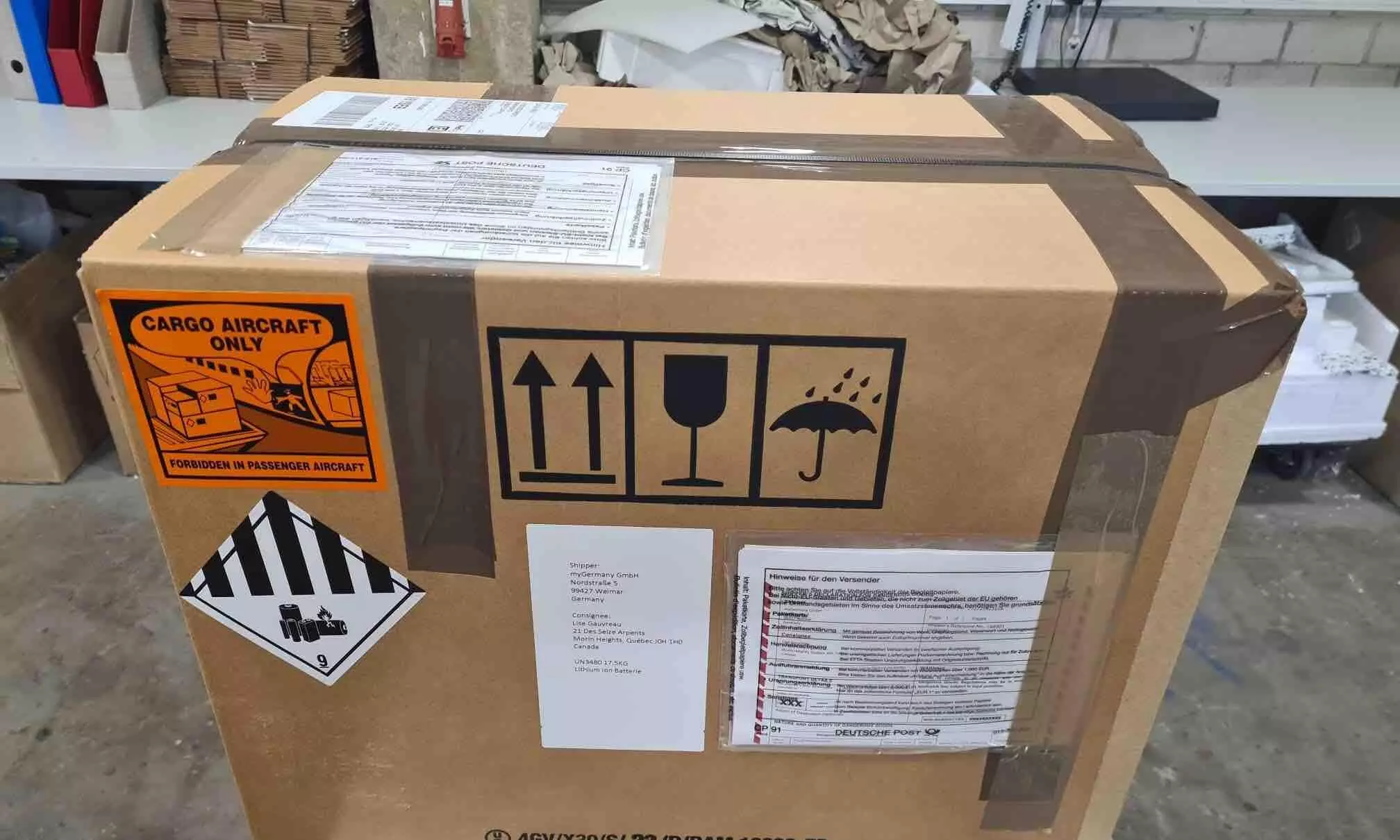
The International Air Transport Association (IATA) has introduced DG Digital, a new feature within its DG AutoCheck system that enables fully digital Dangerous Goods Declarations for air cargo shipments. The solution aims to replace traditional paper-based documentation with a faster and more efficient digital process, improving safety and reducing shipment rejections for thousands of hazardous items transported by air. The new tool fully digitalises the creation and approval of shippers’ declarations for more than 3,800 dangerous items, from lithium batteries to explosives and chemicals.
Today, 95% of Dangerous Goods Declarations are still received in paper format. These declarations must be scanned, converted into a PDF document, and then uploaded into DG AutoCheck to be validated. With DG Digital, declarations are generated and transmitted digitally from creation by the shipper to validation. This creates a more efficient and streamlined workflow compared with traditional paper-based processes.
Digital Declarations
DG Digital captures all required data needed for Dangerous Goods Declarations while enabling users to exchange this information electronically with all partners.
Cross-referencing IATA’s Dangerous Goods Regulations (DGR), users of DG Digital can easily identify and address issues that may cause a shipment to be rejected or delayed by an airline, including missing or incorrect documents. Having Dangerous Goods Declarations confirmed before the physical shipment takes place also helps avoid costly fines while addressing any safety concerns.
DG Digital will further support a seamless and safer logistics and transport supply chain by enabling standardised, transparent data exchange across air cargo stakeholders, communities, and platforms.
Successful Trial
The launch of DG Digital follows successful trials in Japan last year, where digitally validating declarations resulted in only 0.5% of dangerous goods shipments being rejected. This is a significant improvement from the current global average of 4.5% of shipments being rejected due to incomplete or inaccurate declarations. The trial included All Nippon Airways (ANA), Japan Airlines (JAL), and six freight forwarders— International Cargo Service, JAS Forwarding Japan, MOL Logistics, Nippon Express, Nissin, and Yusen Logistics.
Growing Market
Since its launch in 2019, DG AutoCheck has completed more than one million dangerous goods checks, with more than a third completed in 2025. This reflects a significant growth in dangerous goods shipments, with data from IATA CargoIS showing a 17.5% year-on-year increase for the full year 2025, largely driven by the growing demand for lithium batteries.
“IATA’s Dangerous Goods Regulations are focused on reducing complexity and improving safety in the shipment of dangerous goods. DG Digital supports this by digitalising the shipper’s declaration process, providing all stakeholders—from shipping agents and freight forwarders to ground handlers and airlines—access to the same document. This supports the rapid resolution of any issues in the documentation before an item is physically shipped,” said Frederic Leger, IATA’s Senior Vice President, Product & Services.
With demand for dangerous goods shipments, particularly lithium batteries, continuing to rise, digital tools such as DG Digital are expected to play a key role in improving efficiency and safety across the air cargo supply chain. By enabling standardised and transparent data exchange among airlines, freight forwarders, and ground handlers, the initiative marks another step toward greater digitalisation in global air logistics.