IATA calls for stronger action on undeclared dangerous goods
Undeclared and mis-declared dangerous goods remain a key air cargo safety concern, prompting calls for stronger collaboration and a multi-layered approach across the supply chain.
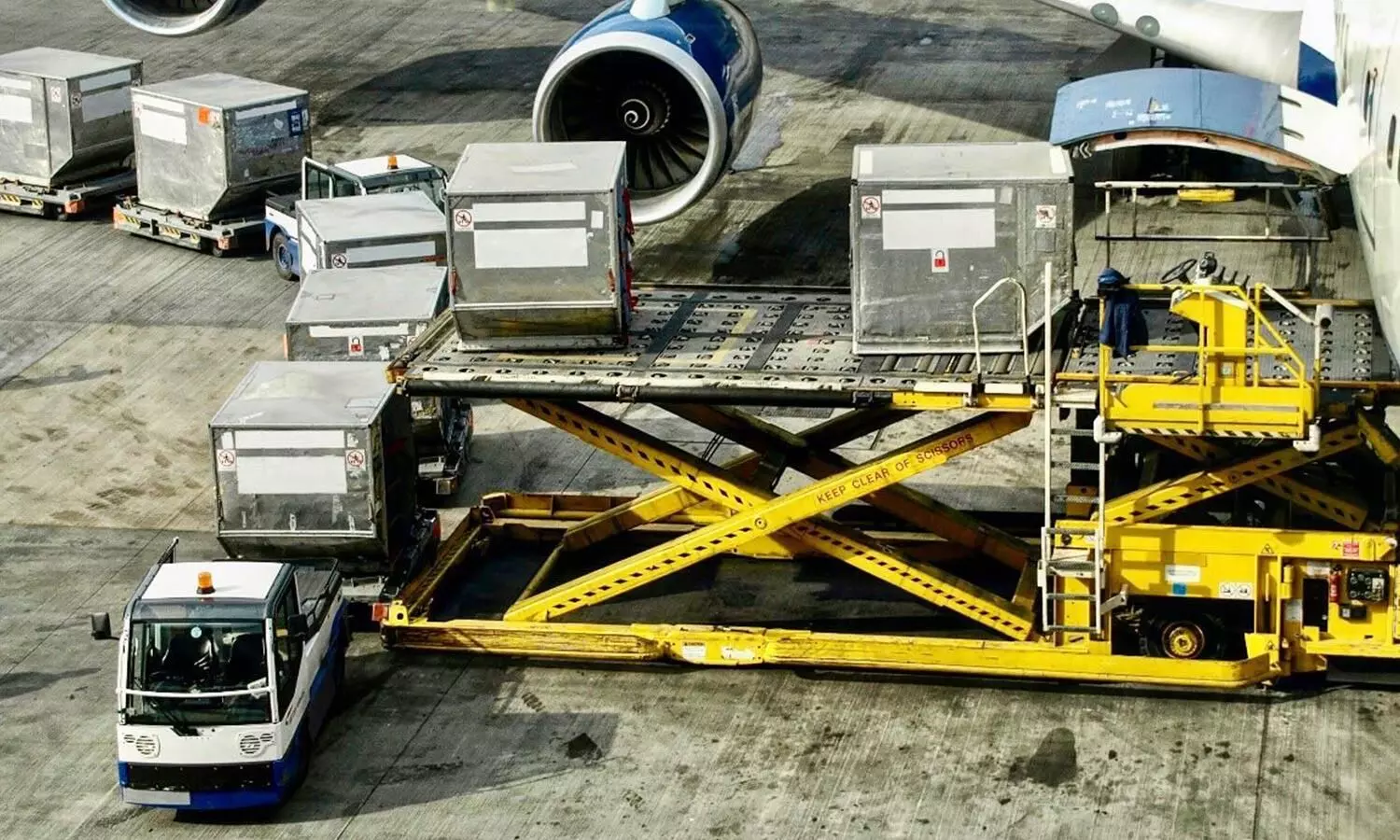
The International Air Transport Association (IATA) has called for stronger collaboration across the air cargo supply chain to address the growing risks posed by undeclared and mis-declared dangerous goods.
The call comes as regulators discuss the role of existing aviation security screening processes in detecting hazardous cargo. While IATA recognises security screening as an important layer of protection, it said screening should not be treated as the primary solution for identifying undeclared dangerous goods.
IATA noted that established Dangerous Goods Regulations provide a framework for the safe transport of hazardous materials by air. However, undeclared or hidden dangerous goods continue to be a significant concern. Around 80% of dangerous goods incidents reported to IATA during the first half of 2025 involved undeclared or concealed items.
Lithium batteries were among the most frequently identified commodities, alongside other hazardous products such as undeclared e-cigarettes and aerosols.
The association is advocating a multi-layered approach involving all stakeholders across the air cargo supply chain, with greater emphasis on prevention, accurate declaration and compliance alongside security screening.
Brendan Sullivan, IATA’s Global Head of Cargo, said, “Dangerous goods are transported safely by air every day. The risk comes when they enter the system undeclared or incorrectly declared. Every part of the supply chain has a role to play in identifying and stopping such incidents as soon as possible. Security screening, which is primarily focused on terror threats, is one layer of protection against rogue shippers, but it is not a complete solution. A comprehensive multi-layer approach beginning as far upstream the supply chain as possible is essential.”
IATA is calling for a stronger multi-layered approach to address undeclared and mis-declared dangerous goods across the air cargo supply chain. It has urged governments to strengthen oversight and enforcement of dangerous goods requirements, while manufacturers and online marketplaces should ensure hazardous products are correctly identified, certified where required and supported by accurate product information. Shippers, freight forwarders and postal operators should enhance training, acceptance controls and the use of customer and shipment data to identify higher-risk cargo before it reaches airports. Airlines and ground handlers should strengthen pre-loading checks, while airports should improve coordination and information sharing among cargo supply chain stakeholders.