DSV Group profits climb in Q1 2026
DSV reported stronger Q1 2026 earnings, supported by the Schenker acquisition, while maintaining full-year guidance despite Middle East disruptions.
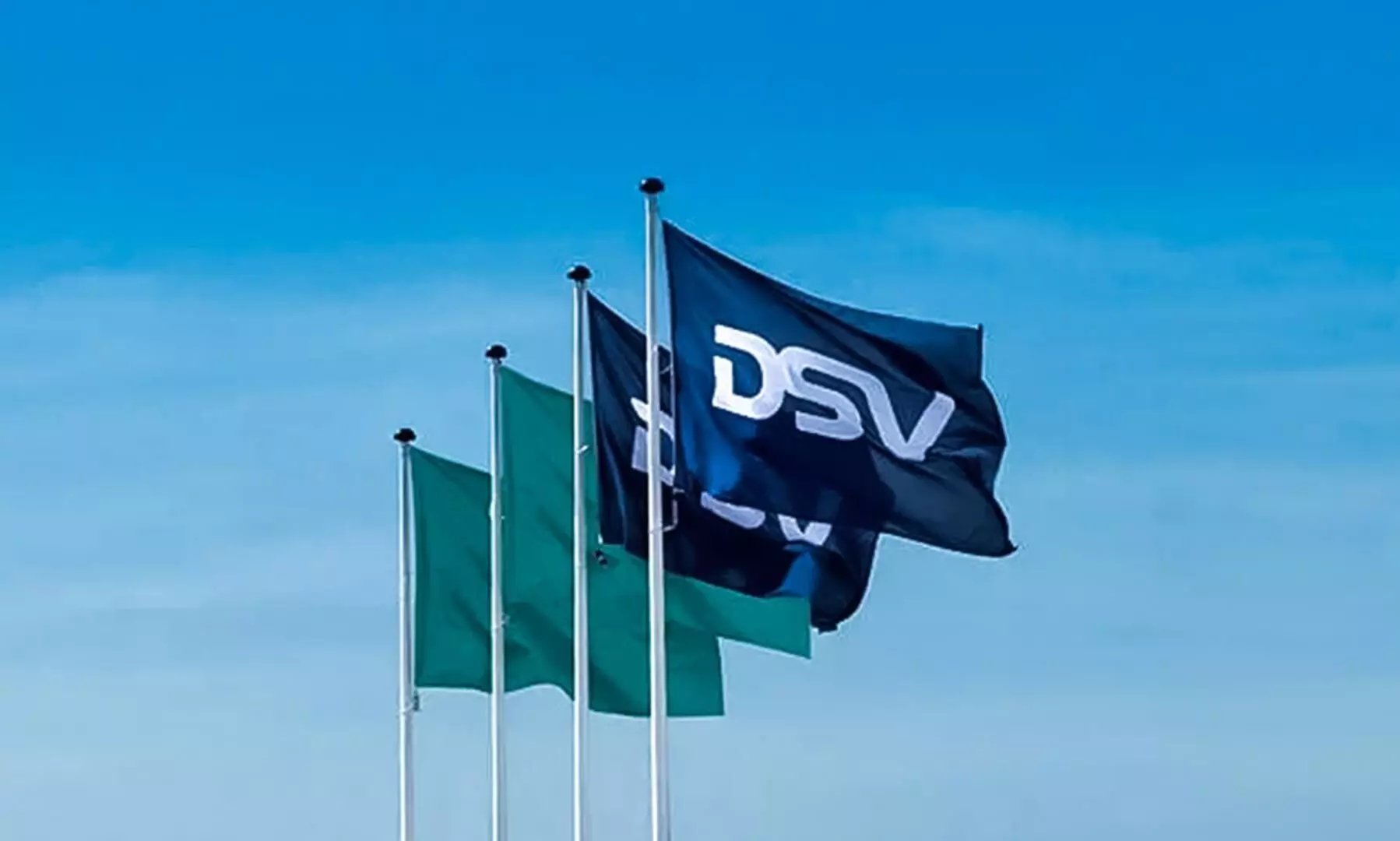
DSV Group reported EBIT before special items of DKK 4,855 million in the first quarter of 2026, delivering a solid performance despite increasingly challenging market conditions. Earnings improved compared with the same period last year, mainly supported by the acquisition of Schenker.
The integration of Schenker continued to progress strongly, with more than 50 countries either fully integrated or currently undergoing integration.
DSV reaffirmed its expected synergies of around DKK 9 billion, with the full financial benefit anticipated in 2027. For 2026, the company expects an additional financial impact of at least DKK 4 billion, on top of the synergies already achieved in 2025.
Adjusted free cash flow for Q1 2026 stood at DKK 1,517 million, affected by seasonal factors and a temporary rise in net working capital.
The company also maintained its full-year 2026 guidance for EBIT before special items in the range of DKK 23.0 billion to DKK 25.5 billion. However, DSV noted that the market outlook remains uncertain due to possible macroeconomic risks, including the ongoing conflict in the Middle East.
Jen H. Lund, CEO at the Group, said, “In the first quarter of 2026, DSV delivered a solid financial performance, reporting EBIT before special items of DKK 4,855 million. The results demonstrate the resilience of our business model despite increasingly challenging market conditions and geopolitical unrest. The conflict in the Middle East has added further pressure to our customers’ global supply chains, particularly in the Air & Sea division. While prioritising the safety of our employees, we remained committed to supporting our customers with flexible solutions to ensure uninterrupted service. At the same time, we have kept up the strong momentum on the integration of Schenker, and we continue our efforts to transform the company through artificial intelligence and technology to reinforce our position as a global industry leader.“
The first quarter was impacted by the escalating conflict in the Middle East, leading to increased complexity and disruptions across customers’ supply chains, particularly in air and sea freight. Despite difficult market conditions and volatile freight rates, DSV relied on its strong global network and local teams to support customers and develop alternative cargo solutions.
In Q1 2026, DSV reported gross profit of DKK 18,903 million, marking a 78.4% increase compared with the same period last year, while EBIT before special items rose 31.2% to DKK 4,855 million. The growth was mainly supported by the Schenker acquisition, along with solid performance in Contract Logistics.
The Air & Sea division recorded a slight decline of 4.9% in EBIT before special items year-on-year. This was mainly due to lower average gross profit yields in both segments, impacted by market conditions and the dilutive effect of Schenker. Unfavourable foreign exchange movements also weighed on results.
The Road division delivered 144.1% growth in EBIT before special items compared with the same period last year. The increase was largely driven by Schenker, though partly offset by lower productivity caused by harsh winter weather and the ongoing integration process in Germany and the Netherlands, which began in January.
Contract Logistics posted a 180.1% rise in EBIT before special items year-on-year. Growth was supported by the inclusion of Schenker, strong commercial momentum, and higher warehouse utilisation, partly resulting from consolidation initiatives.
DSV has reaffirmed its full-year 2026 guidance. EBIT before special items is projected to be between DKK 23,000 million and DKK 25,500 million, including synergies from the Schenker acquisition. Special items related to transaction and integration costs are expected to total around DKK 6,500 million. The effective tax rate is also forecast to remain high at about 28.0% in 2026 due to the ongoing integration of Schenker.
The company said ongoing market uncertainties, including trade tariffs and geopolitical tensions in the Middle East, could have unpredictable effects on the global economy and trade environment, which may impact its financial outlook. DSV added that it continues to monitor activity levels closely and will adjust capacity and costs where needed to improve productivity.
In Q1 2026, the integration of Schenker continued to progress strongly, with more than 50 countries either fully integrated or currently in the integration process. This includes Germany, where integration began at the start of the quarter. The company remains on track to complete the integration by the end of 2026 and continues to expect annual synergies of around DKK 9 billion, with the full financial benefit expected in 2027.
DSV also maintained its expectation of at least DKK 4 billion in additional financial impact from synergies in 2026, on top of the DKK 800 million already recognised in 2025. Overall, the company expects the total accumulated contribution to EBIT before special items to reach around DKK 5 billion in 2026.
Total transaction and integration costs are still estimated at around DKK 11 billion, which will be recorded under special items during the integration period. In Q1 2026, special items amounted to DKK 1,453 million, bringing the accumulated special items linked to the acquisition to approximately DKK 6 billion since the transaction was announced.