
Canadian beef to China drives 150 freighters of demand
China's lifting of its Canadian beef ban created demand for 150 freighters over three months, with BC, Saskatchewan, and Alberta the key origins, says Rotate.
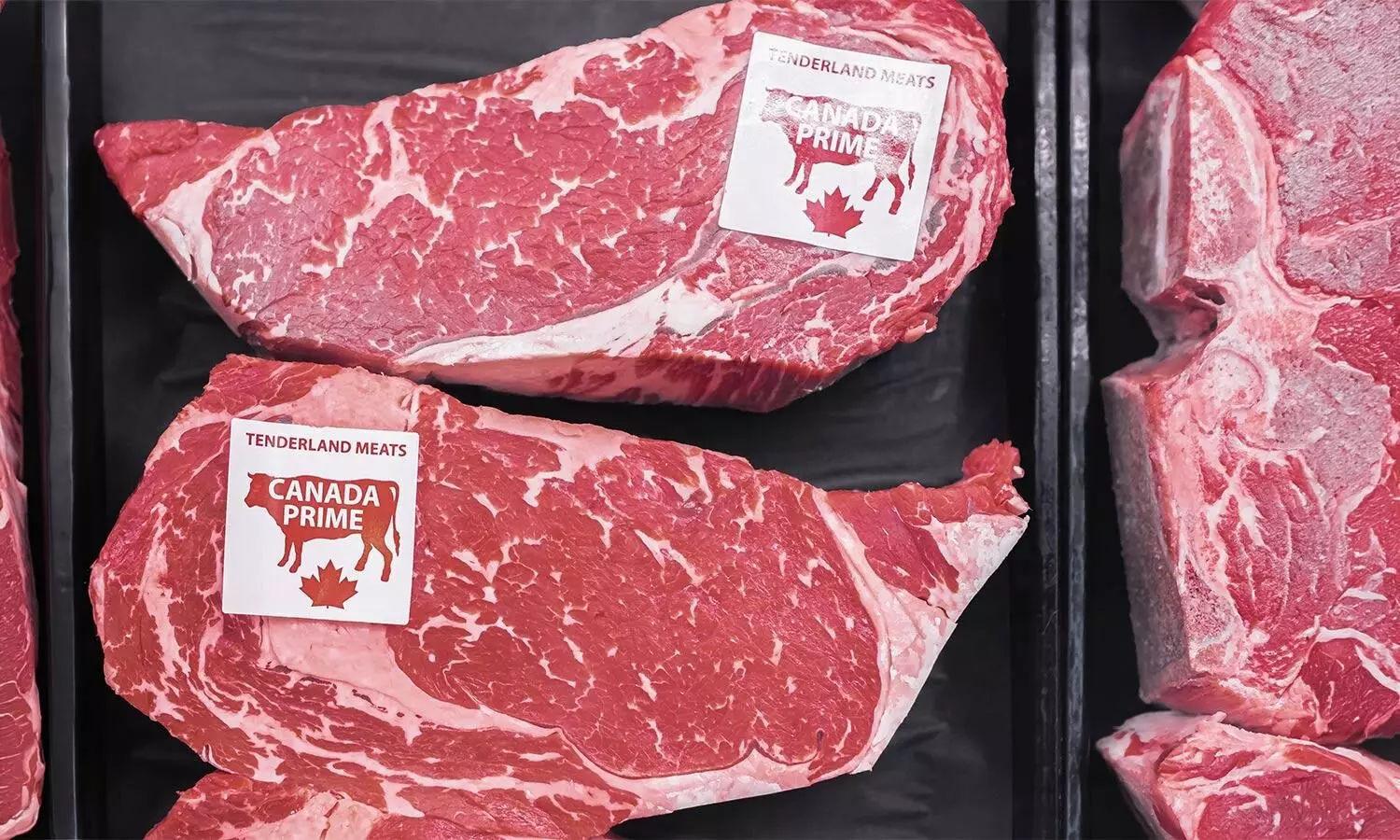
Even in an air cargo market dominated by talk of AI-driven demand and e-commerce, new opportunities keep emerging. The latest Rotate Air Demand data shows that China's removal of its ban on Canadian beef imports generated demand worth 150 freighters over what was effectively a three-month period. British Columbia, Saskatchewan and Alberta were the key origins.
Canada's beef exports to China were suspended in December 2021 after Canada reported an atypical case of bovine spongiform encephalopathy (BSE) in an Alberta cow. China subsequently blocked shipments from Canadian processing plants, closing off an important market for Canadian producers.
Trade resumed on 15 January 2026, when China restored access for beef from 20 approved Canadian establishments following renewed bilateral discussions. The reopening ended a four-year closure of what had been an important market for Canadian beef producers. The news followed a "landmark" trade deal under which China allows Chinese-made electric vehicles into Canada, in exchange for a break on tariffs for Canadian agricultural products such as seafood and canola seeds.
The reopening is expected to be gradual as exporters rebuild supply chains, regain customers and meet Chinese registration and inspection requirements. China is strategically important for Canada because of its large consumer base and appetite for imported beef, while access also helps Canadian producers diversify beyond the US.
Air cargo is particularly important for fresh and chilled beef, where speed helps preserve shelf life, maintain product quality and serve premium retailers. Sea freight remains more economical for large volumes of frozen beef, but air freight can support initial shipments, urgent deliveries and high-value chilled products.
Rotate's analysis of Canada-to-China air cargo demand in 2026 shows how the market responded. From January to March, demand was modest, rising from about 1,600 tonnes to just over 3,000 tonnes, all of it non-meat cargo. Meat shipments first appeared in April, and volumes jumped in May to take total demand to nearly 7,000 tonnes.
June was the peak. Total demand reached around 11,000 tonnes, with meat making up roughly two-thirds of the volume. Rotate says that is equivalent to 75 Boeing 777-200F freighters in the month alone, and it edged above direct capacity on the lane of about 10,000 tonnes. Direct capacity covers widebody freighters and widebody passenger flights to both mainland China and Hong Kong.
The surge was short-lived. Meat demand fell back in July, bringing total demand to just under 7,000 tonnes. By August, no meat demand was recorded and total demand dropped to around 2,700 tonnes, well below available capacity.
The pattern points to a burst of pent-up demand once the ban was lifted, followed by normalisation. It shows how quickly trade policy decisions can reshape air cargo flows on a single lane, and why tracking demand against live capacity matters for commercial and strategic planning.