
BETA and Surf Air launch electric aviation trial in Hawaii
BETA Technologies and Surf Air Mobility launched electric aircraft demonstrations in Hawaii to evaluate future cargo and passenger operations.
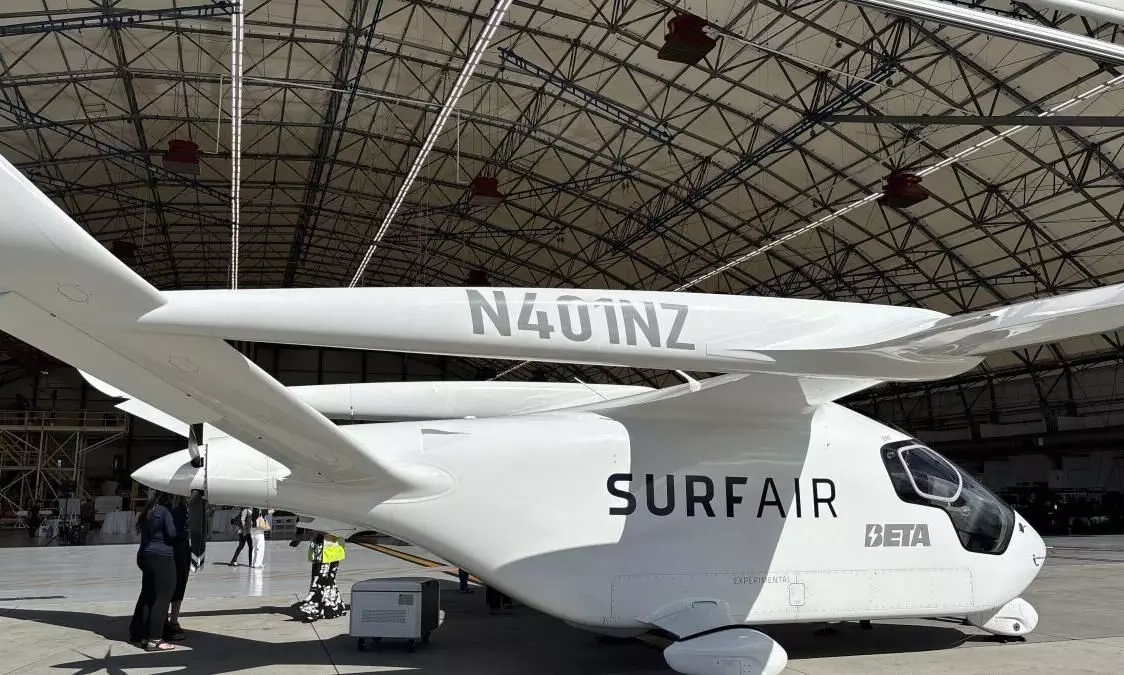
BETA Technologies and Surf Air Mobility have launched an electric aircraft demonstration programme in Hawaii to evaluate how next-generation electric aviation can support future cargo and passenger services across the islands. Supported by Hawaiian Airlines, the six-to-eight-week trial began at Daniel K. Inouye International Airport and will use BETA’s ALIA CTOL electric aircraft to collect operational, economic and infrastructure data aimed at preparing for commercial deployment of electric regional air services.
The demonstration programme brings together BETA’s electric aircraft technology, Surf Air Mobility’s regional airline operations through Mokulele Airlines, existing airport infrastructure in Hawaii and SurfOS digital operating systems.
Hawaiian Airlines is supporting the initiative through route insights, feasibility studies and stakeholder engagement activities as the industry explores the practical deployment of electric aviation.
The programme is designed to evaluate whether electric aircraft can operate efficiently across Hawaii’s interisland network, which is considered well suited for testing due to its short-haul route structure and established regional travel demand.
During the demonstration period, BETA’s ALIA CTOL aircraft will conduct market survey flights to assess aircraft performance under Hawaiʻi’s operating conditions, including route suitability, weather impact and commercial feasibility. The programme will also study direct operating costs, maintenance requirements, battery performance, energy consumption, charging infrastructure needs, crew training and ground handling procedures.
According to participating companies, the findings will help determine the operational and economic requirements needed before electric aircraft enter commercial service at scale. Kyle Clark, Founder and Chief Executive Officer of BETA Technologies, said connecting the Hawaiian islands through lower-cost cargo and passenger services represents a strong use case for electric aviation and that the demonstrations will provide valuable operational insights.
Diana Birkett Rakow, Chief Executive Officer of Hawaiian Airlines, said the programme aligns with efforts to support aviation innovation while exploring technologies that can strengthen safe, reliable and lower-emission regional air transport.
Deanna White, Chief Executive Officer of Surf Air Mobility, said the focus has now shifted from proving electric aircraft can fly to understanding how they can be integrated into everyday commercial operations.
Surf Air Mobility plans to deploy BETA aircraft across its Hawaii operations for both cargo and passenger services after obtaining regulatory approvals. The company also intends to establish a Maintenance, Repair and Overhaul (MRO) facility in Hawaii, which, once certified, is expected to become the factory-authorised service centre for BETA aircraft and support long-term electric aviation growth in the region.
The initiative reflects broader efforts across the aviation sector to explore lower-emission transport solutions while building operational frameworks for future commercial electric aircraft deployment.