
Air freight rates surge as fuel costs and capacity pressures rise
Fuel price spikes and disruptions tighten air cargo capacity, pushing rates higher and adding cost pressure for shippers
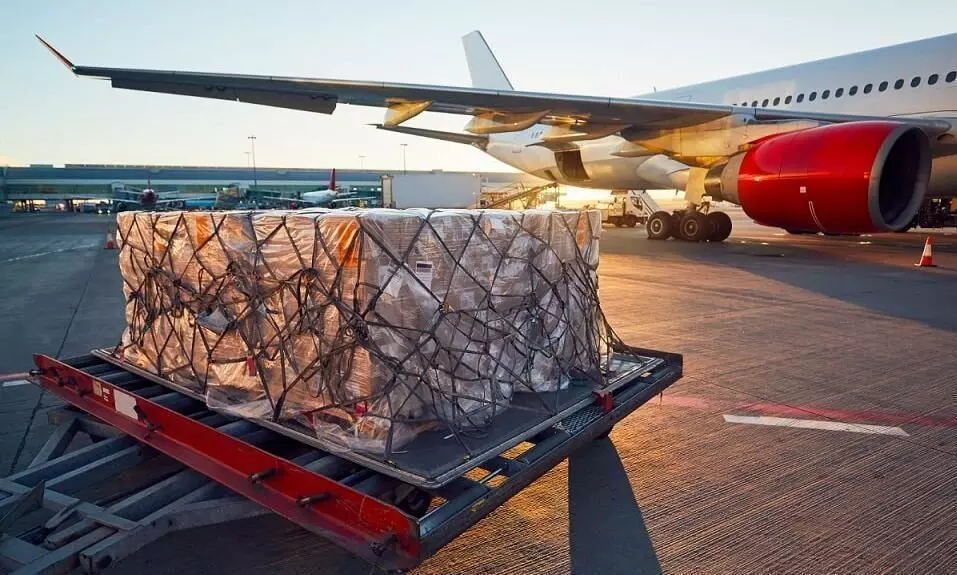
Air freight rates across Asia Pacific are rising sharply as fuel costs surge and capacity tightens, according to Dimerco’s April 2026 Asia Pacific Freight Report. Escalating tensions in the Middle East have driven a steep increase in jet fuel prices, forcing airlines to raise fuel surcharges, adjust operations and reduce available cargo space, resulting in higher and more volatile airfreight costs.
The report notes that the rapid rise in fuel prices is putting significant pressure on the air cargo market, with carriers adjusting fuel surcharges towards the end of March. This is increasing overall logistics costs for shippers while also tightening capacity as airlines respond with reduced flight frequencies and operational changes.
“Logistics providers may implement emergency surcharges amid rising fuel costs and operational uncertainty. While demand remains flat or below last year, capacity constraints and higher fuel costs are expected to keep air freight rates elevated,” said Kathy Liu, Vice President, Global Sales and Marketing at Dimerco Express Group.
Across Northeast Asia, airfreight markets are tightening due to strong semiconductor demand, rerouting and rising fuel surcharges. In Taiwan, capacity remains constrained, particularly on Europe-bound routes affected by disruptions at Middle East hubs. Longer routings and higher fuel costs are driving rate increases of around 20 to 30 percent, while space remains limited across key trade lanes.
South Korea is also experiencing tight conditions, especially on routes to South Asia where reduced freighter supply and strong demand are limiting available space. Fuel surcharge increases and service adjustments are further tightening capacity, requiring shippers to book well in advance.
In China, the airfreight market shows mixed conditions. North China remains relatively stable, although Europe-bound lanes are tightening due to rerouting and airspace disruptions. In East China, rising fuel prices are restricting payload capacity and tightening supply, while South China and Hong Kong are seeing stronger demand, driven largely by e-commerce shipments, pushing rates higher on long-haul routes.
In Southeast Asia, India and Australia, capacity remains tight due to rerouting and demand pressure. Increasing fuel surcharges are driving higher and unstable rates, with shippers required to secure bookings at least five to seven days in advance.
Country-level challenges are adding further pressure. In India, airfreight rates have very short validity periods of 24 to 48 hours, requiring immediate confirmation. In Singapore, outbound capacity remains tight, while in the Philippines, rising fuel costs and supply uncertainty are increasing the risk of reduced flight frequencies and longer transit times.
In North America, airfreight rates have risen by 20 to 50 percent due to fuel surcharges and flight rerouting, with congestion at major hubs and reduced payload capacity further tightening supply. In Europe, the market has entered a period of high volatility, with rates rising sharply and capacity expected to tighten further if disruptions continue.
Alongside market pressures, evolving trade compliance measures are adding another layer of complexity for air cargo. The report highlights the introduction of a temporary 10 percent import surcharge by US authorities, along with multiple ongoing investigations under Section 301 that could lead to additional tariffs, import restrictions or stricter compliance requirements. These developments signal tightening global trade enforcement and may increase cost and regulatory risks for shippers.
Overall, the report indicates that rising fuel costs, geopolitical tensions and regulatory changes are combining to keep airfreight capacity constrained and rates elevated, with continued volatility expected in the near term.