
AFCOM capitalises on cargo disruptions, posting an FY26 profit surge
The Chennai-based cargo carrier recorded total income of Rs 1.92 billion in the fourth quarter, up 87.8 per cent from a year earlier, while net profit rose 72.85 per cent to Rs 446.6 million.
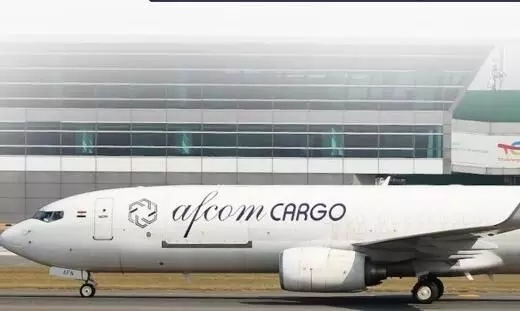
AFCOM Holdings reported a sharp increase in revenue and profit for the quarter and financial year ended March 2026, with the cargo airline benefiting from disruptions to international air freight networks during March that created demand for charter operations across South Asia and the Indian Ocean region. The company said it stepped in to move stranded cargo after several Middle East carriers suspended or altered schedules, leading to a rise in charter activity and aircraft utilisation.
The Chennai-based cargo carrier recorded total income of Rs 1.92 billion in the fourth quarter, up 87.8 per cent from a year earlier, while net profit rose 72.85 per cent to Rs 446.6 million. For the full financial year, total income climbed 143.86 per cent to Rs 5.88 billion, and net profit increased 230.05 per cent to Rs 1.22 billion. EBITDA for FY26 stood at Rs 2.38 billion, a rise of 211.72 per cent, with the EBITDA margin expanding to 40.52 per cent.
Management said the final quarter was among the strongest in the company's history, supported by a combination of scheduled cargo services and a surge in charter demand. According to executives, the conflict-related disruption of airline operations in the Middle East during March created bottlenecks in cargo movement, particularly for shipments headed west from South Asia.
Speaking during the earnings call, the company said, "We all are aware that you know the entire month of March because of the impact of the war. A lot of you know the, you know, disturbance in terms of the scheduled airline operations, particularly the airlines which were operating out of the Middle East, and they have suddenly, you know, had to stop their, uh, you know, schedules because of which there was a huge demand, and we have pitched in, and we have done our best to the best of our ability to, you know, provide a solution, you know, for the stranded cargo."
To address the disruption, AFCOM operated multiple charter flights linking Chennai, Colombo and Malé, creating alternative cargo corridors for freight that would normally transit through Middle Eastern hubs. The company also connected cargo from eastern regions of India to the Maldives before onwards movement toward western destinations. Management said these operations helped move stranded shipments and contributed significantly to fourth-quarter performance.
The scale of charter operations during the quarter reflected this shift in market demand. AFCOM completed 602 trips during the quarter, of which 415 were pure charter services. Average revenue per trip stood at about $29,296, while average revenue per kilogramme reached $2.72. Weekly aircraft utilisation averaged 23.42 trips per aircraft. Management noted that a large share of the company's annual charter activity was concentrated in the final quarter because of the market conditions that emerged in March.
For the full year, AFCOM generated Rs 5.29 billion in revenue from its dry lease cargo operations and completed 1,923 trips, transporting more than 24,353 tonnes of cargo. The company conducted 1,129 pure charter flights during the year, highlighting the growing role of charter services in its business model. Average revenue per trip was reported at $31,243, with an average revenue per kilogramme of $2.54.
The company also expanded its operational footprint during FY26. AFCOM launched freighter services to Dubai World Central, strengthening access to the United Arab Emirates cargo market, and entered into a strategic relationship with Nauru Air Corporation to support its expansion into Australia and Pacific markets. The carrier also inducted a third aircraft into service after receiving regulatory approvals, increasing fleet capacity during a period of growing cargo demand.
During the year, AFCOM raised Rs 2.0 billion through a qualified institutional placement to support fleet expansion plans. It also received recognition as a designated Indian carrier, a status that management said would provide statutory benefits for export operations and reduce operating costs through exemptions on aviation turbine fuel purchases in Tamil Nadu. The company estimates the designation could lower overall operating costs by between 5 per cent and 7 per cent.
Management highlighted the company's role in Chennai's cargo growth. According to data cited during the presentation, Chennai airport recorded international cargo growth of 12.5 per cent, compared with an all-India average of 5.4 per cent. Executives said AFCOM was a significant contributor to that increase because of its concentration of operations at the airport and its expanding international network.
The company also completed its transition to Indian Accounting Standards during the year, aligning reporting practises with mainboard compliance requirements. Management said the shift resulted in changes to the treatment of aircraft lease obligations, depreciation and finance costs, affecting the presentation of profitability and balance sheet items but not the underlying economics of operations.
AFCOM operates as a dedicated international cargo airline focused on scheduled and charter freight services. The company has positioned itself as a specialist operator serving freight forwarders through flexible routing options, dedicated charter services and transshipment solutions across South Asia, the Middle East and other international markets. As global cargo supply chains faced disruptions during the final quarter of FY26, AFCOM's ability to redeploy aircraft across short-haul regional routes enabled it to capture additional demand and deliver its strongest quarterly performance to date.