GEODIS ramps up logistics efficiency with duotrailer investment and HVO trial
GEODIS is investing in Asia-Pacific and Europe to boost sustainable, high-capacity freight operations.
GEODIS, the global transport and logistics company, is advancing its commitment to sustainable, high-capacity freight operations through major investments in both Europe and the Asia-Pacific region.
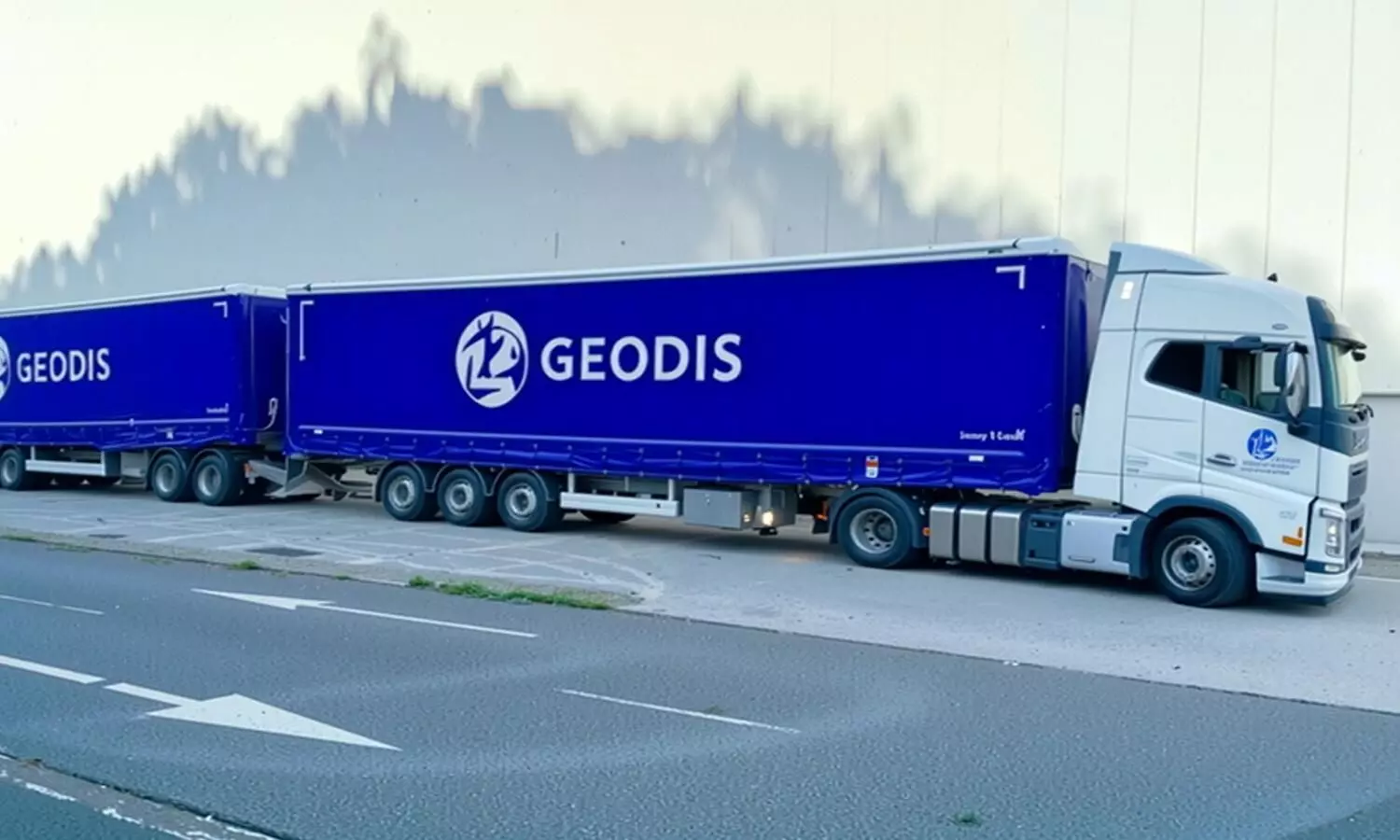
The company's European Road Network activity in Spain is being boosted by an investment in 12 new trailer and tractor units, increasing the specialised fleet in the country to 18.
According to the company’s press release, these vehicles are duotrailers, strategically chosen to meet the growing demand for high-capacity transport, particularly from clients in the paper, steel, and automotive industries.
Marc Vollet, EVP European Road Network activity at GEODIS said, "In addition to the welcome beneficial impact to the environment of their use, with significant CO₂ emission reductions, the duotrailer allows increased productivity, with one tractor and one driver hauling two semi-trailers”
The new tractor units are rated at a potent 640HP, capable of hauling two duotrailers with a combined length of thirty-two meters and a substantial cargo payload of up to seventy-two tonnes. Crucially, this high-efficiency transport method achieves a net reduction in CO2 emissions of over 30% compared to the equivalent traditional trailer units.
Concurrently, GEODIS launched a dedicated Euro-5 truck that is now operating on the route from Singapore to the Thailand-Malaysia border using renewable diesel, also known as hydrotreated vegetable oil (HVO), supplied by Neste, a leading producer of sustainable fuels.
HVO is produced entirely from renewable raw materials such as used cooking oil and animal fat waste. The environmental benefit is enabling an up to 90% reduction in greenhouse gas (GHG) emissions compared to conventional diesel over the fuel’s lifecycle.
This pilot, a collaboration with Neste and Interion, is designed to thoroughly evaluate fuel performance, cross-border operational feasibility, supply chain reliability, and carbon-reduction outcomes.