


DFW Airport CEO charts bold cargo and infrastructure growth strategy
In 2025, Dallas-Fort Worth International Airport processed 717,757 metric tonnes of cargo, with expectations to surpass one million tonnes again.
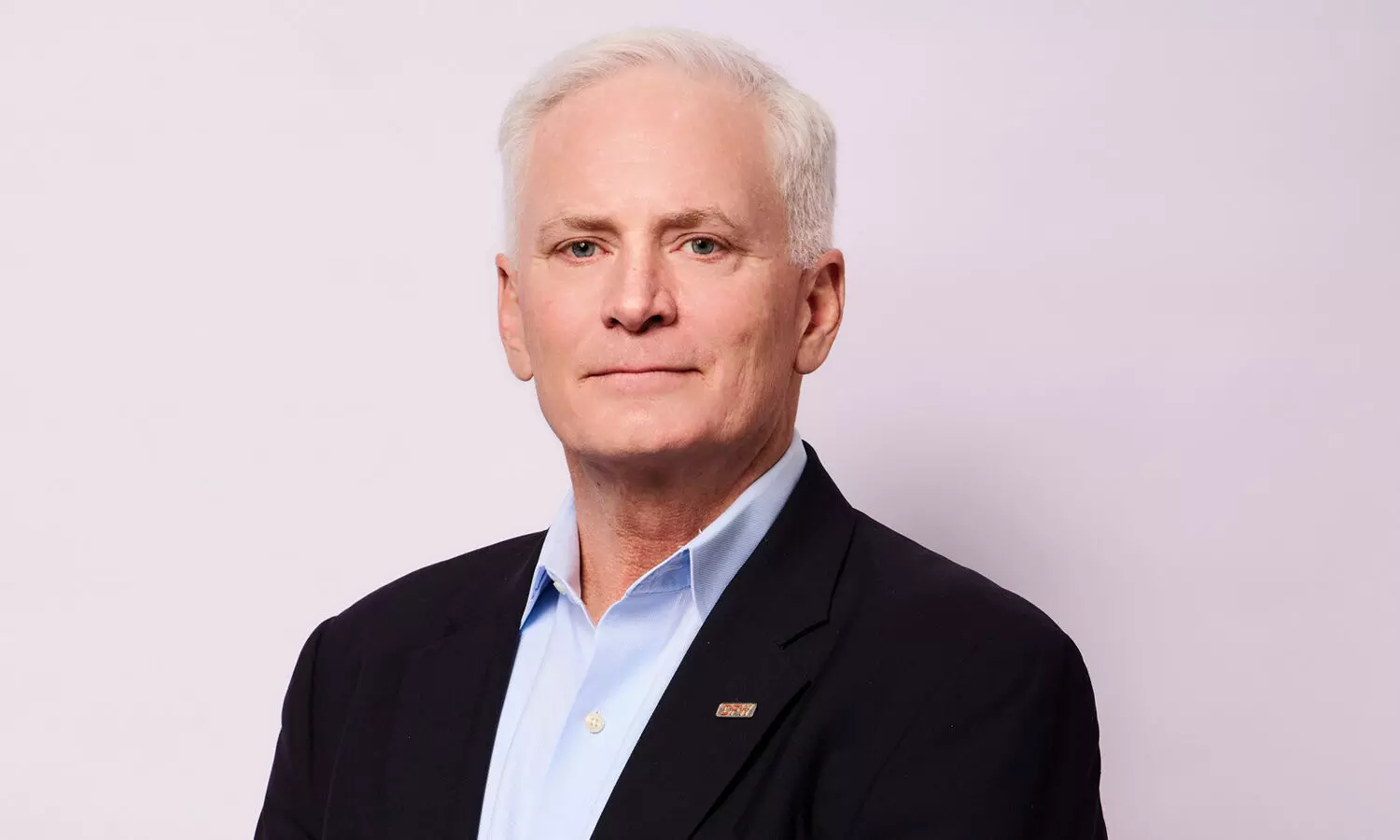
Chris McLaughlin, CEO, Dallas-Fort Worth International Airport
At the recently concluded Air Cargo India exhibition in Mumbai, Chris McLaughlin, CEO of Dallas-Fort Worth International Airport (DFW), outlined his vision for the airport’s future, emphasising cargo expansion, infrastructure investment, and technological innovation. In a wide-ranging conversation with The STAT Trade Times, McLaughlin highlighted DFW’s scale, its $12 billion capital programme, and the growing importance of cargo in shaping the airport’s economic impact.
Continuity and leadership transition
McLaughlin assumed the role of CEO in May 2025, succeeding Sean Donohue, who led DFW for 13 years. Reflecting on his mandate, McLaughlin said the board’s directive was clear: “Don’t screw it up.” He emphasised continuity, relationship-building, and global engagement, noting his visit to Mumbai as part of evaluating DFW’s cargo portfolio.
Scale of operations
DFW is the world’s third busiest commercial airport, spanning 27 square miles (17,000 acres), comparable to the island of Manhattan. The facility includes seven runways, five terminals, three hotels, and even a golf course. In 2025, DFW served over 86 million passengers and operated about 2,200 flights daily, underscoring its role as a global hub.
Future-proofing with technology and land development
McLaughlin stressed the foresight of DFW’s founders, who reserved 7,000 acres for commercial development. Half of that land remains available, offering opportunities for cargo facilities and other ventures. He sees artificial intelligence and robotics as critical tools for operational efficiency, particularly in airspace management and ground operations. “We’re doing things in a new and creative way to ensure efficiency and keep costs at a minimum,” he said.
$12 billion capital programme
DFW is in the midst of a massive $12 billion capital programme. Key projects include: rebuilding Terminal C from the ground up; expanding gates in two existing terminals; constructing a new Terminal F with 31 gates, eight of them wide-body international; refurbishing runways and overhauling roadway systems; and developing new cargo facilities, including cold storage and fumigation centres.
McLaughlin described the programme as “an amazing undertaking” that will add 20% capacity to the airport.
Cargo as a strategic growth driver
Cargo is central to DFW’s future. McLaughlin underscored its role in balancing passenger operations and offsetting costs. He highlighted the symbiotic relationship between belly cargo and passenger routes, citing opportunities for long-haul services such as potential flights from Delhi to DFW.
Recent figures show cargo’s annual economic impact has doubled from $20 billion to $42 billion, representing over 50% of DFW’s regional economic contribution. In 2025, DFW processed 717,757 metric tonnes of cargo, with expectations to surpass one million tonnes again, as seen during the pandemic peak.
Expanding long-haul network
DFW is aggressively expanding its international network. Recent additions include Cathay Pacific, EVA Air, and Royal Jordanian, with American Airlines launching new services to Zurich and Athens. McLaughlin noted that Cathay quickly expanded from four weekly flights to daily service due to strong demand.
India remains a priority market, with McLaughlin expressing optimism about future Air India service from Delhi. He pointed to North Texas’s rapidly growing Indian diaspora, now among the largest in the US, as a strong driver of demand.
Cathay Pacific 747 freighter in retro livery at DFW, marking the airline’s 80th anniversary
E-Commerce and cross-border trade
McLaughlin acknowledged the shifting landscape of cross-border e-commerce, particularly after changes to de minimis rules. While growth from China has slowed, he sees new opportunities in Latin America-to-India trade flows via DFW. The airport’s airside central examination centre, the first of its kind in the US, enhances efficiency for customs clearance and positions DFW as a competitive gateway.
Preparing for the FIFA World Cup 2026
DFW will play a pivotal role during the FIFA World Cup, hosting nine matches, including a semifinal. McLaughlin compared the scale to “nine Super Bowls,” emphasising readiness through expanded terminals, new lounges, and roadway improvements. “We’re excited to share North Texas hospitality with first-time visitors,” he said.
Priorities for the next 18 months
Looking ahead, McLaughlin’s top priority is completing the capital programme. “It’s all construction, all the time,” he remarked, describing nightly work on new train station modules and other infrastructure projects.
Chris McLaughlin’s vision for DFW blends continuity with bold expansion. With cargo driving economic impact, a $12 billion capital programme reshaping infrastructure, and long-haul networks expanding, DFW is positioning itself as a future-proof global hub. As McLaughlin put it, the airport’s strategy is about balancing passengers and cargo while embracing technology to scale operations efficiently.
Watch the full interview with Chris McLaughlin, CEO, Dallas-Fort Worth International Airport.

Editor at STAT Publishing Group since 2013, I lead a small team of reporters in chasing stories about cargo flows from A to Z—by air, sea, road, and rail. If it moves, we track it. Got a compelling lead? Reach me at reji@statpublishinggroup.com (cargo only, please)


