


Human at the core: Digital change as cultural change
Caroline Andrews, Chief Customer and People Officer at IAG Cargo, explains why cultural evolution must keep pace with digital transformation to unlock the full potential of change.
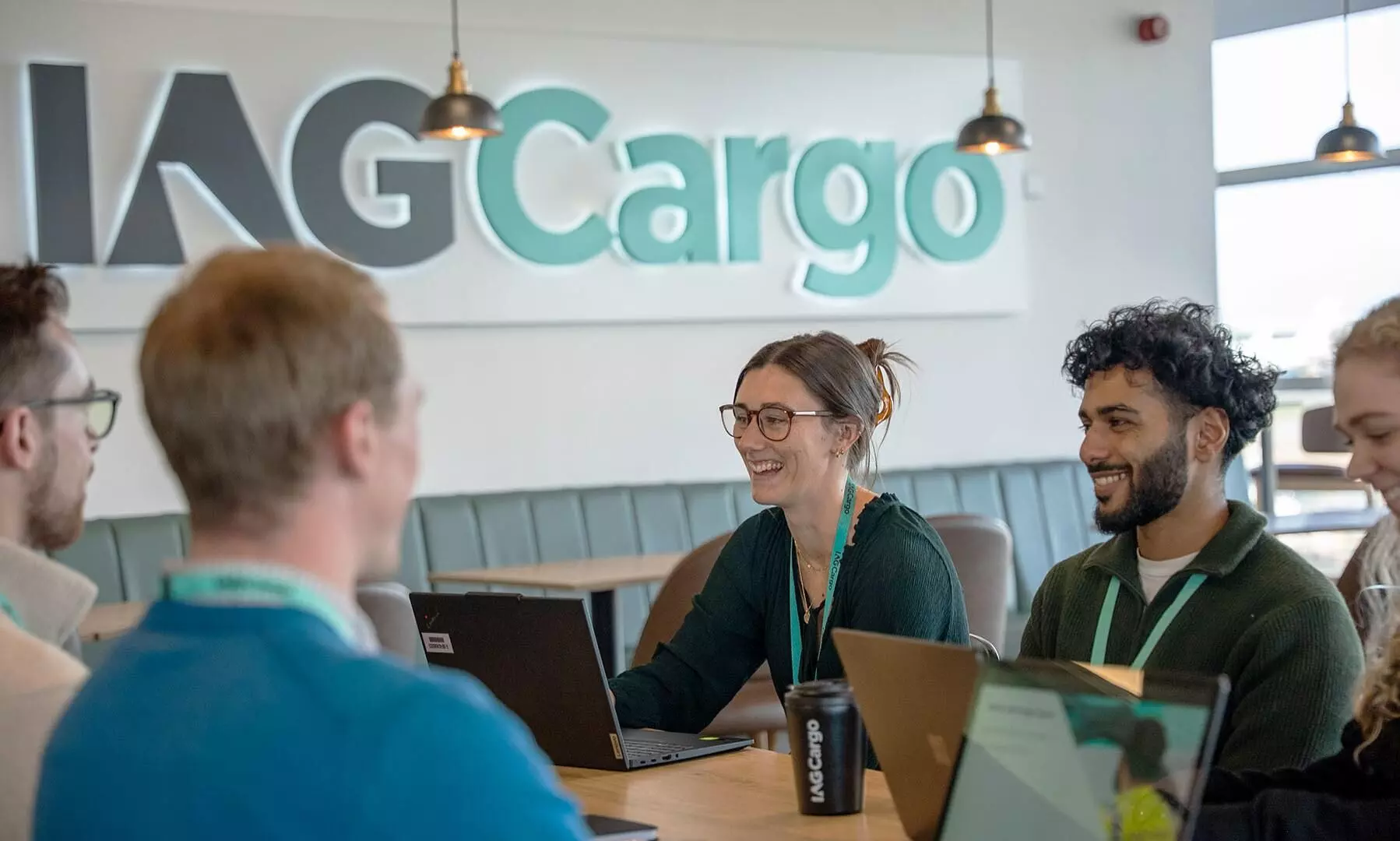
It is no surprise that digital tools are reshaping the pace and precision of how global air cargo is planned, moved and monitored. Paper‑heavy workflows have given way to automation and data‑led operations, reducing manual friction and beginning to link previously siloed activities into more connected ways of working.
But these changes rely on human capability as much as systems architecture. New technology often grabs the headlines, yet its impact ultimately depends on how people adapt to it, how well they understand new processes and how effectively they work across functions. As our systems become more connected and data‑driven, the real differentiator is no longer the tools themselves but the skills and behaviours that allow people to turn those tools into better decisions. A culture that enables and amplifies these capabilities is what turns digital change into lasting progress.
The question then is: how do we build the capabilities and culture that will set up organisations to succeed?
Evolving capabilities
If digital tools are to realise their full potential, the way people engage with information must evolve. Colleagues have long relied on tacit knowledge developed through experience, and that expertise remains essential. But as digital platforms codify and standardise data across the ecosystem, that experience becomes even more powerful when paired with accurate, shared information.
People now need greater fluency in interpreting and enriching data, including the ability to validate it, challenge it when necessary and use it to support sound decisions. These are evolving capabilities that sit at the heart of everyday professionalism in a digital environment. Data stewardship is increasingly a collective responsibility and, when teams approach it with diligence, the whole system becomes more reliable.
Transformation reshapes what we expect from leadership. Today’s leaders must provide clarity, setting direction, defining accountabilities, and articulating outcomes, while sharing context openly and fostering conditions for seamless cross-functional collaboration. In an environment of accelerating change, curiosity, collaboration, and situational awareness emerge as essential leadership behaviours, enabling teams to navigate complexity with confidence and agility. Technology strengthens these behaviours when introduced with purpose. Automation streamlines transactional and repetitive tasks, empowering colleagues to focus on what truly matters – exercising judgment, safeguarding operations, and building meaningful customer relationships. Tools that enhance load planning, improve milestone accuracy or support predictive analytics help people make more effective decisions. The essential step is ensuring teams are equipped to use these tools confidently – and recognised for the judgment, insight, and expertise that turn technology into real value.
Human qualities will always remain central to safe and resilient operations. Safety and compliance rely on personal accountability, supported by an ethical mindset that recognises the implications of every decision. Adaptability also plays a role; cargo movements rarely follow perfect patterns. It is the ingenuity and adaptability of frontline teams that keep freight moving, finding solutions in the face of constraints and unexpected challenges.
Culture as the driver of future readiness
We are already seeing greater interoperability, more predictive capability and wider automation take shape, and roles are evolving alongside this shift. Colleagues are spending less time on routine tasks and more time on analysis, problem solving and orchestrating complex networks. Responsibility for data quality will increase, and hybrid skills (operational knowledge combined with analytical insight) will become central to performance. Continuous learning will be a defining feature of career progression as responsibilities expand.
Building new capabilities requires a culture where learning is embedded and encouraged in day-to-day work. This is developed through practical experience and shared understanding; from scenario-based training and data literacy programmes to cross-functional rotations and leadership development aligned to the realities of the business. Together, these initiatives create an environment in which people and technology advance in step, and they must be prioritised as the foundation for future resilience.
Other sectors already demonstrate these dynamics. In healthcare, decision support tools strengthen professional judgement through transparency and human oversight. Financial services show the value of real-time monitoring paired with skilled human intervention. Retail logistics demonstrate how visibility platforms support consistent promise-keeping. Across all three, culture and capability shape how effectively technology delivers its benefits.
As in other sectors, air cargo is at an inflection point. Digital transformation can unlock significant and sustainable value – improving efficiency, resilience, and customer experience – but progress depends on cultural evolution. When colleagues share accountability for outcomes and engage confidently with data, the system becomes stronger and more adaptive. Digital change becomes cultural change when people develop alongside technology, bringing judgment, diligence, and professionalism to every decision.
The views and opinions expressed in this article are those of the author and do not necessarily reflect the views of The STAT Trade Times.
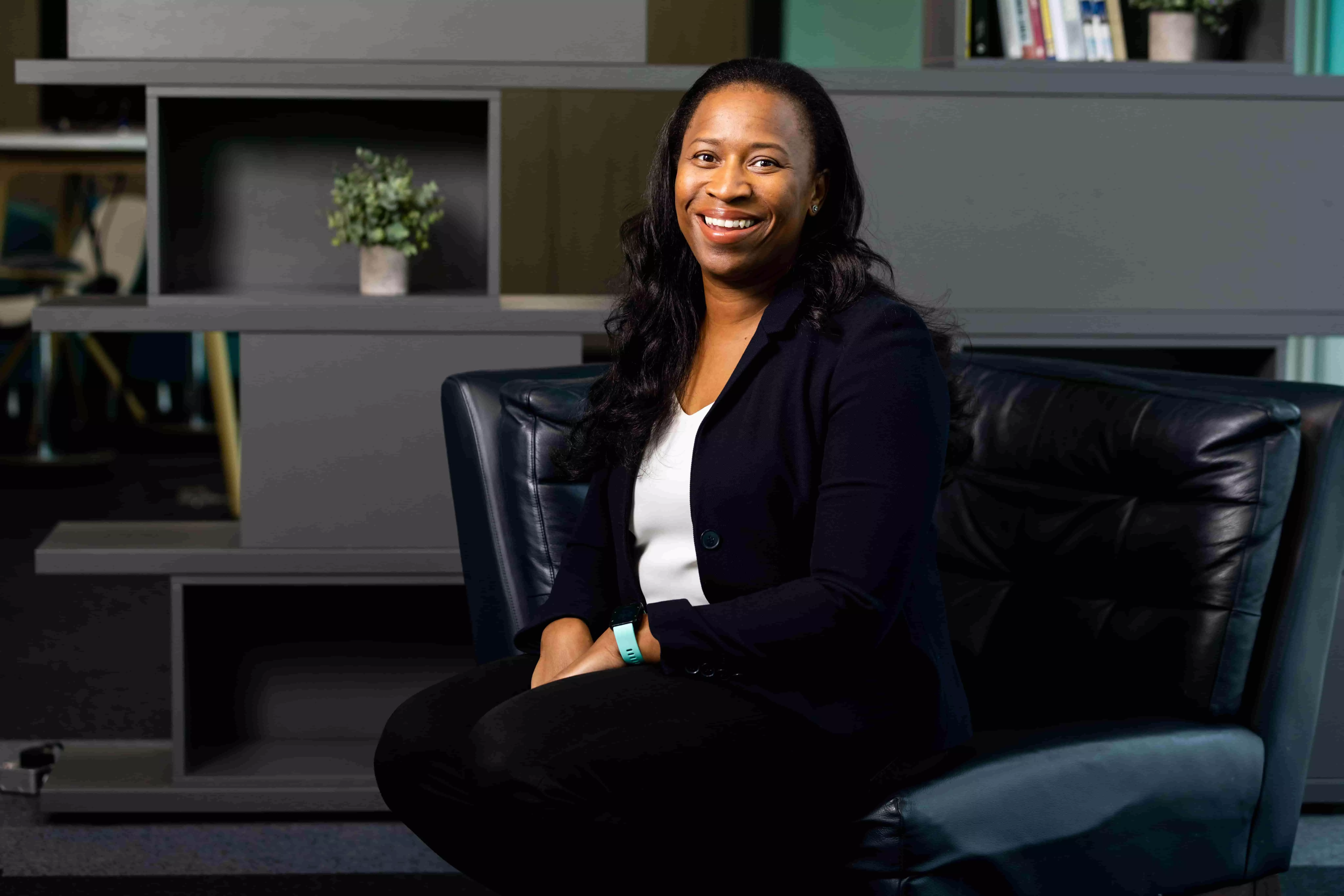
Caroline Andrews, Chief Customer and People Officer, IAG Cargo


