
Hactl expands Green Cargo Terminal push with safety measures
In its Sustainability Report 2025, Hactl said it continued investing in operational resilience, cargo safety technologies and lower-emission ground handling operations.
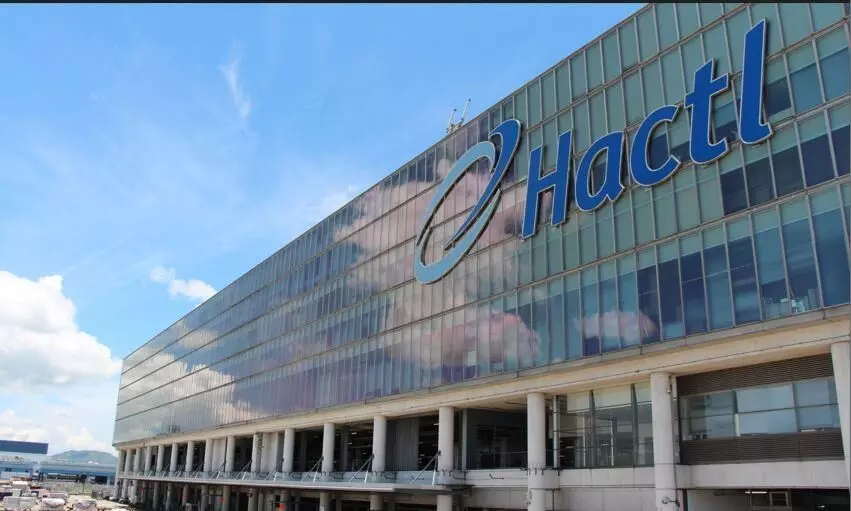
Hong Kong Air Cargo Terminals Limited (Hactl) said its sustainability strategy in 2025 focused on strengthening safety systems, terminal operations and emissions reduction initiatives across its air cargo handling business at Hong Kong International Airport. The company said the programme forms part of preparations as it approaches its 50th anniversary in 2026 and continues positioning SuperTerminal 1 as a green cargo terminal.
In its Sustainability Report 2025, Hactl said it continued investing in operational resilience, cargo safety technologies and lower-emission ground handling operations while expanding sustainability programmes across its terminal activities. The report said the company aligned its sustainability strategy around people, partners, planet and governance, with targeted actions linked to aviation and freight operations.
A major focus area during the year was the adoption of renewable diesel for ground service equipment. Hactl signed a memorandum of understanding with Shell to support wider use of hydrotreated vegetable oil across its fleet servicing cargo operations. Acting Chief Executive Michelle Choi said the partnership would support emissions reductions while maintaining operational continuity across the terminal’s ground handling network.
The company also expanded its Intelligent Cargo Thermal Detection System at SuperTerminal 1. Hactl said phase two of the programme introduced thermal scanning for bulk cargo during cargo acceptance, adding another layer of monitoring before shipment handling and aircraft loading. The company said the system combines thermal imaging, thermodynamics, fluid mechanics, AI and data analytics to identify abnormal temperature conditions and mitigate fire risks linked to hazardous cargo, including lithium battery shipments.
Hactl said the thermal detection programme followed the launch of phase one in December 2023, when it became the first air cargo terminal globally to deploy the technology for monitoring cargo temperatures immediately before aircraft loading. The company said the system provides real-time temperature alerts to reduce risks for airlines, airports and cargo handlers handling dangerous goods shipments.
The report said Hactl plans to extend the thermal monitoring technology further into export pre-packed cargo acceptance operations. The company said the move forms part of wider efforts to strengthen safety standards and maintain operational controls within cargo handling processes.
Hactl also highlighted the Green Terminal programme launched in 2018 as a framework supporting sustainability initiatives across its air cargo operations. The company said the programme aims to integrate sustainability into terminal management, supply chain coordination and airport community collaboration while supporting Hong Kong’s logistics sector.
The report said Hactl continued working with airport stakeholders through the Green Terminal Pact, which promotes sustainable operational practises among airport tenants and logistics operators. The company said the initiative supports coordinated environmental action across the Hong Kong International Airport cargo ecosystem.
Operational safety remained another focus area across terminal activities. Hactl said its Occupational Health and Safety Management System continued supporting cargo handling, ramp operations and warehouse activities through inspections, incident management systems and operational risk monitoring. The company reported a 69 per cent reduction in work-related injuries since 2018.
The company said it expanded use of its Smart Safety Management System, which uses real-time operational data to strengthen reporting and safety controls across terminal activities. Hactl also maintained procedures covering job hazard analysis, incident response and safety reporting mechanisms across its operational workforce.
Hactl said emergency preparedness remained integrated into its cargo operations through fire drills, power outage exercises, IT disaster recovery simulations and chemical spillage response planning. The company said these exercises were designed to support operational continuity and protect personnel, assets and cargo during disruptions affecting terminal operations.
The report also outlined workplace measures introduced to support outdoor cargo handling staff working in high temperatures. Hactl said more than 300 frontline employees received cooling vests fitted with fans and cooling packs to reduce heat exposure risks during ramp and cargo operations at the airport terminal.
Hactl further said it continued industry collaboration through its International Forklift and Pallet Building Competition, which brought together airline partners at Super Terminal 1 to reinforce operational safety and cargo handling standards aligned with IATA procedures.
The report said Hactl also strengthened governance controls linked to air cargo operations during the year. The company became one of the first two ground handlers in Asia to receive IATA Security Management System certification at the highest level for new entrants. It also secured ISO 27001 certification for its COSAC-Plus cargo management system.