
Air Canada CEO resigns after bilingualism backlash
Air Canada faces leadership transition as CEO Rousseau retires following bilingualism controversy sparked by LaGuardia crash condolences.
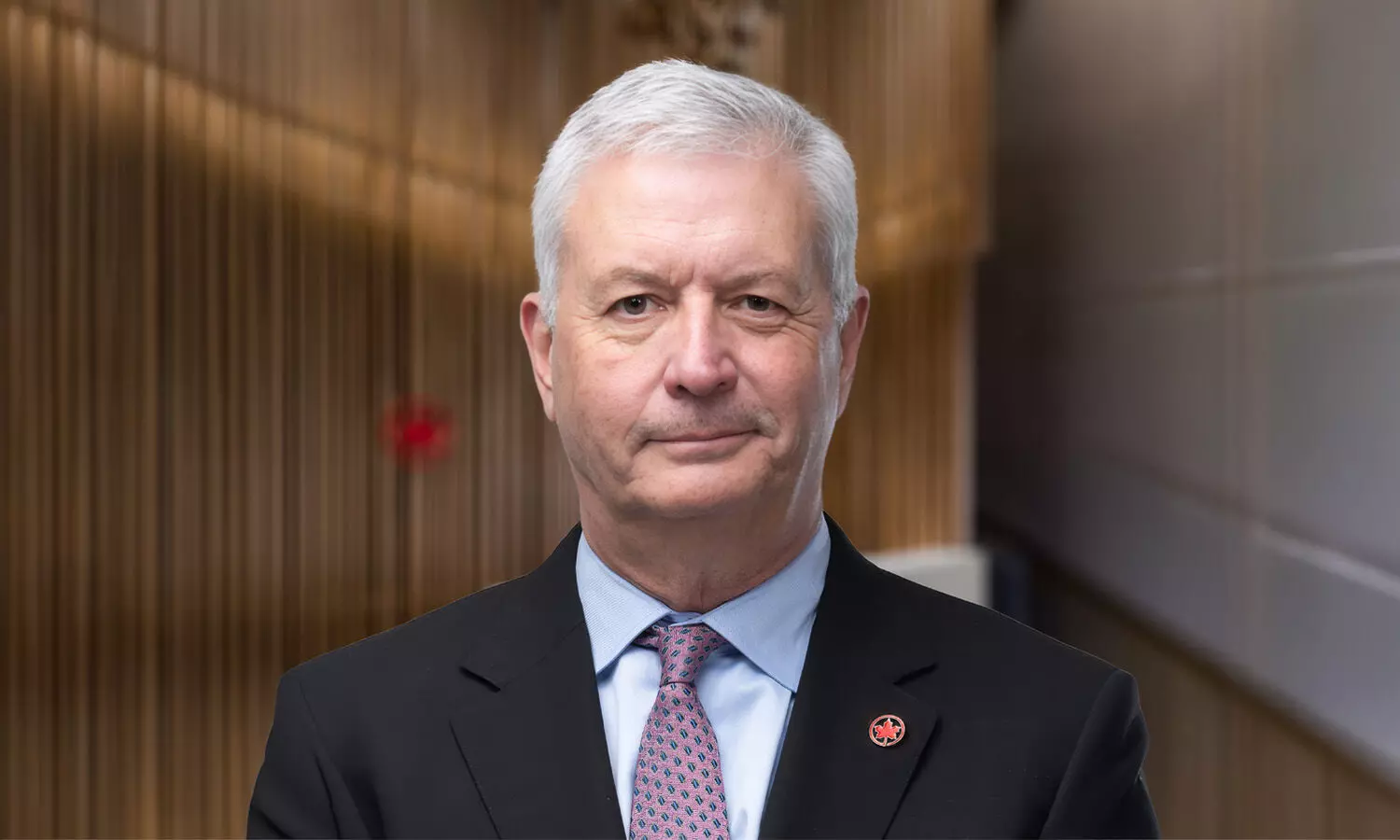
Michael Rousseau, CEO of Air Canada
Air Canada chief executive Michael Rousseau has announced his retirement following mounting criticism over his English-only condolence message after last week’s fatal runway collision at New York’s LaGuardia Airport that claimed the lives of two pilots, including Quebec-born Antoine Forest.
Rousseau’s video statement, delivered solely in English, sparked outrage in Quebec, where bilingualism is not only a cultural expectation but a legal requirement for national institutions headquartered in Montreal. Despite later apologising and acknowledging his inability to express himself “adequately” in French, the backlash intensified.
Quebec’s premier condemned the message and demanded Rousseau’s resignation, a call echoed by opposition critics. Prime Minister Mark Carney added that the CEO’s failure to address Canadians in both official languages showed “a lack of compassion and judgement".
The Caisse de dépôt et placement du Québec (CDPQ), Air Canada’s largest shareholder and manager of Quebec’s public pension funds, publicly criticised Rousseau’s statement and pressed for leadership change. Local political influence amplified CDPQ’s stance, increasing pressure on the airline’s board.
On Monday (30 March), Air Canada’s Board of Directors confirmed Rousseau will retire by the end of the third quarter of 2026. Chair Vagn Sørensen praised Rousseau’s nearly two decades of leadership, citing his role in steering the airline through crises, including the 2008 financial downturn and the Covid-19 pandemic, as well as achievements such as the Aeroplan acquisition and pension plan recovery.
“Our upcoming AGM will allow us to further recognise his achievements, which include a legacy of financial strength,” Sørensen said. Rousseau will remain in his role until the transition is complete.
The board noted that succession planning has been underway for two years, with both internal development and an external global search. Among the names circulating is Mark Galardo, Air Canada’s executive vice president, chief commercial officer, and president of cargo.
Galardo, a 22-year veteran of the airline, is widely regarded as a protégé of Benjamin Smith, the former Air Canada COO who left in 2018 to lead Air France-KLM. His bilingual fluency and deep operational experience position him as a strong candidate, though the board has emphasised that French-language proficiency will be a key criterion in selecting Rousseau’s successor.
Air Canada, headquartered in Montreal, faces heightened scrutiny over its commitment to bilingualism and cultural sensitivity. The leadership transition will test the airline’s ability to balance shareholder expectations, political pressures, and operational stability while reaffirming its identity as Canada’s national carrier.
There is a growing expectation that global corporations demonstrate cultural sensitivity and align with broader political narratives when appointing leaders to key positions. In India, the country’s two largest airlines by market share — IndiGo and Air India — are both in the midst of CEO transitions.
Earlier this month, Pieter Elbers resigned from IndiGo with immediate effect, without serving a notice period. Meanwhile, Air India CEO Campbell Wilson is unlikely to see his contract renewed, and the Tata Group-owned carrier has begun searching for his replacement. These leadership changes come against the backdrop of serious operational and safety challenges faced by both airlines in recent months.