
Women navigating crisis keep global cargo moving behind scenes
From ground handlers to forwarders, women help manage disruptions and keep global cargo networks moving.
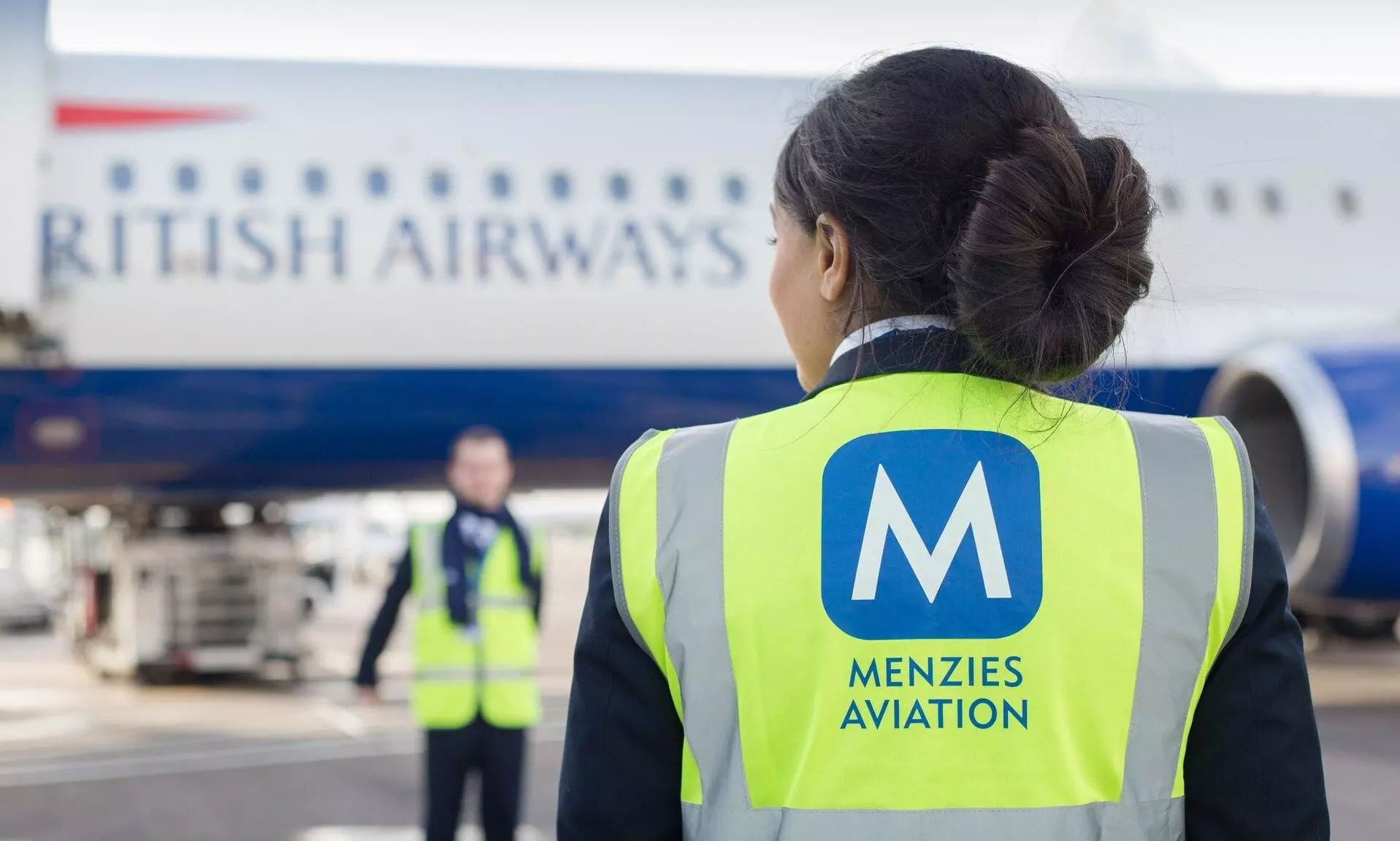
On most days, the world’s air cargo network runs with quiet precision. Aircraft lift off on schedule, shipments move across continents, and supply chains flow almost invisibly through airports and logistics hubs.
But when crises strike, the rhythm changes.
Flights are suddenly rerouted. Cargo volumes shift. Schedules tighten. Decisions that normally take hours must be made in minutes.
And somewhere behind the scenes, far from the aircraft and cargo pallets, teams of professionals are working relentlessly to keep the system moving.
Increasingly, many of them are women.
This Women’s Day, their voices offer a glimpse into a side of the cargo industry that rarely makes headlines: the people navigating uncertainty while ensuring the global flow of goods never stops.
Across the Middle East and surrounding regions, geopolitical tensions have recently forced airlines and logistics providers to adapt quickly. Routes can change overnight, capacity can tighten, and supply chains that span multiple continents suddenly require new solutions.
For ground handling teams, the impact is often felt immediately.
At Menzies Aviation, cargo operations continue around the clock, ensuring shipments are ready the moment flights become available.
For Al-Anood Al-Suwaidi, Senior Vice President Cargo for the Middle East, Africa and Asia, the challenge is not just operational, it is human.
Across airports in the region, teams are constantly adjusting to flight delays, schedule changes and sudden rerouting. In such moments, she says, resilience and teamwork become essential.
Cargo professionals on the ground must respond quickly, often coordinating with airlines, freight forwarders and agents to ensure shipments find alternative paths when plans change.
In an industry where reliability is everything, even small disruptions can ripple across the supply chain. That is why communication becomes the backbone of operations during uncertain times.
When it comes to decision making women often approach challenges with a strong sense of fairness carefully weighing what is right versus what is simply advantageous.
Al-Anood Al-Suwaidi, Menzies Aviation
Al-Suwaidi explains that maintaining constant dialogue between all players like airlines, handlers and logistics partners, helps ensure that cargo continues moving despite challenges. Staying connected allows teams to anticipate problems early and implement alternative solutions before disruptions grow larger.
While ground handlers manage the physical flow of cargo, freight forwarders are navigating another layer of complexity: redesigning supply chains in real time.
At DHL Global Forwarding, logistics teams rely on contingency plans that have been tested long before crises appear.
According to Mary Oxley, Vice President Sales and Marketing for the Middle East and Africa, freight forwarders activate structured business continuity strategies rather than reacting on the spot.
That means cargo can quickly be rerouted through alternative gateways or shifted between different modes of transport like air, ocean or multimodal depending on which corridors remain open.
I personally think that female professionals are often exceptionally strong in collaboration, communication, resilience, and structured problem‑solving.
DHL Global Forwarding
The real challenge for customers, she notes, is often uncertainty.
When conditions change rapidly, businesses need confidence that their logistics partners are operating with clear plans rather than improvising in real time. Reliable information and proactive communication allow companies to adjust their operations and maintain control even when transit times become less predictable.
Technology has become a powerful ally in this process.
Digital platforms now provide real-time shipment visibility, allowing customers to see where their cargo is and anticipate potential delays. Predictive analytics can even help identify risks before they affect supply chains, giving logistics teams the ability to make proactive decisions rather than simply reacting to problems.
Yet the story of cargo resilience is not limited to the largest logistics hubs.
Thousands of miles away, in the Indian Ocean, another part of the cargo network quietly connects global trade routes.
At Velana International Airport, cargo operations support an island nation whose economy relies heavily on air connectivity.
For Nashaya Abdul Wahid, Head of Air Service Development at Maldives Airports Company Limited, maintaining strong airline connections is critical.
Velana International Airport operates within a network that stretches across Asia-Pacific, Europe and the CIS region. When disruptions affect Gulf carriers like key players in regional connectivity, the impact can be felt in cargo capacity.
But diversification has become a strength.
By maintaining a broad airline network, the airport can continue supporting major trade corridors and even position itself as a potential transshipment hub within the Indian Ocean.
Adaptability, Wahid says, is key. Close collaboration with airlines and cargo partners allows the airport to respond quickly to network changes and identify rerouting opportunities when necessary.
Beyond the operational challenges, however, each of these leaders sees a deeper transformation taking place within the industry.
For decades, aviation logistics was largely male dominated.
But today, the landscape is changing.
Women are increasingly taking on roles in cargo operations, airport management, supply chain planning and logistics leadership.
Al-Suwaidi believes that diverse leadership strengthens decision-making by bringing different perspectives into complex situations. Collaboration, empathy and balanced judgement, she says, can help organizations navigate difficult choices.
Oxley sees a similar shift in the logistics world. The skills most needed during disruptions like communication, resilience and structured problem solving are areas where diverse teams thrive.
The change, she believes, is not about proving capability. Women have always possessed the necessary skills. What is evolving is the industry’s recognition of how valuable diverse leadership can be when navigating complexity.
For Wahid, the transformation is particularly visible in emerging aviation markets.
Women, she says, are gradually gaining more opportunities to contribute, learn and lead within the air cargo sector. Their presence is helping strengthen the industry as it adapts to new challenges.
Yet every leader agrees on one thing: the journey requires determination.
Al-Suwaidi encourages young women entering aviation logistics to remain confident and resilient, even in difficult environments. The industry moves quickly and can be demanding, but it offers rewarding opportunities for those willing to grow.
Oxley highlights the role companies must play in opening doors through mentorship programs, leadership development initiatives and greater visibility for female professionals.
And Wahid offers a simple message to the next generation: stay curious, stay adaptable and keep learning.
Because in air cargo, no two days are the same.
Routes will change. Markets will shift. Crises will come and go.
But as the industry evolves, one thing is becoming increasingly clear.
Behind the movement of global cargo, behind the aircraft, the containers and the supply chains women are quietly helping steer the system forward.