Why trade is no longer just about moving cargo
Peterson says goods, data and finance must move together. Ignoring one flow weakens the entire supply chain.
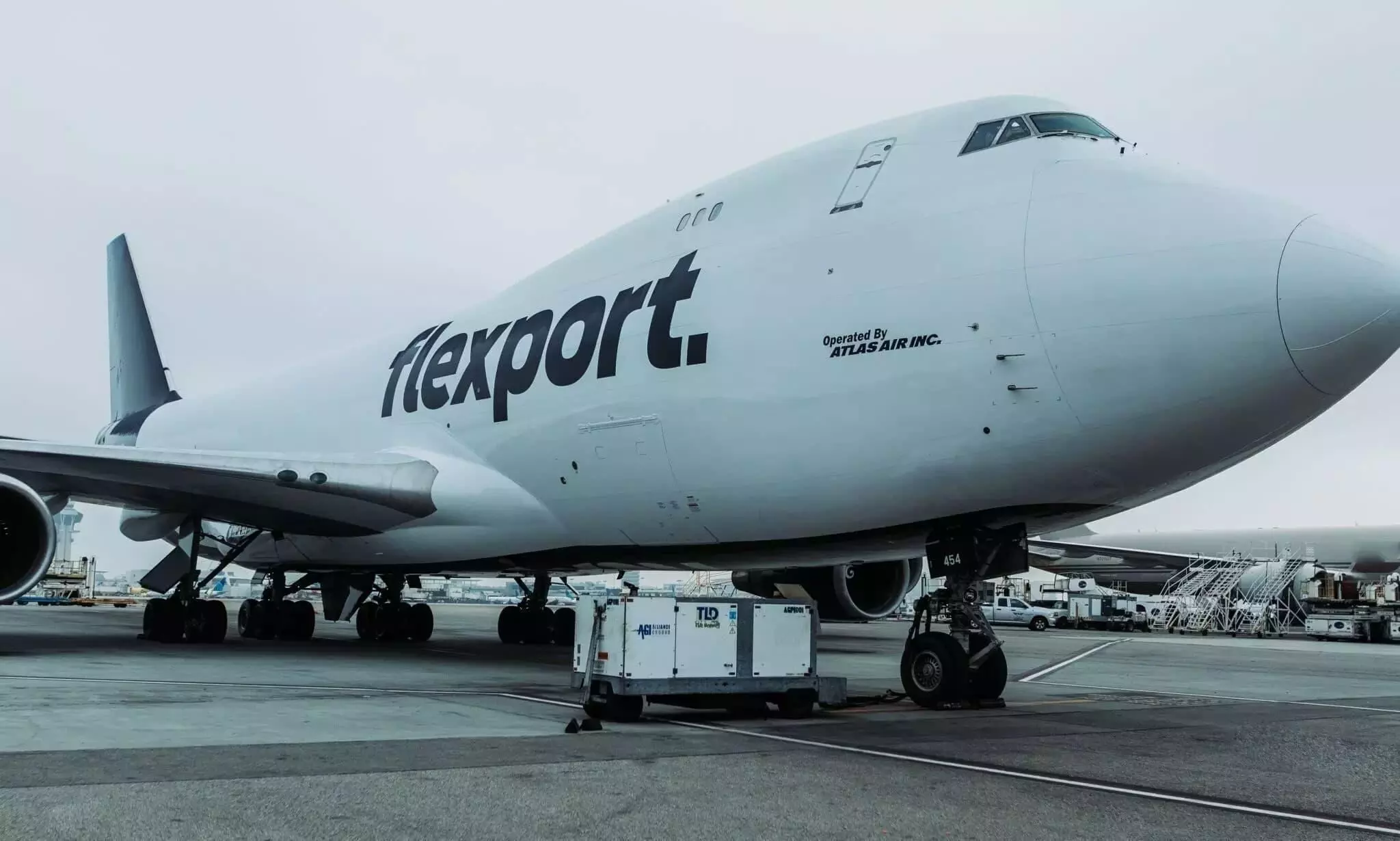
Atlas Air operated B747-400 freighter in Flexport livery. It operates between Asia and Flexport’s freighter bases in Los Angeles and Chicago. (Photo Credit: Flexport/LinkedIn)
We often think of global trade as simply moving cargo — ships, aircraft, containers, and ports. But according to Ryan Peterson, Founder and CEO of Flexport, that’s only part of the story.
Every shipment, he explains, moves through three flows at once: goods, data, and finance.
The first is the flow of goods that move from factories to ports, onto ships or aircraft, and across borders. This is where the logistics industry has traditionally focused its energy in speed, capacity and routes.
But alongside the cargo runs a second flow: data. Commercial invoices, HS codes, customs filings, shipment updates, inventory records. Peterson points out that much of this information still sits in emails, PDFs and Excel sheets. When this data is incomplete or incorrect, shipments get delayed, even if the cargo itself has moved on time.
Then there is the third flow: finance. Duties must be calculated correctly. Tariffs must be paid. Freight invoices must be settled. Cash flow depends on when goods arrive and clear customs. If financial calculations are wrong, the cost impact can be severe.
Peterson’s argument is simple. These three flows are deeply connected, but the industry still manages them separately. Forwarders move goods. Banks handle finance. Software firms manage data. But trade does not operate in silos.
If a container arrives but the customs data is wrong, the shipment stalls. If tariffs are miscalculated, companies overpay or face penalties. When one flow breaks, the others slow down too.
He believes the future of global trade lies in synchronising all three in real time. When cargo moves, the data should update instantly. When tariff rules change, financial calculations should adjust immediately. Control over trade, he suggests, now depends as much on data and money as it does on transport.
This shift also changes who logistics companies compete with. It is no longer just forwarder versus forwarder. It is forwarders competing with fintech firms, customs tech providers and enterprise software platforms. Because whoever controls the data and the financial logic attached to shipments controls much more than the cargo itself.
In a world of rising tariffs and tighter compliance, this matters even more. Errors are expensive. Delays are costly. And visibility is power.
In a world of rising tariffs and tighter compliance, visibility and accuracy across all three flows are no longer optional; they are the new foundation of global trade.