
Roses at 35,000 feet: The Valentine’s cargo rush
From Quito to Miami, millions of stems move in weeks under strict timelines.
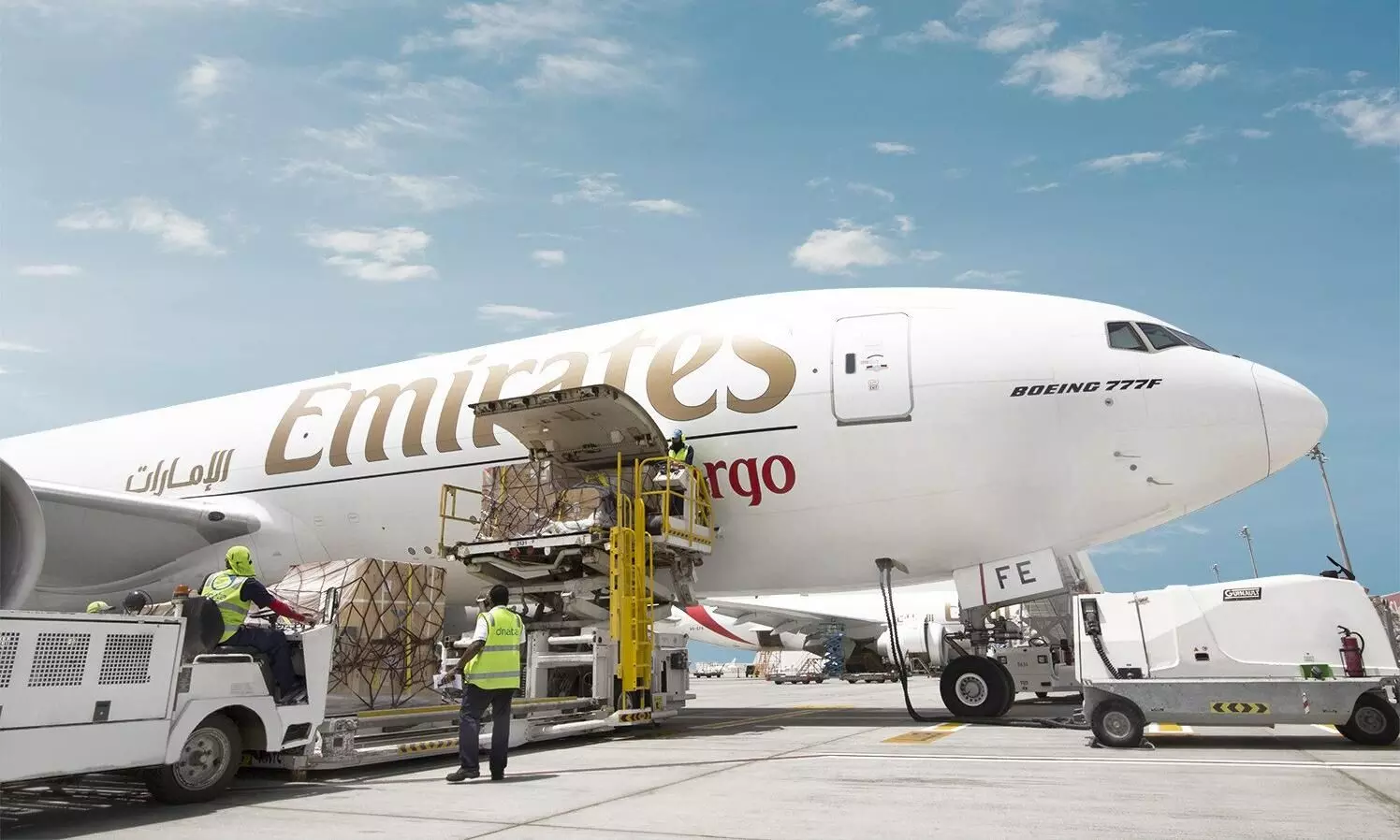
On Valentine’s Day, love does not just travel in text messages and dinner reservations. It flies.
Before a single rose reaches a dinner table in London, New York or Dubai, it has already crossed continents. It has been cut at dawn on a farm in Kenya or Ecuador, rushed into a cold room within hours, loaded onto a freighter, and lifted into the night sky.
Every February, the global air cargo industry enters one of its most demanding seasonal peaks. Not for electronics. Not for pharmaceuticals. But for flowers.
Valentine’s Day has evolved into one of the largest annual movements of perishables by air. Behind the retail celebrations lies a highly structured logistics operation that begins months in advance, involves multiple continents, and compresses extraordinary volumes into just a few critical weeks.
Planning months in advance: Capacity before romance
For airlines, Valentine’s Day does not begin in February. It begins in October.
At Emirates SkyCargo, planning for both scheduled and charter flower operations starts several months ahead, typically by October or November of the preceding year. Agreements are finalised by January to ensure sufficient capacity is locked in before the seasonal spike begins.
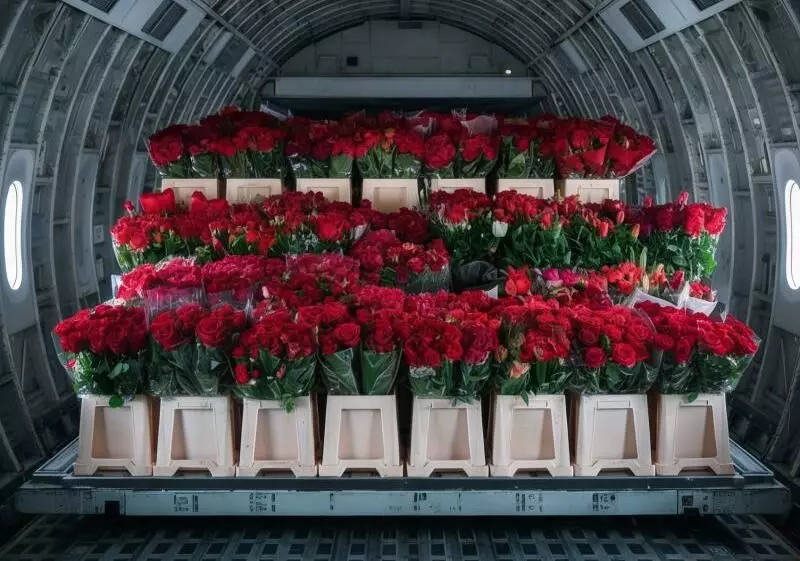
In 2026, the carrier operated 17 dedicated freighter flights ahead of Valentine’s Day, 14 from Quito in Ecuador and three from Nairobi in Kenya. Its Boeing 777 freighters, each capable of carrying more than 100 tonnes, moved between 60 and 80 million stems in total on these dedicated services, with Amsterdam serving as the primary destination for most of the shipments.
For Valentine’s 2026 alone, Emirates SkyCargo transported around 3,800 tonnes of flowers on dedicated freighters. Given that it moves approximately 30,000 tonnes of flowers annually, this means that more than 10% of its yearly flower volumes were concentrated into the early weeks of February. To maintain quality, the airline deployed its Emirates Fresh Breathe solution, including temperature-controlled storage, specialised cool chain handling, and ventilated cool dollies designed to maintain airflow and stable temperatures during transfers and transhipments.
Latin America to North America: The core trade lane
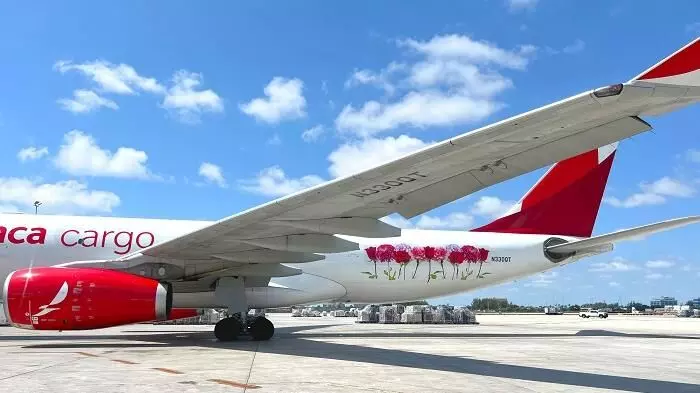
The most intense flower flows originate in Colombia and Ecuador, two of the world’s largest exporters of fresh cut flowers. During the 2026 Valentine’s peak, Avianca Cargo transported more than 19,000 tonnes of flowers to the United States, operating nearly 320 freighter flights over roughly three weeks. On peak days, departures were scheduled almost every hour, reflecting the scale and urgency of the season.
East Africa represents another critical origin market during the Valentine surge. In Kenya, flower exports typically rise by up to 40% in the run-up to Valentine’s Day, as demand compresses global shipments into a narrow delivery window, according to DHL Global Forwarding. In early 2025 alone, approximately 5,000 tonnes of flowers were exported from Nairobi over a two-week period, with red roses accounting for more than half of the volume.
To support the spike, airlines increased air cargo capacity out of Nairobi by as much as 120%, with Europe absorbing the majority of shipments. “For the Kenyan floriculture industry, the Valentine season is a make-or-break period,” says Pramod Bagalwadi, CEO Eastern Africa at DHL Global Forwarding. “The volume multiplies in a matter of weeks, and every part of the chain has to work in close alignment from farm to cold storage to uplift. We are also seeing more direct shipments into multiple regions, reflecting the changing dynamics of global flower distribution.”
LATAM Group, through its cargo affiliates, also concluded the 2026 Valentine’s season as the leading carrier of flowers from Colombia and Ecuador to the United States for the fourth consecutive year. In just over three weeks, the group transported more than 24,000 tonnes of flowers to the United States and Europe, reinforcing its dominant position in the trade.
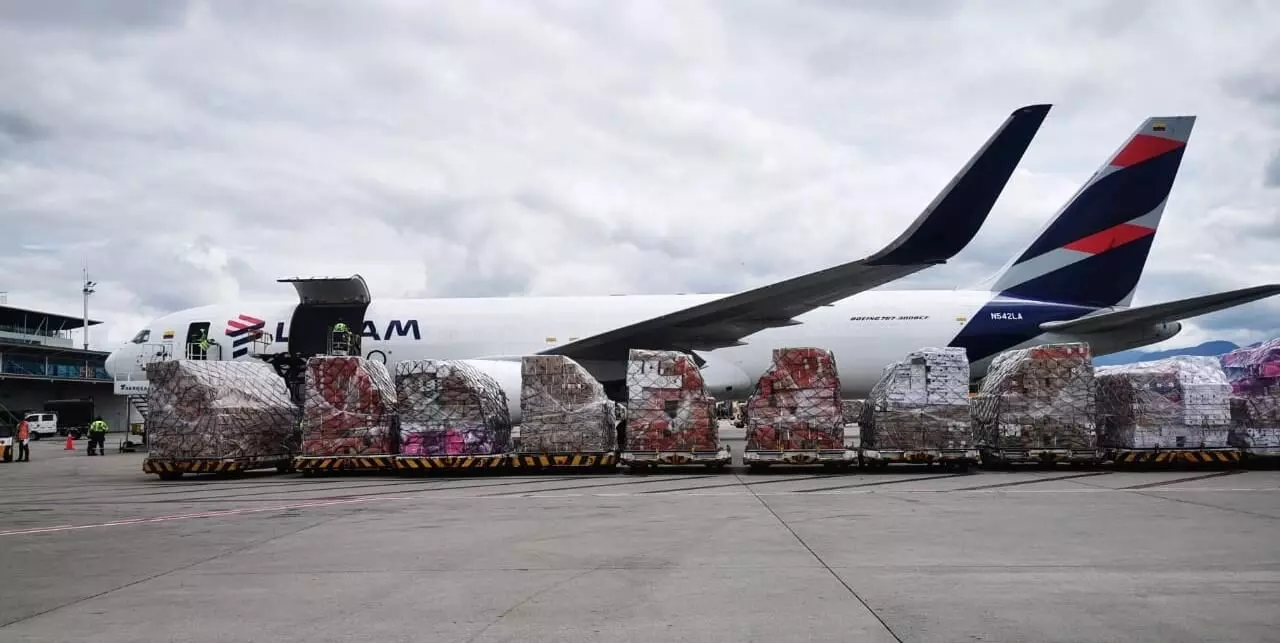
To meet peak demand, LATAM deployed approximately 430 flights from Bogotá, Medellín and Quito, ensuring direct connectivity to the United States, the primary destination for the flowers transported. Of the total volume, around 12,000 tonnes originated in Ecuador, while more than 12,300 tonnes were shipped from Colombia. The operation relied on the group’s dedicated freighter fleet, complemented by belly capacity from passenger aircraft, enabling flexibility and sustained on-time performance throughout the season
A significant portion of this traffic moved through Miami International Airport, the main gateway for US flower imports. The airport plays a central role in handling, inspection and onward distribution across the American market during the Valentine’s rush.
Alongside Avianca, Atlas Air deployed its Boeing 747 freighters to transport 8,195 tonnes of flowers from Colombia and Ecuador to the United States and the Netherlands. At peak, the airline operated up to five flights per day, ensuring that flowers reached destination markets within 24 to 48 hours of departure. The use of high-capacity freighters such as the 747 underscores how critical widebody cargo aircraft are to sustaining the seasonal surge.
Europe’s role: Hubs, auctions and redistribution
Europe remains another central axis in the Valentine’s flower network. SWISS WorldCargo transports around 990 tonnes of flowers annually. In the run-up to Valentine’s Day in 2025, it handled an additional 90 tonnes, including a record 22 tonnes uplifted in a single day in February.
Many shipments from Africa and Latin America land in Amsterdam, one of the world’s largest flower trading hubs. From there, flowers are auctioned and redistributed across Europe within tight timelines. The concentration of volumes during February adds pressure not only on aircraft capacity but also on ground handling, cold storage and onward trucking networks.
The Middle East as a transit bridge
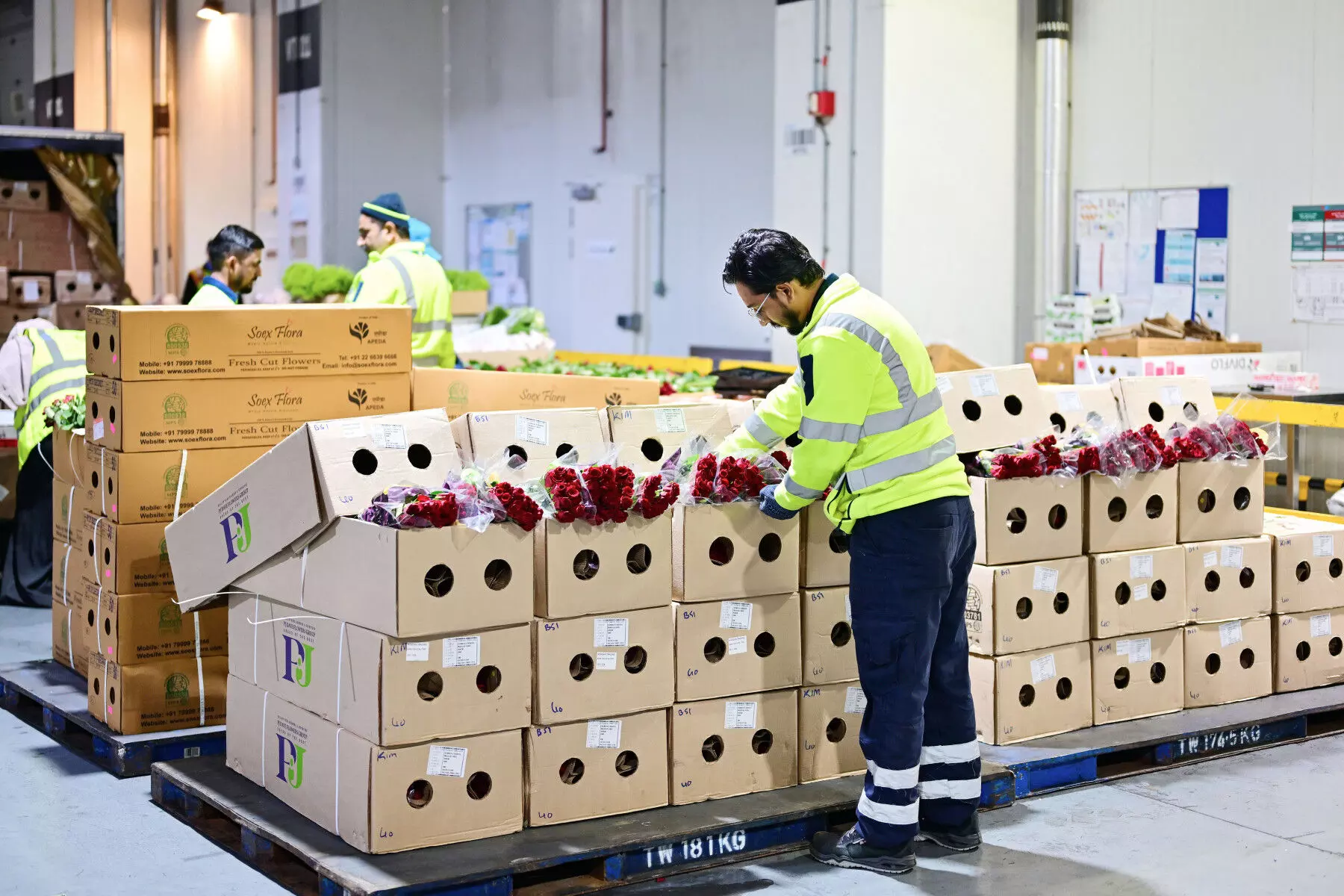
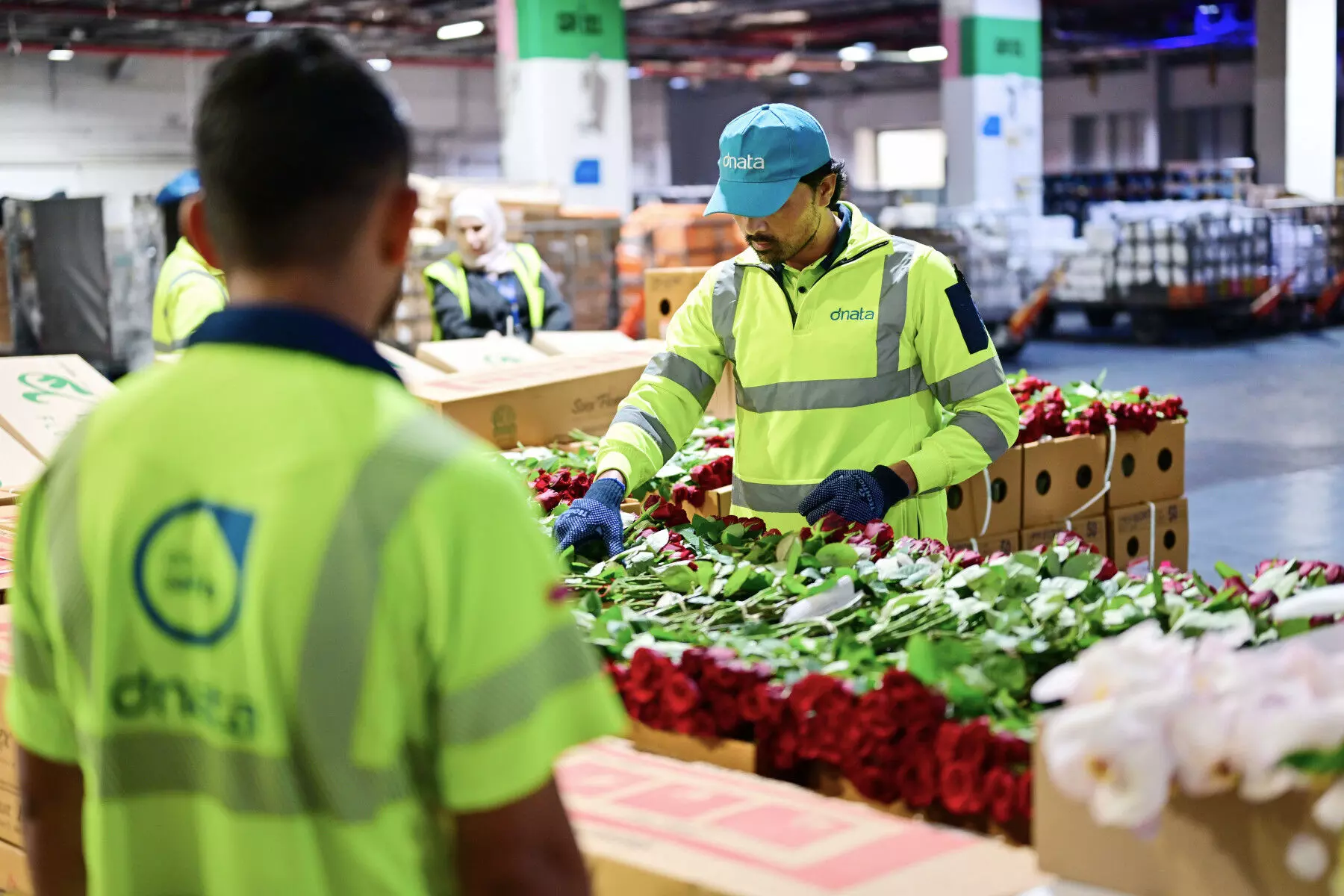
The Middle East has strengthened its position as a strategic transit corridor in the global flower trade. Ahead of Valentine’s Day 2026, dnata handled 227,530 kilograms of flowers in just five days at its dedicated facility at the Dubai Flower Centre.
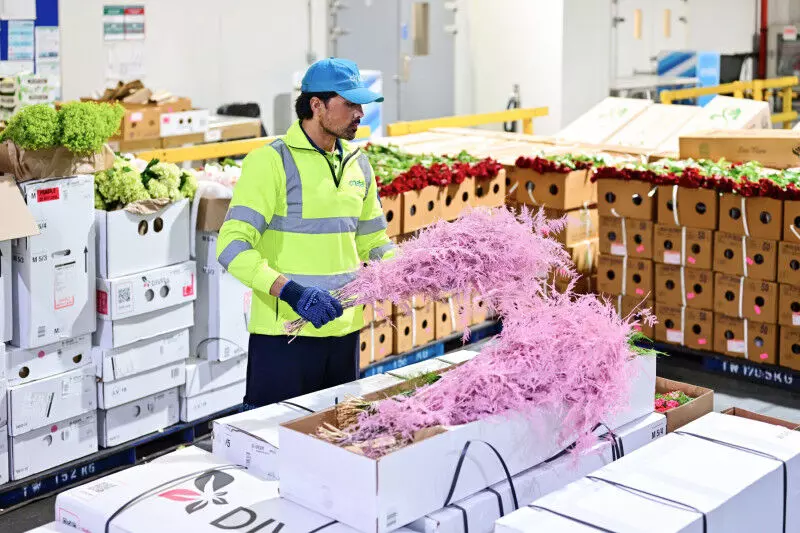
Between 7 and 11 February, dnata processed 274 shipments comprising more than 18,700 boxes of flowers. Operations peaked on 10 February, when nearly 60 tonnes were handled in a single day, more than double normal daily volumes. Shipments originated from Colombia, Ecuador, Ethiopia, Kenya and the Netherlands, with red roses accounting for the largest share of demand. The facility’s 3,500-square-metre temperature-controlled infrastructure and round-the-clock workforce ensured that time-sensitive cargo moved swiftly through the hub.
Time, temperature and precision
The operational challenge behind Valentine’s flower logistics lies in perishability. Flowers must be harvested, pre-cooled and loaded onto aircraft within hours. Temperature stability must be maintained at every stage, from farm to aircraft, from aircraft to warehouse, and onward to final distribution.
Even proximity to certain fruits can shorten shelf life due to ethylene gas emissions. Small delays can translate into reduced market value. This makes speed and coordination across airlines, handlers and forwarders critical during the February peak.
Sustainability enters the peak season
The 2026 season also highlighted a growing emphasis on emissions management within perishables logistics. LATAM Cargo Colombia, in partnership with Kuehne+Nagel and The Elite Flower, allocated more than 130,800 litres of Sustainable Aviation Fuel during the Valentine’s export window.
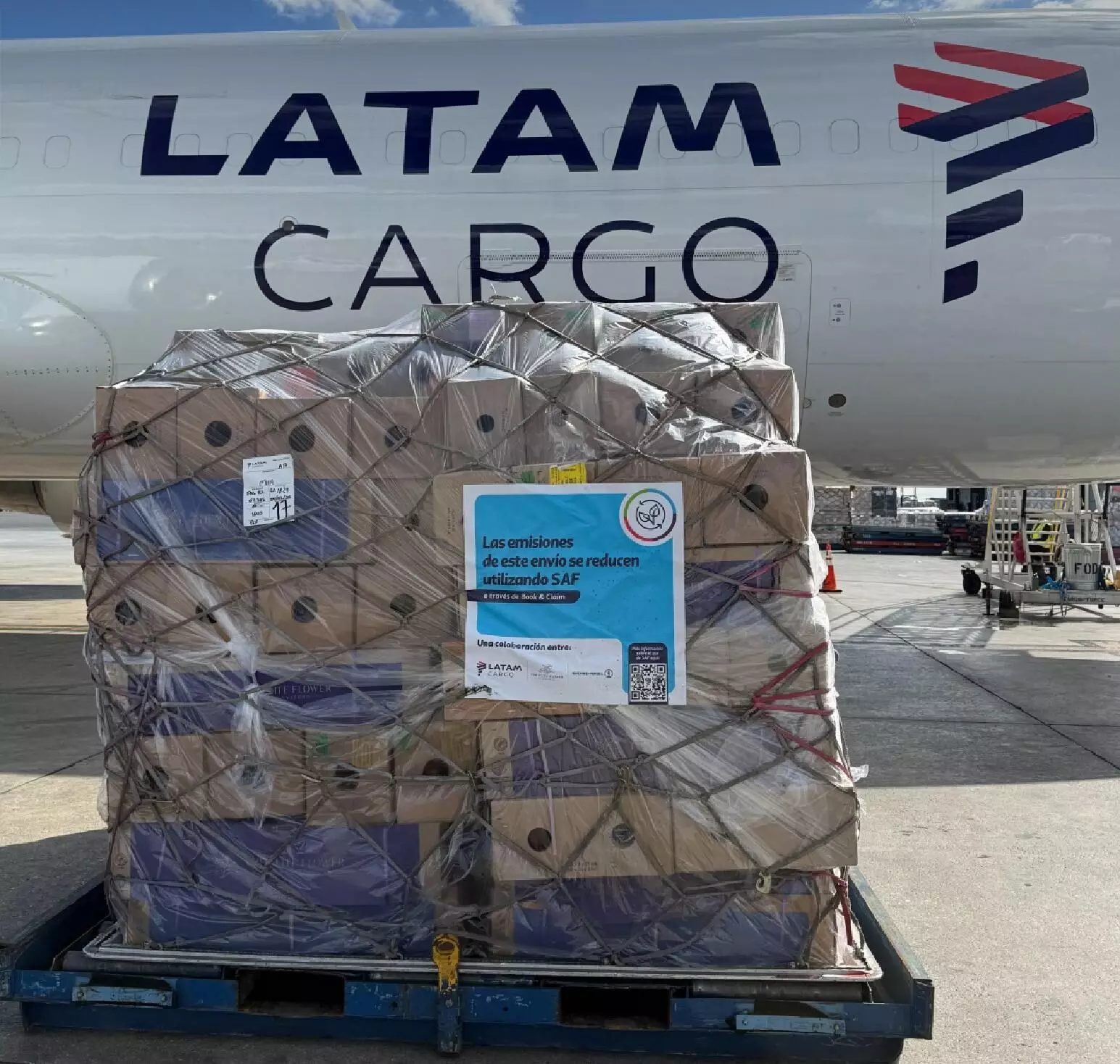
The SAF used offered an estimated 75% lifecycle emissions reduction compared to conventional jet fuel, resulting in an estimated reduction of nearly 300 metric tonnes of CO₂e. This was equivalent to avoiding the emissions associated with eight B767 freighter flights operating between Bogotá and Miami. The environmental benefit was linked to the transport of more than 10 million stems, demonstrating how sustainability initiatives are beginning to integrate into even the most time-sensitive air cargo operations.
A compressed global operation
Valentine’s Day has become one of the most concentrated air cargo movements of the year. In a matter of weeks, tens of thousands of tonnes of flowers move from farms in Ecuador, Colombia and Kenya to hubs in Miami, Amsterdam and Dubai. Dedicated freighters are scheduled months in advance. Cold chain infrastructure operates at maximum capacity. Workforce levels increase. Flight frequencies rise.
For the air cargo industry, February is not simply another month. It is a test of capacity planning, coordination and precision handling under strict time constraints.
When the flowers arrive in stores and homes, the logistics chain behind them is no longer visible. But for airlines, handlers and freight partners across continents, Valentine’s Day represents one of the most complex and carefully executed perishables operations on the global air cargo calendar.