
Maastricht Aachen Airport cargo volumes jump 40% in 2025
The rebound in cargo volumes follows a period of lower throughput after a EUR 35 million runway renovation in 2023.
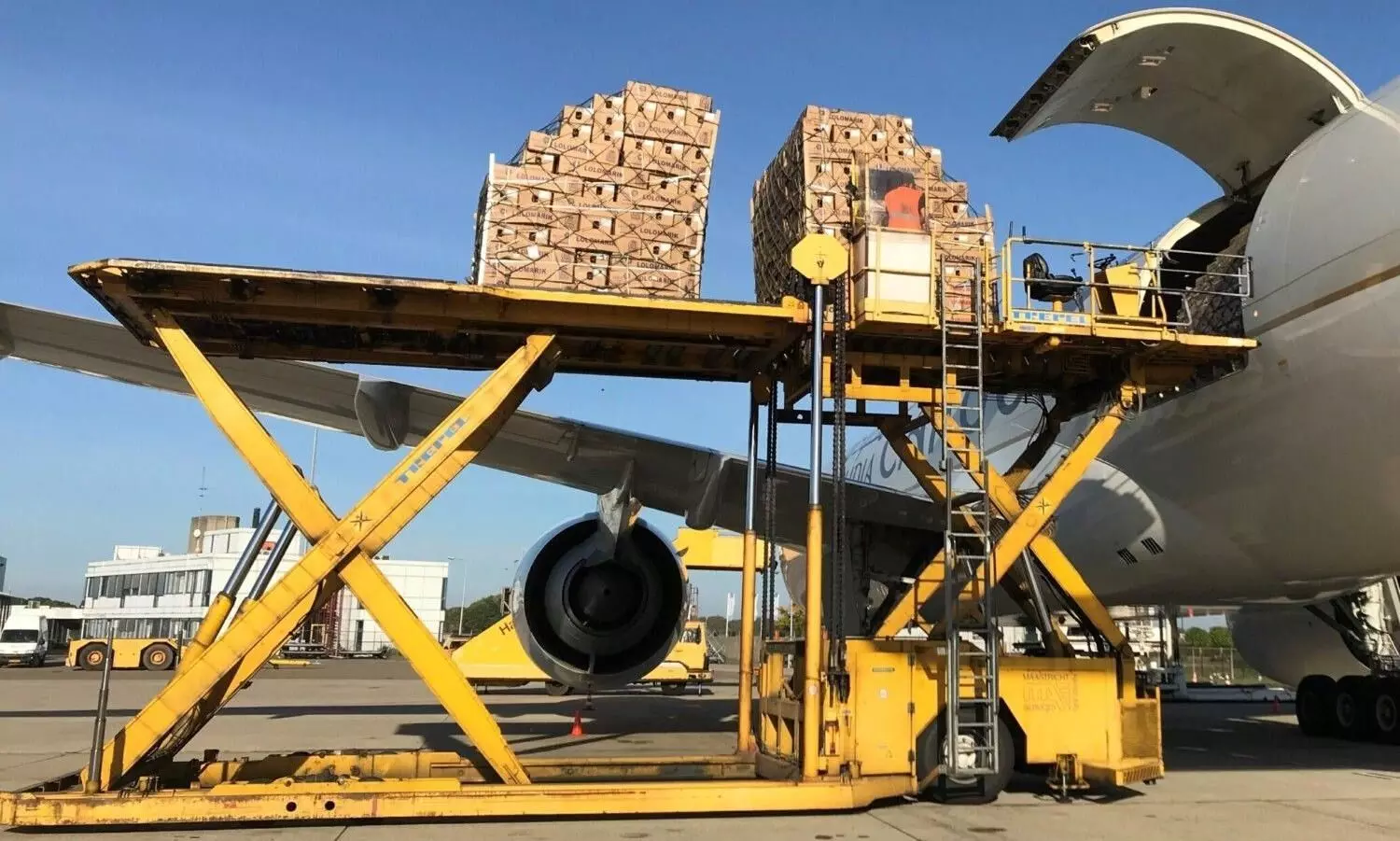
Maastricht Aachen Airport has reported a sharp rise in air freight volumes in 2025, underlining a strategic shift towards cargo operations at the Dutch hub. The airport handled 41,636 tonnes of cargo during the year, up from 28,448 tonnes in 2024, marking a 40 per cent year-on-year increase.
The annual results released on January 14, 2026, show that cargo activity accounted for a large share of airport movements. Of the 7,549 aircraft movements recorded in 2025, 1,737 were cargo flights, compared with 994 passenger flights. Passenger traffic stood at 159,270 for the year.
The rebound in cargo volumes follows a period of lower throughput after a EUR 35 million runway renovation in 2023, which had affected freight activity. The recovery gathered pace through 2025 as the airport restored capacity and prioritised cargo handling.
“The strong growth in cargo volume last year is down to MST’s continued investment in cargo handling facilities at the airport, particularly in the second half of 2025,” said Dean Boljuncic, Head of Commercial Development, Maastricht Aachen Airport.
“We have invested in optimising our handling processes and improving our facilities in the past 12 months, including by redeveloping MST’s AnimalPort and partnering with FlowerWatch to modernise perishable cargo operations.”
At the end of 2024, the airport outlined a strategy centred on air freight expansion, positioning itself as a regional cargo hub. The plan sets a target of handling 200,000 tonnes of cargo annually by 2030. As part of this approach, the airport appointed its first cargo sales executive in 2025 to strengthen commercial engagement with freight operators.
While cargo volumes rose, passenger numbers declined compared with 2024 following the departure of two airlines. The airport expects passenger traffic to recover in 2026 as Wizz Air expands operations from late March, with several weekly flights planned to destinations in Eastern Europe, including Poland, Bosnia and Herzegovina, Romania, Moldova, and Montenegro.
“Both cargo and passengers are important for MST; however, we expect to see higher and faster returns from our cargo operations, and our strategic focus in this area is clearly paying off,” said Boljuncic.
Looking ahead, Maastricht Aachen Airport has applied for a new airport licence that includes a proposed runway extension to 2,750 metres. If approved, the longer operational runway would allow cargo aircraft to depart with heavier payloads and serve longer haul routes, supporting the airport’s freight growth ambitions.