
Lödige Industries launches Cargo Direct for terminal orchestration hub
Cargo Direct reduces unnecessary cargo movements by aligning handling activities with shipment priorities.
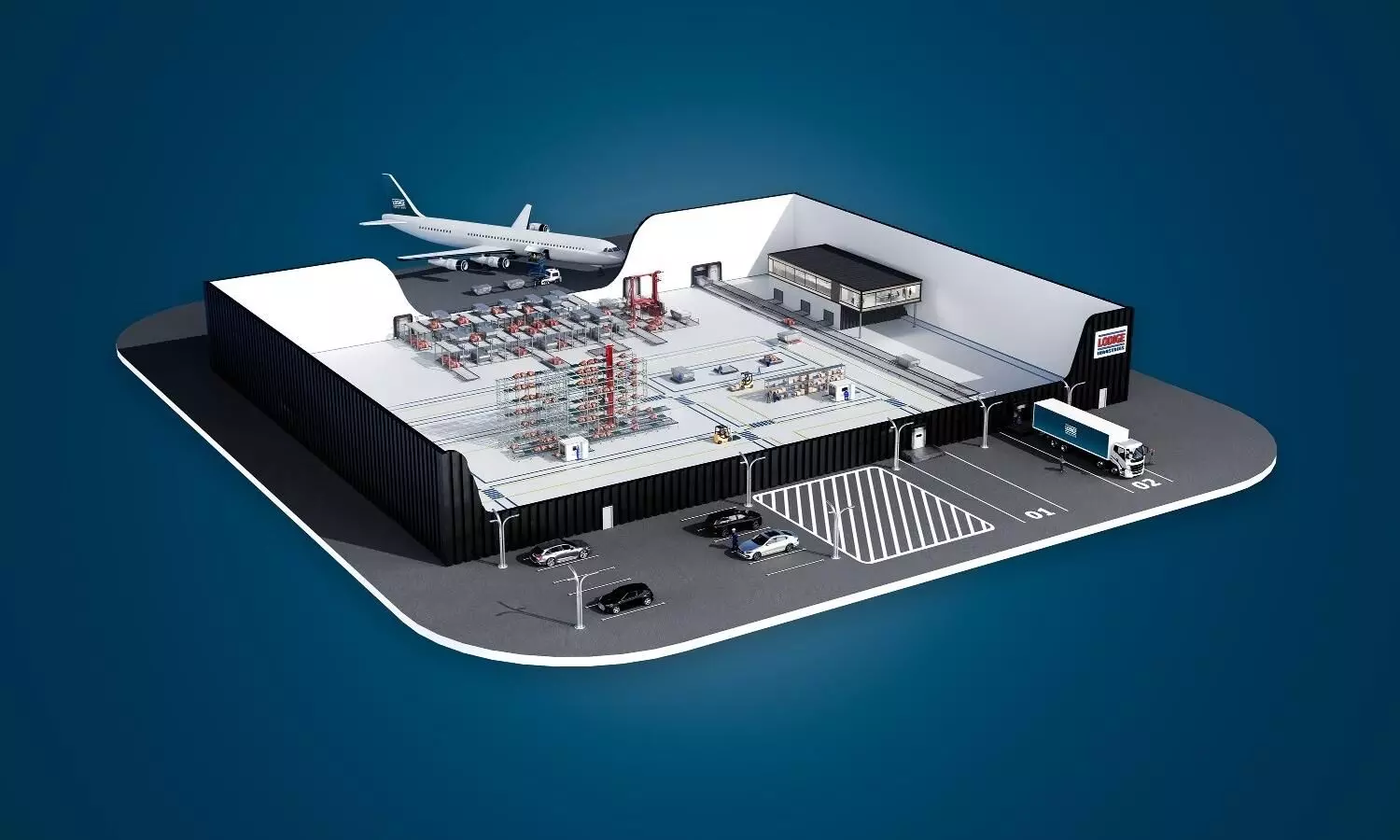
Air cargo terminals are facing pressure from rising cargo volumes, labour shortages and complex handling processes as airlines concentrate operations through fewer hubs. These hubs are expected to maintain stable operational performance despite changes in demand patterns. As this shift takes shape, terminals are moving from local handling facilities to connected nodes within airline and freight forwarder networks.
In response to this change, Lödige Industries has introduced Cargo Direct, a software module designed to link air waybill (AWB) data with terminal resources in real time. The system aims to optimise workflows and capacity use by synchronising shipment data with equipment, infrastructure and personnel across the terminal.
Cargo Direct reduces unnecessary cargo movements by aligning handling activities with shipment priorities. The system coordinates the use of available resources and helps terminals increase throughput during peak traffic periods. According to Lödige Industries, implementations show that streamlined process flows can shorten handling times and improve the use of equipment and infrastructure without the need for terminal expansion.
The software brings together shipment information, special handling codes, terminal layout data, equipment availability and labour resources into a single activity plan that is updated continuously. Instead of only recording operational inputs, the system identifies and instructs the next process step for each cargo unit within the terminal.
Large automated terminals have often faced challenges in maintaining operational transparency and responsiveness. Lödige Industries says that system-guided process automation can address this gap by introducing structured decision-making processes. The company states that the approach allows large hubs to achieve levels of visibility and control typically associated with smaller terminals while handling larger cargo volumes.
Each cargo unit, including ULDs, pallets or individual shipments, is identified through hand-held scanners connected via WLAN or 5G networks. Based on the scanned data, Cargo Direct assigns the next operational step, directing cargo to a storage position, inspection point, X-ray screening location or build-up workstation. The system follows a “scan-and-confirm” workflow for operators, while cases such as damaged cargo or partial shipments are handled within the system logic.
Storage and retrieval strategies are adjusted dynamically to reduce travel distances within the terminal and limit waiting time at workstations. On the landside, the system can assign doors and gates in advance based on shipment data, terminal layout constraints and operational priorities. Data inputs such as weight and volume captured through smart gates with 3D scanning can also be integrated to improve load build-up density and increase terminal capacity.
The process automation model aims to increase throughput per square metre of terminal space, per automated machine and per labour unit. According to the company, this approach converts operational scale from a source of complexity into a performance factor for terminals managing higher cargo volumes.
Despite the presence of automated equipment across many facilities, terminal operations often continue to depend on manual decision-making. Cargo Direct is designed to link equipment automation with process automation to reduce variation in operations and improve predictability at hub level.
"Digitalisation in air cargo must go beyond data visibility,” says Philippe De Backer, CEO of Lödige Industries. “The real opportunity lies in intelligent, real-time operational orchestration—where shipment data, equipment and resources are managed as one coordinated system. By closing the gap between equipment automation and true process automation, Cargo Direct helps terminals deliver consistent, repeatable operational throughput while supporting hub connectivity and schedule resilience.”
Cargo Direct is compatible with existing cargo management systems and integrates through standard interfaces using IATA messaging formats. Operational status and cargo location data are transmitted to the CMS in real time, creating a unified audit trail across the terminal. The system is offered through a subscription model based on the number of air waybills processed and is updated regularly to support future AI-assisted operational optimisation.