
Global air cargo rises 3% in late April as flower demand surges
Tonnages jump 9% YoY, led by Latin America flower exports, while capacity constraints and Middle East disruptions keep air freight rates elevated globally.
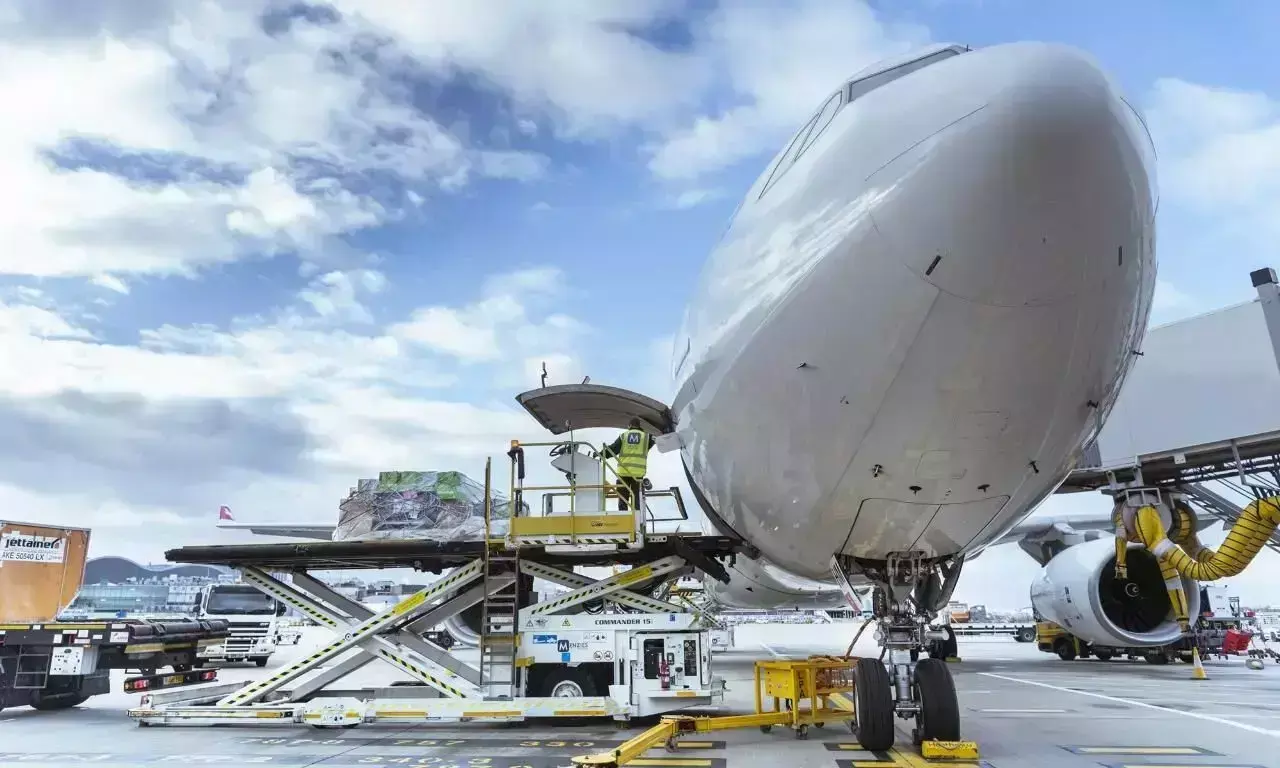
Global air cargo volumes and capacity rose by 3% in the week of April 20 to 26, 2026, supported by seasonal demand and upcoming holidays, while rates edged higher as markets continued to adjust to the situation in the Middle East.
According to WorldACD Market Data, global chargeable weight increased notably during week 17, with Central and South America recording a sharp 19% week-on-week rise. This growth was driven by flower exports from Colombia and Ecuador to the United States and Canada ahead of Mother’s Day on May 10. The increase matched the growth seen in the same week last year. Asia Pacific also recorded a 3% rise in volumes, supported by shipments ahead of Labour Day holidays across China and other countries.
Tonnages from the Middle East and South Asia region rose slightly by 1%, while volumes from Europe and Africa remained flat. North America recorded a 2% decline in origin volumes during the same period.
Overall, global tonnages were 9% higher compared to the same week last year. This included year-on-year growth of 8% from Asia Pacific, 20% from Europe, and 12% from Central and South America. However, volumes from the Middle East and South Asia fell by 3% year-on-year, while Africa recorded an 8% decline, reflecting ongoing capacity and operational challenges linked to the Middle East conflict.
On the capacity side, Central and South America saw an 8% week-on-week increase, driven by strong flower demand. Capacity also rose by 5% from Europe, 3% from the Middle East and South Asia, 2% from North America, and 1% from Asia Pacific.
Despite these weekly gains, global capacity remained 3% below levels seen in week 7, before the escalation of the conflict involving the US, Israel and Iran. Capacity from the Middle East and South Asia was down 26% compared to pre-conflict levels, with sharper declines in the Gulf region at 46% and the Levant at 20%.
Air cargo rates continued to increase due to limited capacity, higher jet fuel costs, and supply constraints. In week 17, global spot rates rose by 2% week-on-week to $3.76 per kilogram, while full-market rates increased by 1% to $3.19 per kilogram. Compared to last year, full-market rates were up 30%, while spot rates were around 45% higher.
Year-on-year spot rate increases were significant across regions, including 65% growth from the Middle East and South Asia, 60% from North America, 41% from Asia Pacific, 40% from Africa, and 32% from Europe. Central and South America recorded a more moderate increase of 12%.
Although spot rates from the Middle East and South Asia to Europe declined by 6% week-on-week, they remained 73% higher than last year due to ongoing disruptions. Rates from Bangladesh rose 55% year-on-year, while Dubai recorded increases of around 160%.
Spot rates from the Middle East and South Asia to the United States were also elevated, rising 64% compared to last year. India to US rates averaged $7.15 per kilogram, up 60%, while Dubai to US rates exceeded $9 per kilogram, increasing by more than 160% year-on-year.
Forwarders reported strong demand from China to the United States, driven by shipments of AI servers, e-commerce goods, ocean-to-air conversions, and general cargo. This continued to put pressure on capacity and kept rates high. While some easing was expected during China’s Labour Day holiday period, demand to Europe was stabilising, with rates likely to follow a similar trend.
However, forwarders noted that demand and capacity constraints across Asia Pacific are expected to persist, keeping pricing high and lead times extended. Rates have continued to rise, although at a slower pace than in the initial weeks following the start of the Middle East conflict. The ongoing closure of the Strait of Hormuz, rising fuel prices, and continued uncertainty are expected to sustain high spot rates and may lead to further increases in the coming weeks.