
Global air cargo demand stabilises in late January as rates edge up
Asia Pacific and Central America lift volumes in late January, while higher capacity keeps airfreight rates under pressure
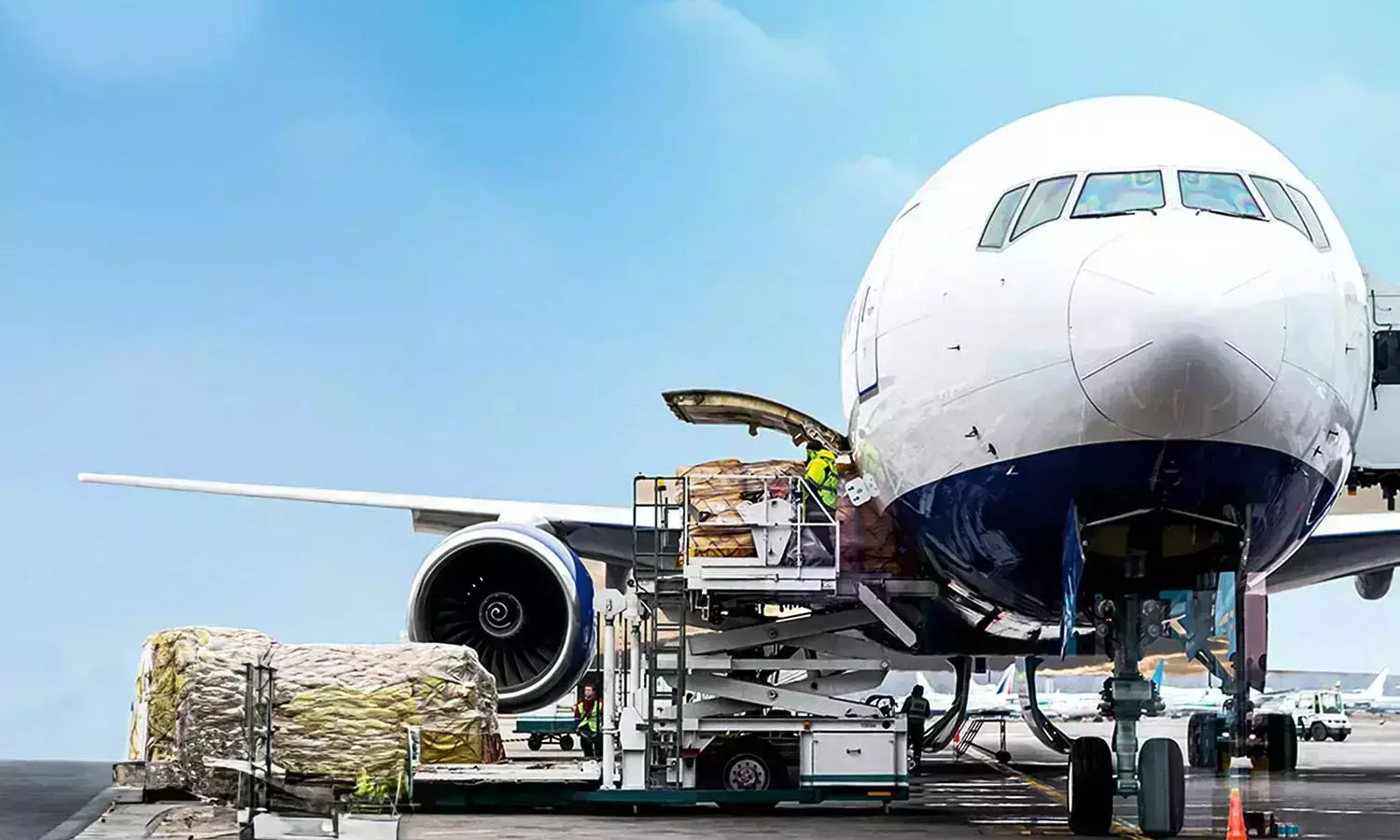
Global air cargo demand and rates broadly stabilised in the third full week of 2026, following a recovery from the year-end slump, ahead of an expected short-term demand uplift from Asia Pacific origins before the Lunar New Year period in mid-February, according to WorldACD Market Data’s Weekly Air Cargo Trends for week 4.
Worldwide chargeable weight rose by 1 per cent week on week during the period from 19 to 25 January, driven mainly by a 2 per cent increase in volumes from Asia Pacific and a 10 per cent rise from Central and South America. However, these gains were partly offset by a 9 per cent week-on-week fall in traffic from North America, where severe winter storms disrupted airport operations and led to thousands of flight cancellations across the US and Canada.
Weather-related disruptions resulted in sharp declines in cargo tonnages across several North American regions, including drops of 14 per cent from the US Midwest, 17 per cent from the US Northeast, 19 per cent from the US South and 15 per cent from western Canada, based on WorldACD’s dataset covering more than 500,000 weekly transactions.
Despite these disruptions, global air cargo volumes in week 4 remained 3 per cent higher year on year. However, this growth lagged behind a 6 per cent year-on-year increase in capacity, placing downward pressure on air freight rates, which were 1 per cent lower compared with the same period last year.
On a week-on-week basis, average global rates showed a gradual recovery, rising by 2 per cent to US$2.43 per kilo after bottoming out in week 2. WorldACD noted that the pace of the rate recovery was slower than last year, largely reflecting the increase in available capacity.
Traffic volumes from Asia Pacific to the US and Europe flattened in week 4 after two weeks of strong recovery, with no week-on-week growth recorded on either trade lane. Compared with last year, volumes to the US were marginally lower by 1 per cent, while shipments to Europe remained 7 per cent higher year on year.
Spot rates from Asia Pacific edged up slightly on a week-on-week basis, rising by 2 per cent to the US and by 3 per cent to Europe. However, rates on both routes were 9 per cent lower compared with the same period last year. The strongest week-on-week increases were recorded from China, where spot rates rose by 6 per cent to the US to US$4.02 per kilo and by 7 per cent to Europe to US$3.80 per kilo.
WorldACD said demand from southern China has begun to pick up ahead of the pre-Lunar New Year period, while capacity has continued to tighten. In contrast, demand from northern China has so far shown limited signs of a seasonal peak.
The winter storms in North America also contributed to space constraints on certain Asia Pacific–US routes, adding upward pressure on rates from markets such as southern China, Vietnam and Taiwan. These constraints, combined with rising demand ahead of the Lunar New Year on 17 February, are expected to influence spot rate movements in the coming weeks.
The Middle East and South Asia region continued to record strong year-on-year growth in air cargo volumes in week 4, with total ex-MESA tonnages up by 10 per cent. Shipments from the region increased by 11 per cent to the US and by 7 per cent to Europe.
India, the largest origin market within the MESA region, recorded a 15 per cent year-on-year rise in cargo volumes to the US during week 4, continuing the growth trend seen in the final months of 2025 despite higher tariffs imposed by the US in the second half of last year.