

Flexport shifts air cargo strategy as de minimis rules reshape flows
Flexport is cutting aircraft exposure and betting on flexible capacity as de minimis changes disrupt cross-border e-commerce logistics.
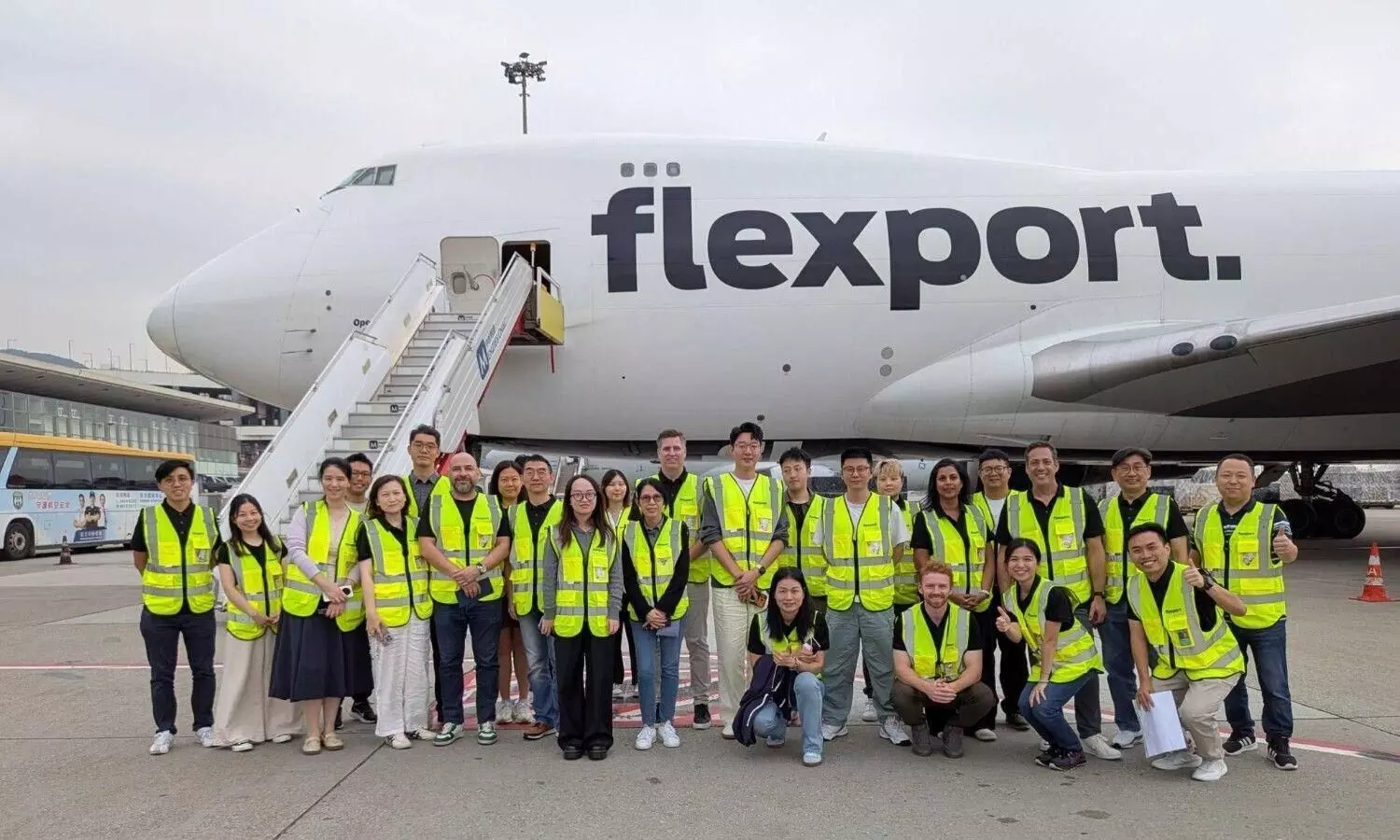
As cross-border e-commerce flows adjust to regulatory change, Flexport is repositioning its air cargo strategy around flexibility rather than asset ownership. The shift reflects a broader reassessment of how forwarders manage capacity in an increasingly volatile trade environment.
Speaking on the company’s evolving approach, Ryan Petersen said Flexport is moving away from direct exposure to aircraft ownership and long-term operating commitments. The company has reduced the number of aircraft tied to its network and is increasingly relying on contractual access to capacity. The goal is to remain nimble as demand patterns change, particularly in e-commerce-driven lanes.
The reassessment has been accelerated by changes to de minimis rules, especially on the China-to-US trade lane. Petersen explained that a large portion of Flexport’s earlier air cargo activity was linked to cross-border e-commerce shipments that benefitted from de minimis thresholds. As those rules tightened, the economics of dedicated air capacity shifted quickly. Flexport responded by scaling back its fleet exposure and repositioning remaining aircraft rather than exiting air cargo altogether.
Instead of owning a lift, Flexport now aims to secure smaller shares across multiple aircraft through flexible agreements. Petersen described the strategy as preferring partial exposure across many planes rather than full exposure to a limited fleet. This model allows the company to adapt faster if volumes fall or shift to new corridors.
While recalibrating its air strategy, Flexport continues to compete with legacy freight forwarders that operate extensive global office networks. Petersen acknowledged that traditional players maintain a clear advantage in local presence, with thousands of offices and deep human capital across major and secondary markets. Flexport’s response is a phased expansion plan designed to place its own teams on the ground in countries that account for 90 per cent of global containerised trade.
Technology remains central to that strategy. Petersen contrasted Flexport’s platform-driven model with legacy systems that rely heavily on manual processes. This difference has become more visible amid recent developments at WiseTech Global, which has begun passing higher software costs through CargoWise to customers.
Petersen suggested that this shift could potentially lead to customer churn during contract renewals. He pointed specifically to DSV following its acquisition of Schenker, estimating that around $750 million in annual revenue could be in play as customers reassess vendors.
As e-commerce rules tighten and cost pressures rise across the forwarding ecosystem, Flexport is betting that flexibility in air cargo and technology-led scale will prove more resilient than asset-heavy models.

Crafting compelling stories and in-depth reports on air cargo, logistics, aviation, and supply chain sectors. Leveraging expertise in journalism, psychology, and English to create engaging content for industry professionals. Find me @ nikitha@statpublishinggroup.com


