
FedEx faces $120 million hit from MD‑11 fleet grounding in Q3 FY26
After the FAA grounding in 2025, FedEx plans to resume MD-11 operations once the ban is lifted, while UPS fully retired the aircraft from its fleet.
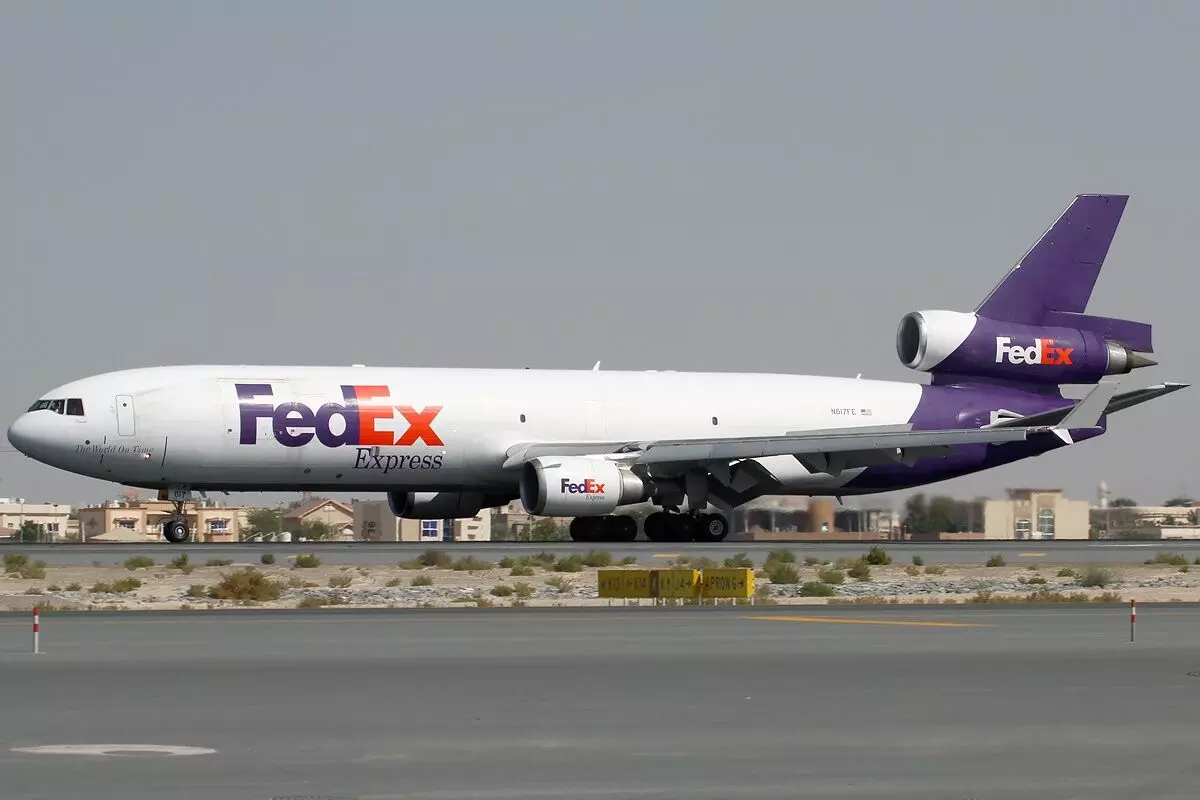
FedEx Corporation’s third quarter fiscal 2026 results were marked by strong revenue growth and profitability, but the company also faced a significant operational challenge: the grounding of its MD‑11 aircraft fleet.
According to CFO John Dietrich, Q3 was the first full quarter with the MD‑11 fleet out of service, creating a $120 million headwind in adjusted operating income. This impact stemmed from both higher operating costs and lost revenue as FedEx scrambled to reconfigure its network during the peak season. Dietrich praised the company’s pilots, network planning, and flight operations teams for their swift adjustments, noting that they “did an outstanding job adjusting the network under very difficult circumstances to mitigate the operational and financial impacts of the grounding.”
The grounding was not only a drag on Q3 results but is expected to continue affecting performance in the near term. FedEx anticipates an additional year-over-year headwind of up to $55 million in Q4 FY26, though management plans to begin returning the MD‑11 aircraft to service late in the quarter.
Despite this setback, FedEx delivered an 8% year-over-year revenue increase and 16% adjusted EPS growth in Q3, supported by strong execution in high-margin verticals, network efficiencies, and disciplined cost controls. The company raised its full-year adjusted EPS guidance to $19.30–$20.10, reflecting confidence in its ability to offset challenges through yield improvements, cost reductions, and strategic initiatives such as Network 2.0.
The MD‑11 grounding highlights the vulnerability of FedEx’s global air network to fleet disruptions, but the company’s ability to adapt quickly and maintain profitability underscores the resilience of its operations. As FedEx prepares to return the aircraft to service, investors will be watching closely to see how the company balances recovery from this headwind with its broader transformation and growth strategies.
In November 2025, a UPS MD‑11 cargo aircraft crashed shortly after take-off from Louisville, Kentucky. Investigators determined that one of the engines detached during the climb, pointing to a possible structural failure in the engine pylon attachment system. The incident raised immediate concerns about the integrity of the MD‑11 fleet, which is widely used by major cargo operators including FedEx and UPS.
The Federal Aviation Administration (FAA) responded swiftly, issuing an Emergency Airworthiness Directive on November 8, 2025. This directive grounded all MD‑11 and MD‑11F aircraft globally, prohibiting further flights until detailed inspections of the pylons and attachment structures could be completed. Boeing also recommended halting operations, underscoring the seriousness of the issue.
FedEx complied immediately, grounding its fleet. The express giant operates one of the world’s largest MD‑11 freighter fleets, with around 50 aircraft in service before the November 2025 grounding. The company faced significant operational challenges, particularly during the peak holiday shipping season, as the MD‑11 is a workhorse for long-haul international cargo routes.
The MD‑11 grounding highlights the vulnerability of global logistics networks to fleet-wide safety issues. For FedEx, the incident underscored the importance of fleet diversification, network flexibility, and rapid operational adjustments. While costly in the short term, the company’s ability to adapt its network mitigated what could have been a far more disruptive event.
A Reuters report in January quoted a FedEx statement indicating that the company plans to resume flying the MD-11 fleet by May 31. "We continue to work with Boeing and the FAA to address any required inspection and maintenance that may be needed to return our MD-11 aircraft safely to service," FedEx was quoted in the Reuters report referring to the FAA.
Meanwhile, UPS, FedEx’s chief competitor and another parcel giant, operated 27 MD‑11 freighters at the time of the FAA grounding in late 2025, down from a historical peak of 43. In response to the safety directive, UPS accelerated its plan to retire the MD‑11 fleet entirely. By early 2026, the company had fully phased out the aircraft, replacing their capacity with more modern Boeing 767‑300Fs and 747‑8Fs. The move marked the end of more than three decades of MD‑11 operations at UPS, closing a significant chapter in cargo aviation history.
This episode serves as a reminder of the operational risks inherent in global logistics, even as FedEx continues to demonstrate strong execution and financial discipline.