
Dimerco: Asia-Pacific air cargo rises as shippers race against tariff deadline
E-commerce growth, tech launches, and US aluminium shortages fuel strong Transpacific air freight demand in November.
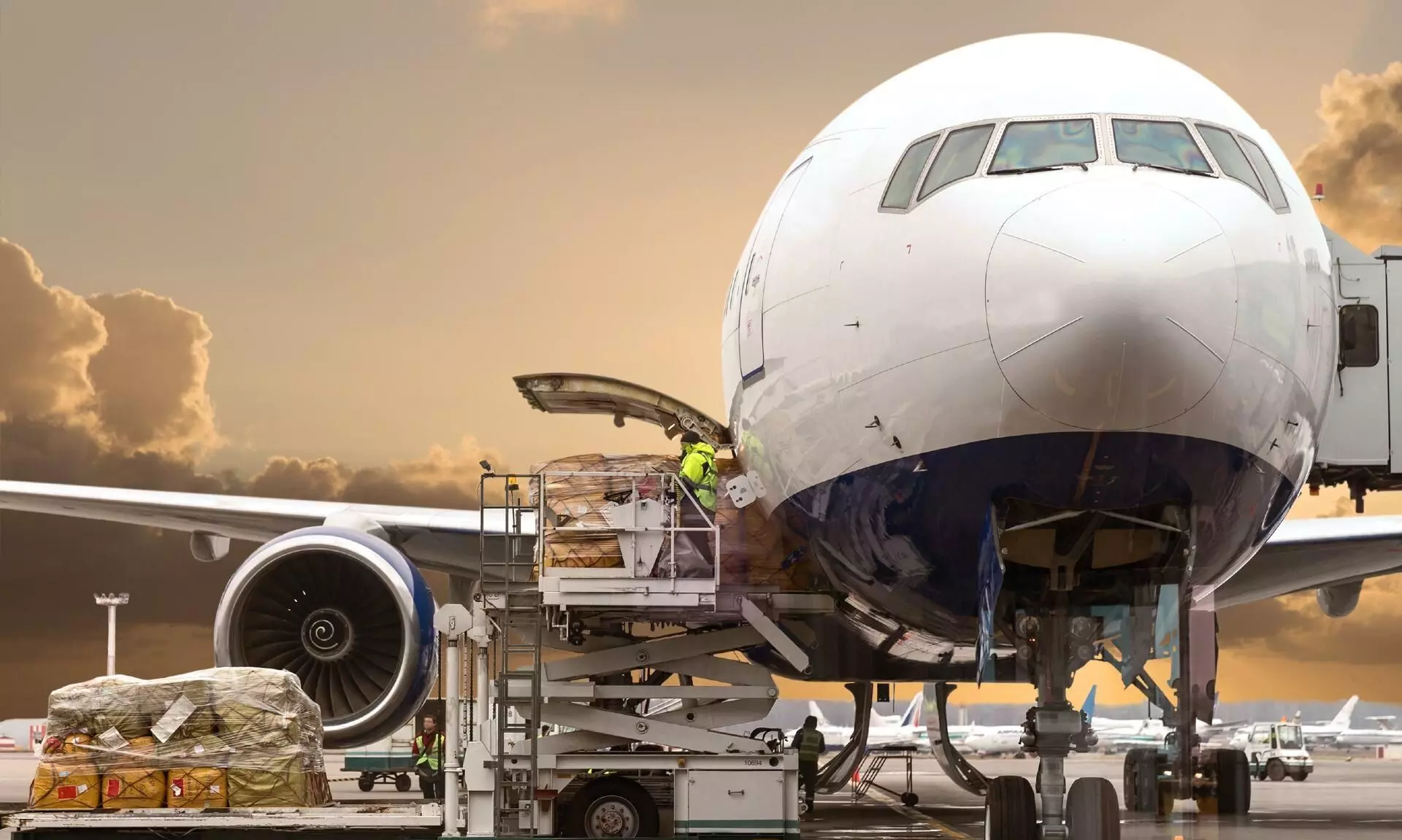
Air freight activity across the Asia Pacific region is intensifying in November, as exporters race against time to move shipments before the temporary pause on US–China tariffs ends on November 12. Dimerco’s latest Asia Pacific Freight Report reveals that a combination of high-tech product launches, booming e-commerce promotions ahead of Black Friday, and a shortage of aluminium coils in the United States is driving the surge in demand.
This period marks one of the busiest peaks in recent months for Transpacific trade lanes. Exporters are increasingly turning to air freight to avoid delays and uncertainty in ocean shipping, where blank sailings continue to disrupt schedules. The resulting shift from sea to air is putting additional pressure on capacity, particularly on routes from major Chinese and Hong Kong hubs to the US West Coast.
The report highlights that the rise in air freight is not limited to one sector or region. In China, a pause in tariff enforcement until mid-November has triggered a wave of pre-tariff shipping as companies rush to deliver goods before higher import duties return. E-commerce platforms have added to the pressure, with a surge in orders driven by seasonal online sales campaigns. The combination of both factors has pushed air freight rates higher and made capacity scarce across key Asian gateways.
Air freight market situation: Northeast Asia
In Northeast Asia, another layer of momentum comes from the technology sector. Exports of artificial intelligence products and high-end electronic components are on the rise, especially from China, South Korea, and Taiwan. These shipments are adding weight to an already strong market, as tech manufacturers release new consumer gadgets in the final quarter of the year.
Taiwan’s air freight market, according to Dimerco, remains firm as AI-related exports and pre-tariff stocking sustain demand. Rates from Taipei to the United States have held steady, but capacity to regional hubs such as Singapore, Penang, and Jakarta is tight, prompting forwarders to secure bookings well in advance. In South Korea, air cargo volumes are supported by semiconductors and e-commerce exports, with airlines maintaining full schedules despite high utilisation.
The surge is also visible further south. Across Southeast Asia and India, Dimerco notes fluctuations in both rates and available space, largely driven by the dual effect of festive season exports and rising fuel costs. In Singapore and Thailand, shippers are grappling with extended transit times due to flight cancellations and aircraft maintenance. Vietnam, a key manufacturing base for electronics and textiles, continues to face tight capacity and longer waiting periods for uplift.
India’s air cargo market is responding similarly, buoyed by festive exports and renewed industrial output. Airlines are adding capacity to key routes, including new direct India–China flights, which are expected to ease pressure and shorten transit times. The additional connectivity reflects India’s growing role in regional trade as production bases diversify beyond China.
Australia, meanwhile, shows a steadier picture. Freight from Asia remains generally stable, yet port congestion, equipment shortages, and seasonal demand are beginning to restrict availability. Shippers are being encouraged to plan shipments early, particularly for high-value or time-sensitive goods, as the year-end holiday rush gathers pace.
Kathy Liu, Vice President of Global Sales and Marketing at Dimerco Express Group, says that the ongoing peak season, the shortage of aluminium coils in the US, and the continued demand for high-tech products are expected to keep export volumes elevated until mid-November. She adds that both ocean freight capacity and the outcome of tariff discussions between China and the United States will play a decisive role in shaping the air freight market towards the close of the year.
The coming weeks, therefore, represent a delicate balance for global supply chains. As manufacturers and retailers work to keep pace with consumer demand and shifting tariff timelines, Asia Pacific’s air freight network remains at the centre of a race against policy deadlines, production cycles, and festive logistics pressures.