
Behind the scenes of Christmas cargo: Air freight, perishables & planning
From fresh produce to gifts, Christmas shipments rely on early planning and selective use of air cargo.
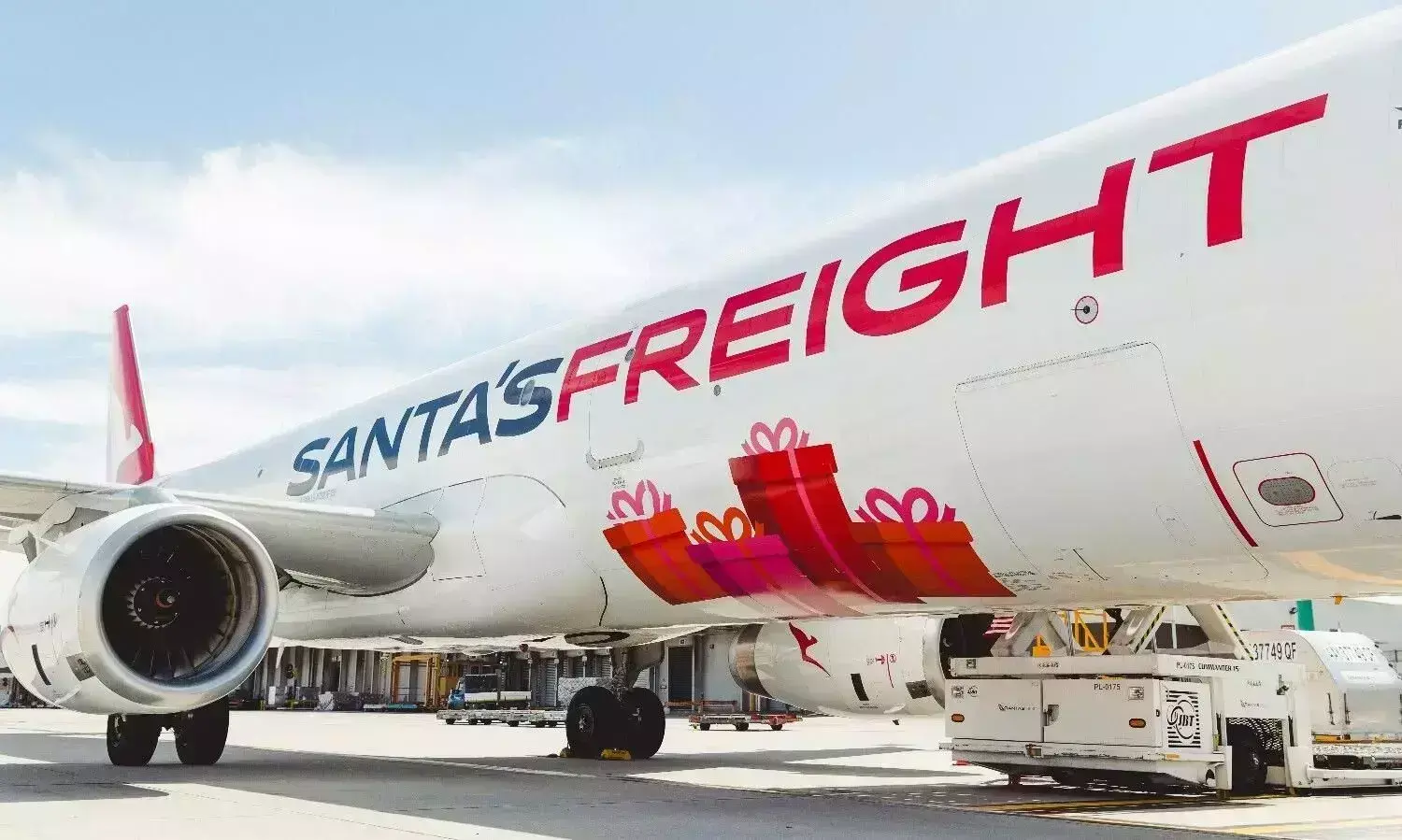
Christmas is often pictured as a period of last-minute shopping, urgent deliveries, and stressed supply chains. Many people assume that the logistics industry scrambles to move cargo at the last minute to meet the festive rush. However, for global logistics and air cargo operators, Christmas shipments are rarely about panic. Instead, they revolve around careful planning, strategic timing, and moving only what truly requires speed.
Industry executives explain that most Christmas-related cargo does not move during Christmas week itself. By the time the holiday arrives, the bulk of festive merchandise is already in stores across key markets, ensuring that consumers find shelves well-stocked for the season.
Christmas cargo moves before Christmas
Akbar Shaikh, Associate Vice-President at Galaxy Freight, explained that Christmas demand is largely planned months ahead. Most consumer goods, including decorations, clothing, and general merchandise, are shipped by ocean freight well before October.
“These goods need to be on shelves by November,” he said, highlighting that by December, these orders have already been executed and delivered. The logistics focus in December is therefore not on moving general merchandise, but on more time-sensitive cargo that cannot be transported earlier.
Supal Shah, CEO of Sarjak Containers, offered a complementary view, pointing out that Christmas itself is not a high shipping period in many western markets. “People in Europe and the US usually spend the Christmas holidays with family rather than shopping,” he said. As a result, festive shipments mostly occur in the weeks leading up to Christmas rather than during the holiday itself.
This combination of pre-planning and timing ensures that large volumes of Christmas merchandise can be shipped efficiently, mostly by sea, giving retailers ample time to stock stores and avoid any disruption during the holiday shutdowns.
Where air freight comes in
While sea freight carries most of the seasonal merchandise, air freight plays a critical but more selective role during the Christmas season. Shaikh noted that air cargo demand in December is mainly driven by three categories: e-commerce parcels, perishables, and urgent industrial shipments. This year, exports to the US were softer due to sanctions, but urgent air shipments of machinery, automotive parts, and pharmaceuticals still moved swiftly.
E-commerce shipments continue to be strong, particularly for gifts moving across global markets. “This is a global festival, so e-commerce couriers drive a lot of volumes,” Shaikh said, underlining the importance of air freight for items that require speed and reliability.
Perishables take centre stage
Among all Christmas-related air cargo, perishables are the clearest driver of demand. Kaushal Khakar, CEO of Kaybee Exports, said perishables account for approximately 70–80% of the company’s air export volumes during the Christmas season. These include high-value fresh fruits and vegetables such as pomegranates, okra, baby corn, and herbs, along with select food products destined for festive consumption.
Khakar explained that retailers stock shelves well before Christmas to avoid any disruption during the holidays. “Air freight is essential for these products because speed and freshness are critical. Short transit times reduce handling and help maintain quality, especially for premium international markets,” he said.
Christmas-related perishables usually peak between late November and mid-December. After Christmas, demand temporarily slows but picks up again as consumers focus on health and wellness, seeking fresh and nutritious products like pomegranates in the New Year.
The strongest international markets for these shipments include the UK, Europe, and the Middle East, where retailers and consumers expect high-quality, fresh produce throughout the festive period.
Regional differences in perishables
Shaikh highlighted that perishable exports from India to the US remain limited during this period, but demand is higher in the Middle East and parts of Europe with direct air connections. The shipments include flowers, poultry, fruits, and vegetables such as chillies, okra, and onions, which see increased movement during the Christmas season.
Capacity and rate pressures
Even with careful planning, December still presents operational challenges. Shaikh explained that the increase in passenger travel during the holiday season reduces available cargo space in passenger aircraft bellies. Meanwhile, freighter operations rely on load optimisation, and flights are sometimes cancelled if volumes are insufficient. This can create temporary space shortages and lead to higher air freight rates. Pricing varies by airline and reflects short-term demand and supply conditions.
Khakar added that the pre-Christmas rush puts pressure on aircraft capacity, as passenger baggage and e-commerce cargo peak simultaneously. Maintaining end-to-end temperature control for perishables is another critical challenge, as even minor deviations can affect product quality.
Managing time-critical shipments
Urgent shipments close to Christmas require careful coordination and extra resources. Shaikh said that time-critical cargo often comes at a higher cost because additional staff and special handling are required. Overseas partners usually plan staffing well in advance, keeping teams on standby to manage urgent movements. “Everybody knows if it’s an urgent shipment, then the service needs to be provided,” he said. Both overseas associates and Indian offices operate with skeleton staff during the holidays to ensure continuity
Sea freight still dominates festive goods
Despite the importance of air freight for certain shipments, sea freight continues to handle the bulk of festive cargo. Shah said seasonal exports such as grapes are currently moving in refrigerated containers by sea. While these products could technically be shipped by air, the cost is prohibitively high for most shippers.
He added that ocean freight still faces challenges such as port congestion, blank sailings, and slow steaming, which can affect schedule reliability. Many carriers reduce sailing speeds to save fuel, extending transit times. European ports, in particular, continue to experience congestion. Shah noted that while returning more vessels to the Suez route may improve schedule reliability, it could also increase congestion at ports due to the higher volume of arrivals.
Planning beyond Christmas
Shah emphasised that larger shipping challenges lie ahead, especially with China entering its peak season before the Chinese New Year. December and January are high-demand months for Chinese exports, and Indian importers reliant on China must plan well in advance.
He also warned that India could face space shortages before the end of March as companies push shipments to close their financial year. Any potential changes in India–US trade dynamics could further tighten capacity and increase rates. Long-term planning and advance rate agreements are therefore becoming increasingly important for shippers.
A planned peak, not a panic period
Together, insights from exporters, forwarders, and logistics providers show that Christmas is not about last-minute chaos in global cargo networks. Most festive goods are shipped well in advance, primarily by sea. Air freight plays a targeted but vital role, moving perishables, e-commerce parcels, and urgent industrial cargo where speed is essential.
For the logistics industry, Christmas is less about surprise demand and more about disciplined planning — a reminder that even the busiest season runs on predictability rather than panic.