
Asia-Pacific air freight stays strong into 2026 amid tight capacity
Dimerco says air cargo demand led by AI, tech and e-commerce remains firm in 2026 despite capacity and disruptions
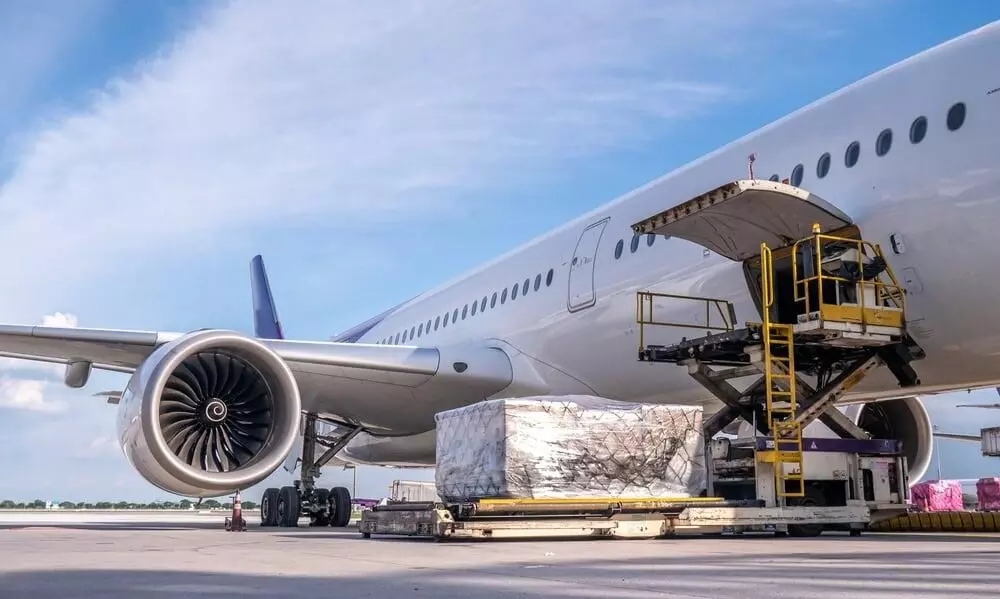
Air freight is set to remain a key driver of cargo movement across the Asia-Pacific region in 2026, with demand continuing to be led by high-technology, artificial intelligence and e-commerce shipments, according to Dimerco’s Asia Pacific Monthly Freight Report for January 2026. The report notes that air cargo flows from Asia-Pacific to North America and Europe continue to stay strong, even as capacity constraints and operational disruptions shape market conditions across regions.
Dimerco says airfreight demand remains resilient despite broader global manufacturing growth softening towards the end of 2025. While global manufacturing expansion slowed, air cargo demand in Asia-Pacific continued to benefit from technology-driven exports, particularly semiconductors, servers and high-performance computing equipment. These cargo types have kept export volumes elevated, especially on long-haul routes to the United States and Europe, and on key Intra-Asia lanes.
Northeast Asia airfreight tightens on AI and semiconductor demand
In Northeast Asia, airfreight conditions remain tight entering 2026. Dimerco highlights that strong demand linked to AI and semiconductor shipments continues to tighten available space and push rates higher on both US-bound and Intra-Asia routes. Taiwan stands out as a major contributor, with airfreight demand supported by AI-driven exports. The report notes that Taiwan’s shipments in November 2025 were up 56 percent year on year, with semiconductors, servers and high-performance computing cargo leading volumes. Capacity on indirect services from Taipei to the United States remains tight, pushing rates higher, while Intra-Asia lanes to destinations such as Penang, Singapore, India and Jakarta continue to remain strong.
South Korea is also seeing tightening airfreight conditions. Dimerco states that space to both the US and Asia is becoming more constrained as demand rises, driven by peak-season activity, major events such as CES, and increased shipments of semiconductor equipment and parts. Intra-Asia lanes from Incheon to Singapore, Penang, Kuala Lumpur and Taipei are tighter month on month due to higher volumes of equipment cargo, and shippers are advised to secure bookings at least one week in advance.
China airfreight demand builds ahead of Chinese New Year
Across China, airfreight market conditions vary by region, but demand is generally building ahead of the Chinese New Year in February 2026. In North China, high volumes to Taipei and Singapore are reinforcing a continued uptrend in rates due to capacity constraints, while US-bound demand is expected to remain firm through late January as exporters accelerate shipments before factory closures.
In East China, conditions for US- and Europe-bound shipments have eased compared with the previous month, although Dimerco notes that volatility is expected to emerge towards the end of January. South China has seen lower demand in early January after a large portion of scheduled shipments were completed in December, though a rebound may occur later in the month. Hong Kong continues to face tight capacity on routes to Singapore and Bangkok, while US-bound demand is surging, leading to higher rates and longer lead times.
Southeast Asia airfreight pressured by seasonal demand and e-commerce volumes
In Southeast Asia, airfreight demand remains under pressure due to seasonal factors and operational constraints. Dimerco reports that pre-Chinese New Year demand is tightening capacity across the region, with export backlogs, holiday disruptions and rising e-commerce volumes increasing booking pressure at key gateways.
Vietnam continues to face heavy airfreight backlogs during the quarter- and year-end period, with strong export demand extending into early 2026. Shippers are advised to book several days in advance to secure space. In Thailand, Intra-Asia airfreight remains stable with sufficient capacity, but lanes to the US and Canada are tight and rates remain elevated. Ongoing e-commerce backlogs are also causing terminal delays of between three and seven days.
Singapore is experiencing continued airfreight backlogs carried over from the December quarter-end, while post-holiday demand is expected to pick up as businesses resume operations. In the Philippines, export backlogs from December 2025 are expected to continue into January 2026, placing sustained pressure on space availability and rates at major carrier hubs. Indonesia is seeing some tightening of airfreight space between the Christmas period and Chinese New Year, with Dimerco advising shippers to avoid cargo arrivals during public holidays to minimise disruptions.
India and Australia see post-peak easing with weather-related risks
In India, airfreight activity is expected to slow after the peak season. Dimerco notes that fog in northern India, along with winter weather in Europe and the United States, may disrupt schedules, capacity and rates in January 2026. Post-peak adjustments could improve space availability on long-haul routes from major gateways such as Delhi, Mumbai, Chennai and Bengaluru, though shippers are advised to allow buffer time for weather-related delays.
In Australia, December remains a peak season for airfreight, with tight export capacity. Demand and rates may ease slightly in January after Christmas, ahead of the Chinese New Year, with advance booking recommended to secure space.
North America airfreight to rebound ahead of Lunar New Year
On the transpacific front, airfreight demand in North America is expected to soften briefly in early January following the holiday season, before rebounding from late January to early February ahead of Lunar New Year factory closures in Asia. Dimerco highlights that the compressed pre-Chinese New Year shipping window is likely to tighten capacity and push rates higher, with post-holiday backlogs potentially extending into early February and increasing congestion risks.
European airfreight faces strike-led disruptions
In Europe, airfreight operations continue to face disruption due to strikes across major airports, including in the UK, Spain, Italy and Portugal. Dimerco states that these labour actions are expected to lead to flight delays, cancellations and reduced capacity during the Christmas and New Year period, affecting air cargo reliability and space availability at key European hubs.
Capacity constraints to keep major Asia-Pacific hubs congested in 2026
Looking ahead, Dimerco remains cautiously optimistic about the airfreight market in 2026. While capacity growth remains constrained, particularly due to limited belly capacity on commercial flights and delayed aircraft deliveries, sustained demand from high-tech, AI and e-commerce sectors is expected to keep air cargo flows strong across Asia-Pacific trade lanes. As a result, major transit hubs such as Hong Kong, Taipei, Singapore, Incheon and Narita are expected to remain congested, with tight capacity continuing to shape airfreight market conditions in the months ahead.