
Air cargo’s furry passengers: Safety, growth and trends
Airlines are moving more pets by air, investing in care and standards, even as the industry still lacks clear global data.
Image: dnata
Pets are travelling by air more than ever before. Yet this activity still remains a quiet part of the air cargo industry. It is rarely tracked in the same way as pharmaceuticals, perishables or e-commerce.
According to the International Air Transport Association (IATA), more than four million pets travel by air each year across passenger and cargo flights. This shows the scale of global pet movement. However, there is no single, detailed global dataset that tracks how many pets are moved each year by cargo airlines alone or breaks the numbers down by carrier or region.
Even so, airline disclosures, market studies and industry data now offer a clearer picture. Together, they show that pet transport by air is growing and becoming more organised, even though reporting remains fragmented.
Airlines reveal real 2025 numbers
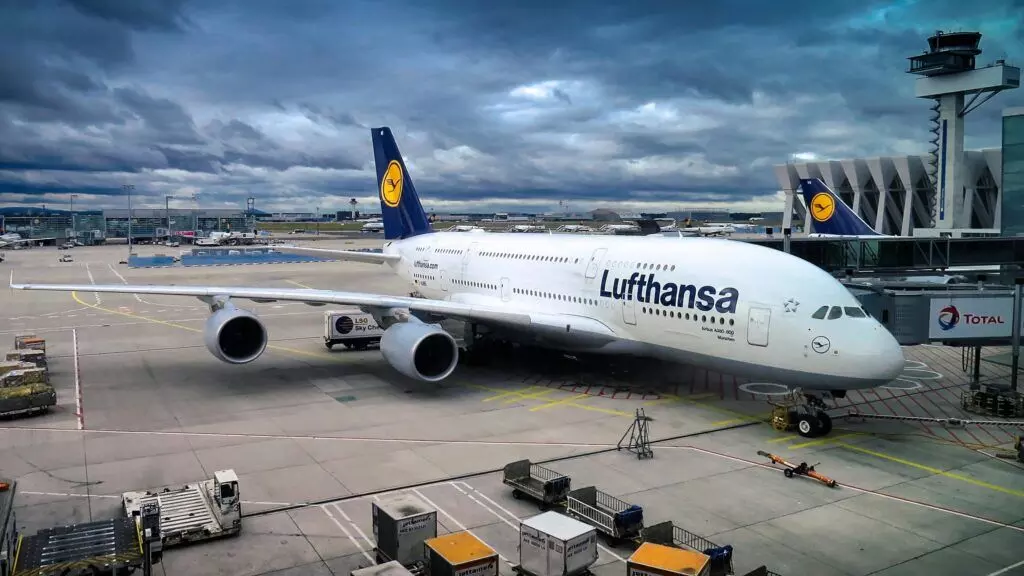
Some of the strongest insight comes directly from airlines. Emirates SkyCargo said it transported more than 14,600 pets in 2025 across its global network. This is equal to roughly 40 pets a day. Lufthansa Cargo, meanwhile, reported moving around 12,000 pets during the same year, as part of its wider live animal operations.
These figures do not represent global totals. However, they clearly show that pet transport is not a minor activity. For large cargo carriers, it is a regular and established part of daily operations.
Lifestyle changes are driving demand
The growth in pet air travel is closely linked to changing lifestyles. According to Grand View Research, the US pet travel services market is expanding as pet ownership rises and people move homes more frequently. This includes both domestic moves and international relocations. Many owners now choose professional pet travel services instead of managing the process themselves.
Transport services account for the largest share of this market. Air travel plays a key role, especially for long-distance and cross-border moves. Dogs currently make up the largest share of pet travel, though cat travel is expected to grow faster in the coming years.
The report also shows that pet travel is becoming more structured. Online bookings, veterinary support, paperwork handling and tracking are now common. This reflects a shift from informal pet movement to organised logistics services.
Pets fall under the live animals cargo category
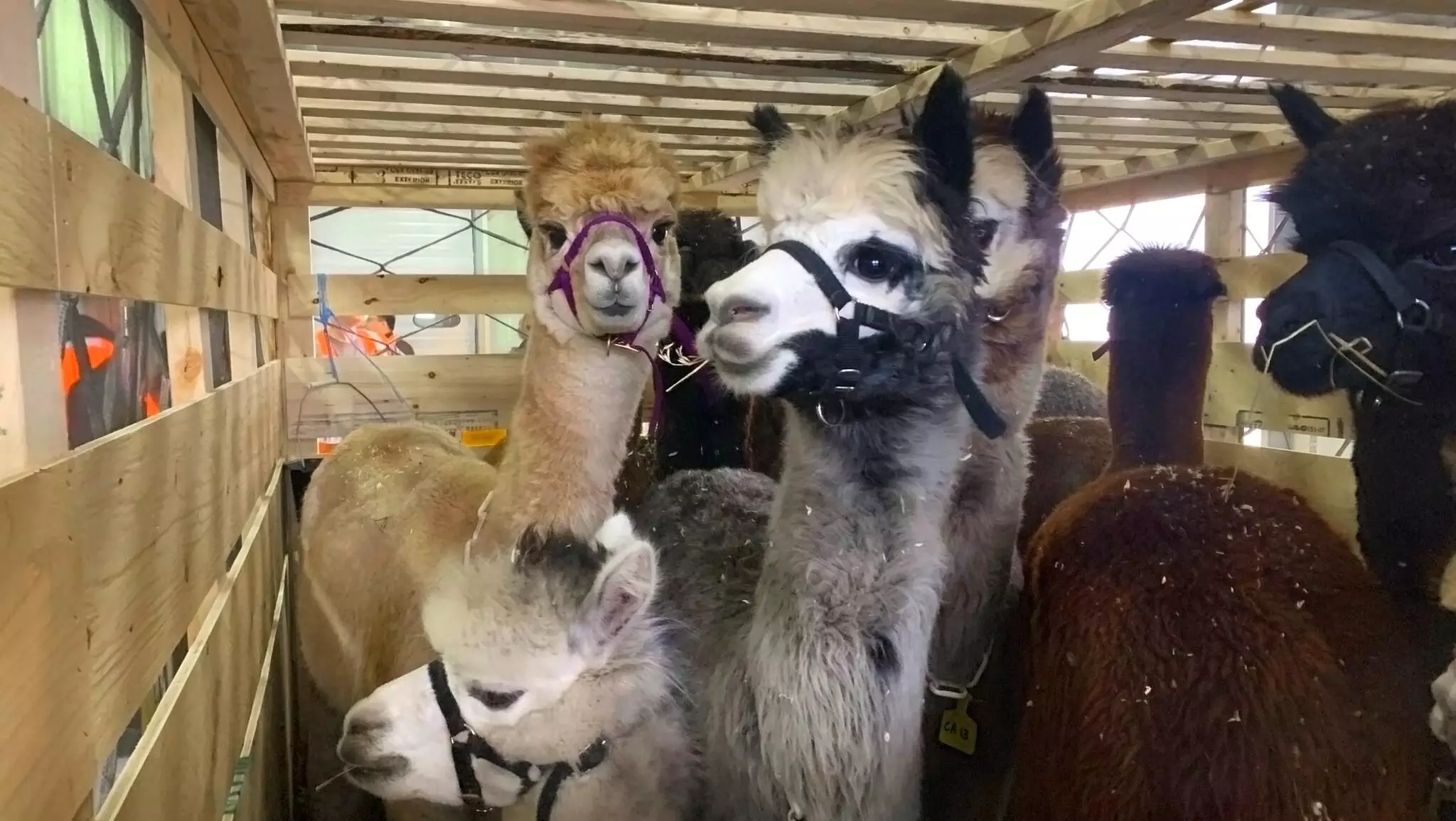
In air cargo, pets are handled under the wider “live animals” category. This category also includes horses, livestock and zoo animals.
IATA said global live animal shipments reached close to 200,000 consignments in 2024, higher than before the pandemic. While this figure does not separate pets from other animals, it confirms steady growth in animal transport by air. Live animals are sensitive cargo and must follow strict rules. IATA’s Live Animals Regulations set standards for containers, handling, training and animal welfare.
An industry article published with Cathay Cargo describes live animals as “high-trust cargo”. Unlike general freight, animals need trained staff, careful planning and constant monitoring. Airlines must also be prepared for delays and emergencies.
Airlines invest in special facilities and training
Major cargo carriers have made long-term investments in this segment. Emirates SkyCargo operates dedicated pet handling facilities and specialised lounges. Lufthansa Cargo has experience in transporting pets, horses, ornamental fish and zoo animals. Both airlines work under IATA rules and train staff specifically for animal handling.
These investments show that live animals, including pets, are treated very differently from standard cargo. Even though volumes are lower than other products, the level of care required is much higher.
Safety remains under close watch
Safety continues to be a key issue in pet air transport. Data compiled by Dogster and other pet industry sources shows that hundreds of thousands of animals travel by air each year, especially in the United States. Most arrive safely. However, historical records show that incidents do occur.
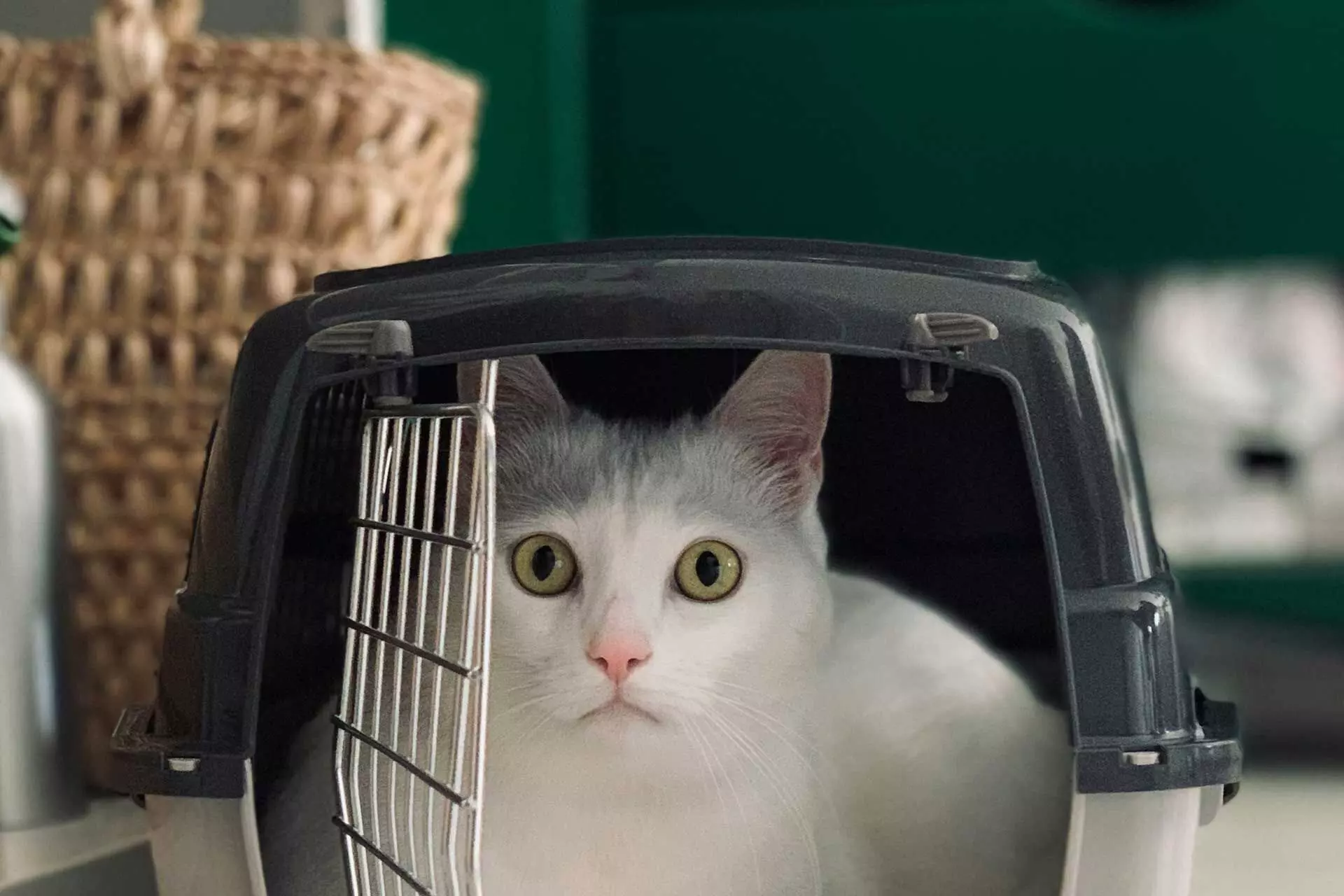
Speaking at TIACA 2025, Tushar Jani, Group Chairman of Cargo Service Center, shared a humorous story from the early days of air cargo and made an important point. Many years ago, before airports were privatised and long before mobile phones or tracking systems, a cat being shipped for an embassy family escaped from its cage at the cargo complex. The animal vanished, and despite a full search of the airport, it was never found. With no photos, no digital records, and mounting pressure to move the shipment, staff took a creative decision: another cat was placed in the cage, the paperwork was closed, and the cargo was delivered. Unsurprisingly, the family later realised it was not their cat, and the incident even found its way into a government file.
Jani recalled the episode as both funny and revealing. It showed how limited systems were at the time—and how far the industry has come. Today, such a mix-up would be impossible. Animals are photographed, feeding instructions are recorded in writing, and strict handling protocols ensure pets are tracked, cared for, and delivered safely. The runaway cat, he noted, is a reminder of how air cargo has moved from improvisation to precision over the past three decades.
Short-nosed dog breeds are more vulnerable during air travel. Poor preparation and incorrect sedation have also been linked to problems. These risks explain why some airlines restrict certain breeds or apply additional conditions.
As volumes rise, airlines face increasing public and regulatory attention. This has pushed carriers to strengthen rules, training and welfare standards.
The data gap still exists
One issue is common across all sources. Despite growing volumes, there is still no central, standardised system to track pet movements by air.
Pets may travel in the cabin, as excess baggage or as cargo. Many airlines report them only under the wider live animals category. This makes it difficult to build a clear global picture or compare carriers.
This is why the 2025 figures shared by Emirates SkyCargo and Lufthansa Cargo are important. They offer rare insight into real pet shipment volumes, even if they do not capture the full market.
A small segment with growing importance
Pet transport will never match the scale of general air cargo. However, it is becoming more important. Demand is rising. Airlines are investing in facilities and training. Rules are becoming stricter. At the same time, data remains limited and spread across different sources.
As more people travel and relocate with their pets, pressure will grow on the industry to improve transparency. For air cargo, pets may remain a niche product, but they clearly show how the industry balances growth with care and responsibility.